
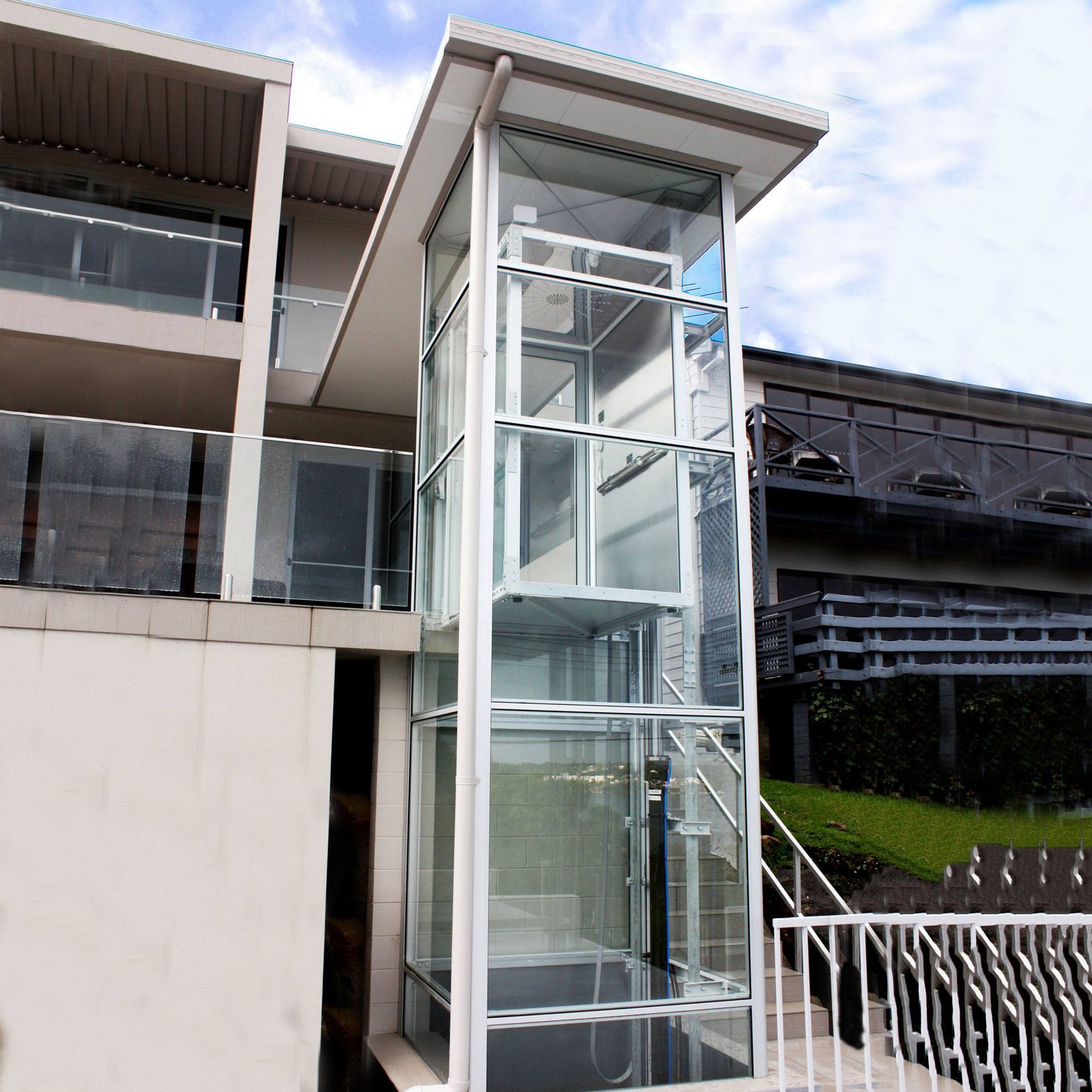
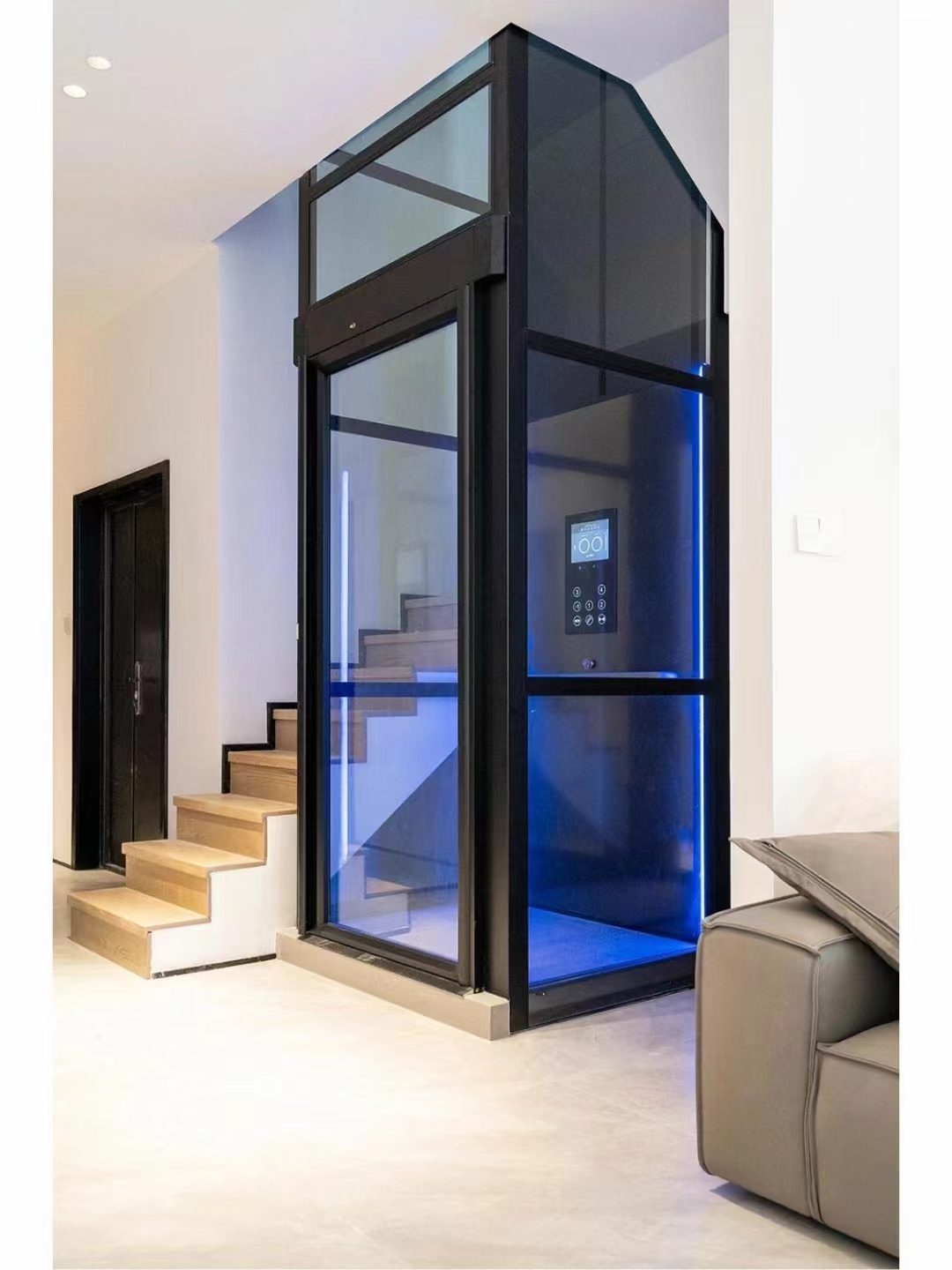
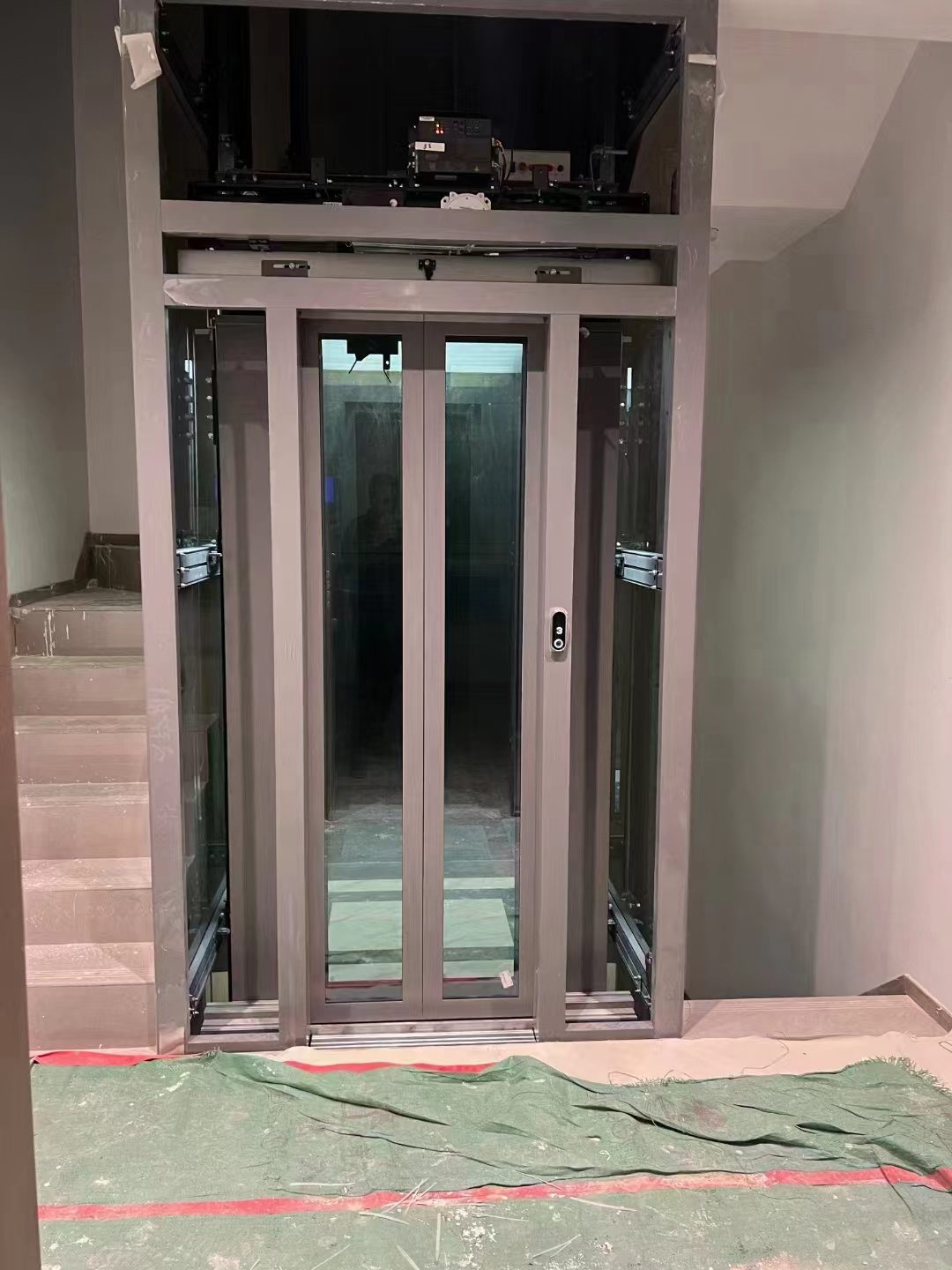
When a home elevator carries your family — children, grandparents, everyone — safety is not an option. It is the entire point. Modern home elevators are equipped with multiple layers of protection, from door systems to speed governors to emergency rescue features.
This guide explains the essential safety features every home elevator should have, what each one does, and how to verify they are working.
1. Door Safety: The First Line of Defense
Most elevator incidents happen at the doors. That’s why door systems have multiple, redundant safety layers.
Door interlocks
- What it does: The elevator cannot move unless every landing door and the car door are fully closed and locked
- Why it matters: It physically prevents the car from traveling with an open door — a fundamental safety requirement
Door sensors and safety edges
- What they do: Detect obstacles during closing and immediately reverse the doors
- Why they matter: Protect children, pets, and anyone entering at the last moment from being caught
Automatic doors (recommended)
- Automatic doors remove the need to manually close the gate, reducing the risk of improper closing — especially important for seniors and wheelchair users
2. Motion and Speed Safety: Keeping the Ride Under Control
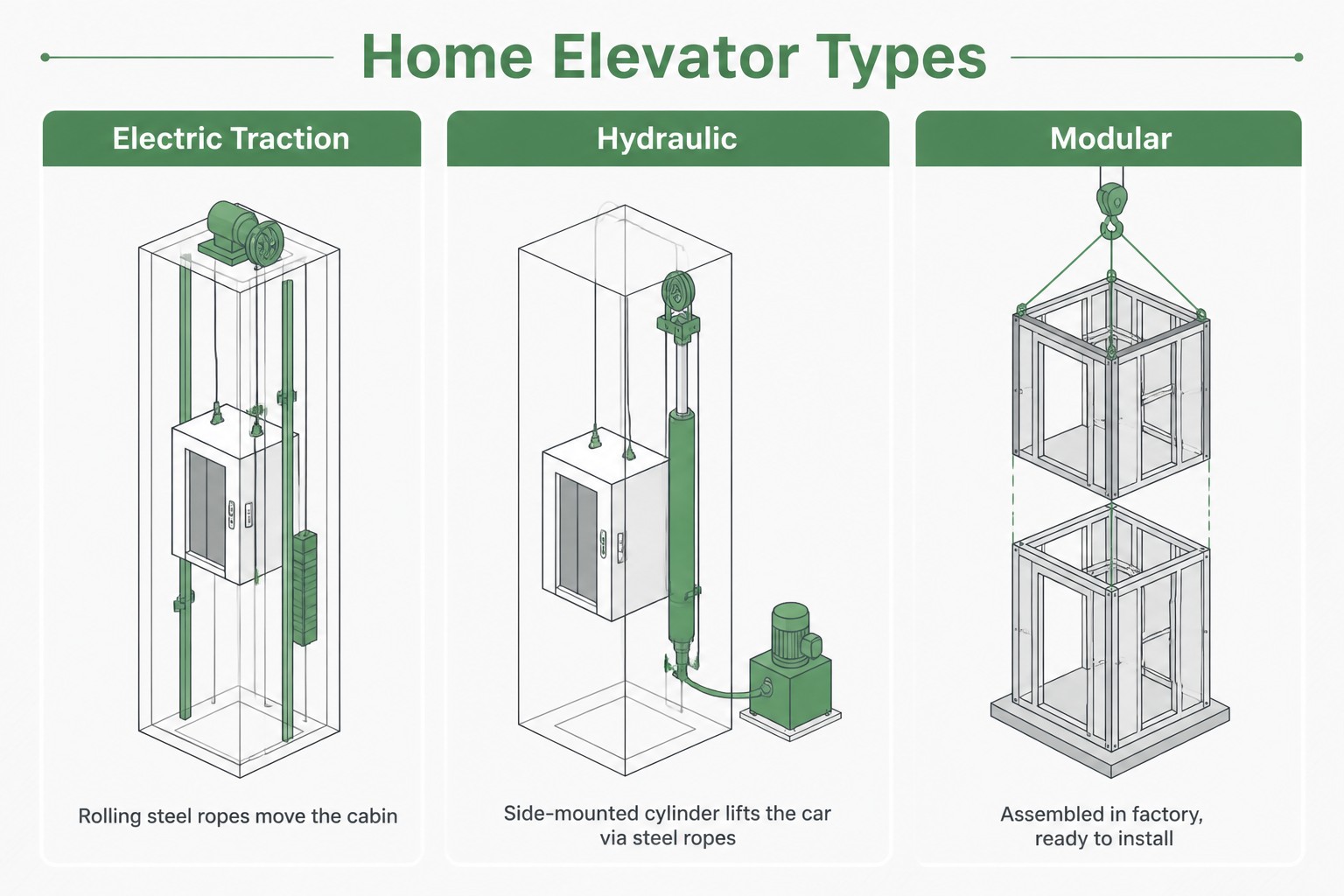
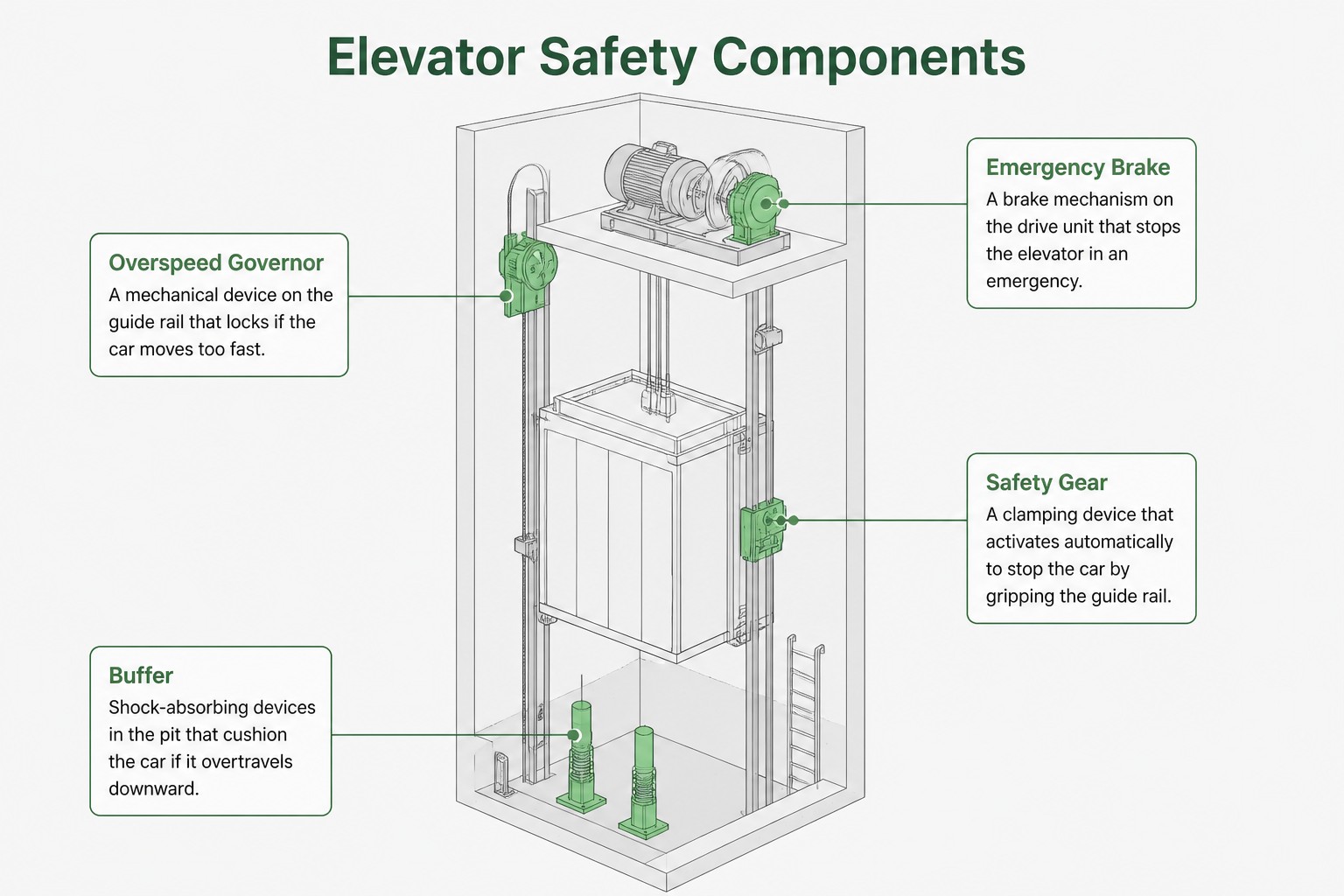
Overspeed governor and safety gear (traction elevators)
- What it does: If the car exceeds its rated speed, the governor locks and activates the safety gear, which grips the guide rails and brings the car to a controlled stop
- Why it matters: This is the ultimate failsafe — it works mechanically, without electricity
Anti-drop valve / check valve (hydraulic elevators)
- What it does: Locks oil in the cylinder so the car cannot sink or drop unexpectedly — even if a hose fails
- Why it matters: Provides a passive, always-on protection against uncontrolled descent
Buffer system
- What it does: Absorbs impact at the bottom of the shaft in the unlikely event of over-travel
- Why it matters: Adds a final physical cushion at the end of the travel path
Emergency braking
- What it does: The brake holds the car at every floor and engages automatically when power is lost
- Why it matters: A fail-safe brake means the car can never free-fall
3. Overload Protection: Never Exceed the Limit
- What it does: The elevator refuses to move when the load exceeds its rated capacity
- Why it matters: Prevents both equipment damage and unsafe operation; most home models are rated 250–400 kg (3–5 persons)
4. Emergency and Rescue Features
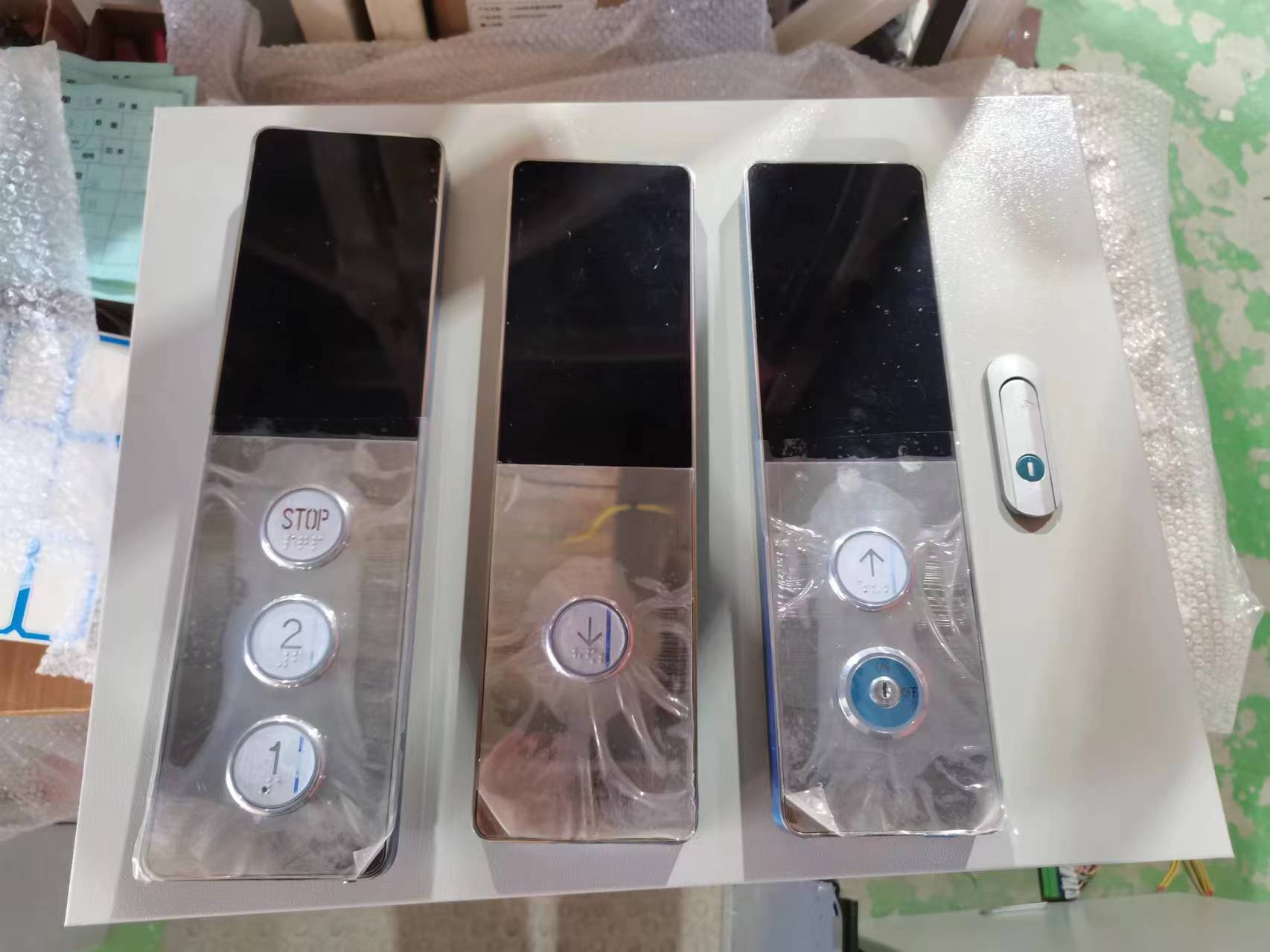
Emergency stop
- What it does: Immediately halts all movement when pressed from inside the car or at landings
- Why it matters: Gives passengers direct control in any situation
Emergency alarm and communication
- What it does: An in-car alarm button and two-way intercom/phone connect you to help
- Why it matters: In the rare event of entrapment, passengers are never alone
Emergency lighting and battery backup
- What it does: Keeps the cabin lit and the alarm powered during a power failure
- Why it matters: Prevents panic and darkness during outages
Manual emergency lowering (hydraulic)
- What it does: Allows the car to be lowered safely to the nearest floor during a power failure
- Why it matters: Enables rescue without specialized equipment
Automatic rescue / power failure mode (traction)
- What it does: Battery backup drives the car to the nearest floor and opens the doors when power fails
- Why it matters: Passengers exit safely without waiting for rescue
5. Control and Electrical Safety
- Key switch / call lock: Prevents unauthorized use — important when young children are in the house
- Electrical interlocks and short-circuit protection: Protects the control system and prevents fire risk
- Grounding and surge protection: Safeguards electronics from electrical faults and lightning
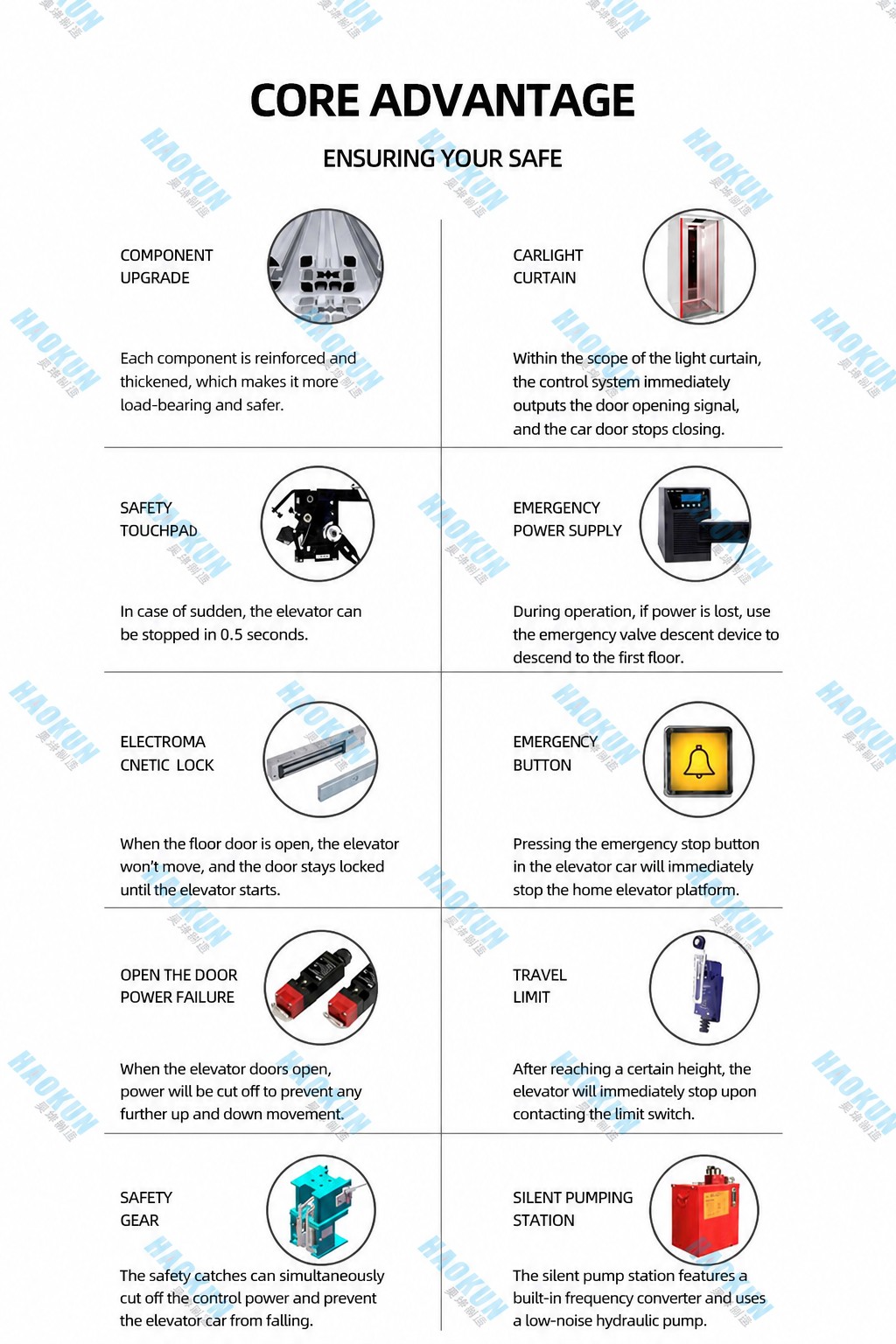
- Safety light curtain: Detects objects in the doorway without physical contact
6. What Safety Standards Should It Meet?
A certified elevator meets recognized safety standards. When buying, look for:
| Standard | Region / Meaning |
|---|---|
| EN 81-20 / EN 81-50 | European elevator safety standards |
| EN 81-41 | European standard specific to lifting platforms for persons |
| ASME A17.1 / CSA B44 | North American elevator safety code |
| CE marking | EU conformity — required for products entering the EEA |
| ISO 9001 | Quality management system behind consistent manufacturing |
How to verify: Ask for the certification numbers and check them on the issuing body’s website. Genuine certifications are traceable.
7. Family Safety: Rules That Make Everyone Safer
Even the best equipment depends on sensible use:
- Supervise children — never allow young children to use the elevator alone
- Teach the alarm button — explain that it is for emergencies only
- Keep pets supervised — doors and sensors protect pets, but supervision is best
- Don’t overload — respect the rated capacity
- Never block the doors — keep the doorway clear of objects
- Report anything unusual — noises, uneven stops, or hesitation mean a service visit
8. How to Verify Safety Features Are Working
- Monthly: test the alarm button and emergency communication
- Monthly: watch the doors close and reverse on a gentle obstacle
- Quarterly: check the car stops level with each floor
- Annually: professional inspection of governor, brake, check valve, and safety gear
- After any incident: have the safety systems inspected before reuse
HAOKUN’s Approach to Safety
Every HAOKUN elevator is built with safety as the foundation, not an add-on:
- High-strength T-shaped steel guide rails and national-standard metal components
- Hydraulic anti-leak cylinders and pilot-operated check valves that lock the car in place
- Safety light curtains at the doors
- Silent pump station with integrated safety controls (hydraulic models)
- Certified safety gear on traction models
- Full CE and ISO 9001 certification, with complete documentation for local compliance
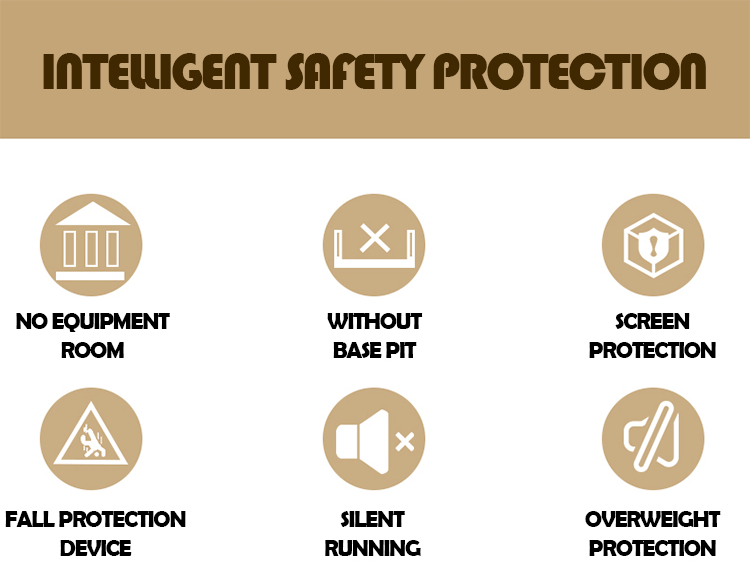
From compact 1 m² footprints with no pit required, to hydraulic and traction drive units from $3,000 and $8,500, safety is engineered into every configuration we export.
Ready to Choose a Safe Elevator for Your Family?
Contact the HAOKUN team to discuss your home’s requirements — we’ll recommend the right configuration and explain every safety feature in detail, with an itemized quotation within 24 hours.
Contact HAOKUN:
- Phone: +86 132 1058 1168
- Email: sales01@haokungroups.com
- Website: haokungroups.com