
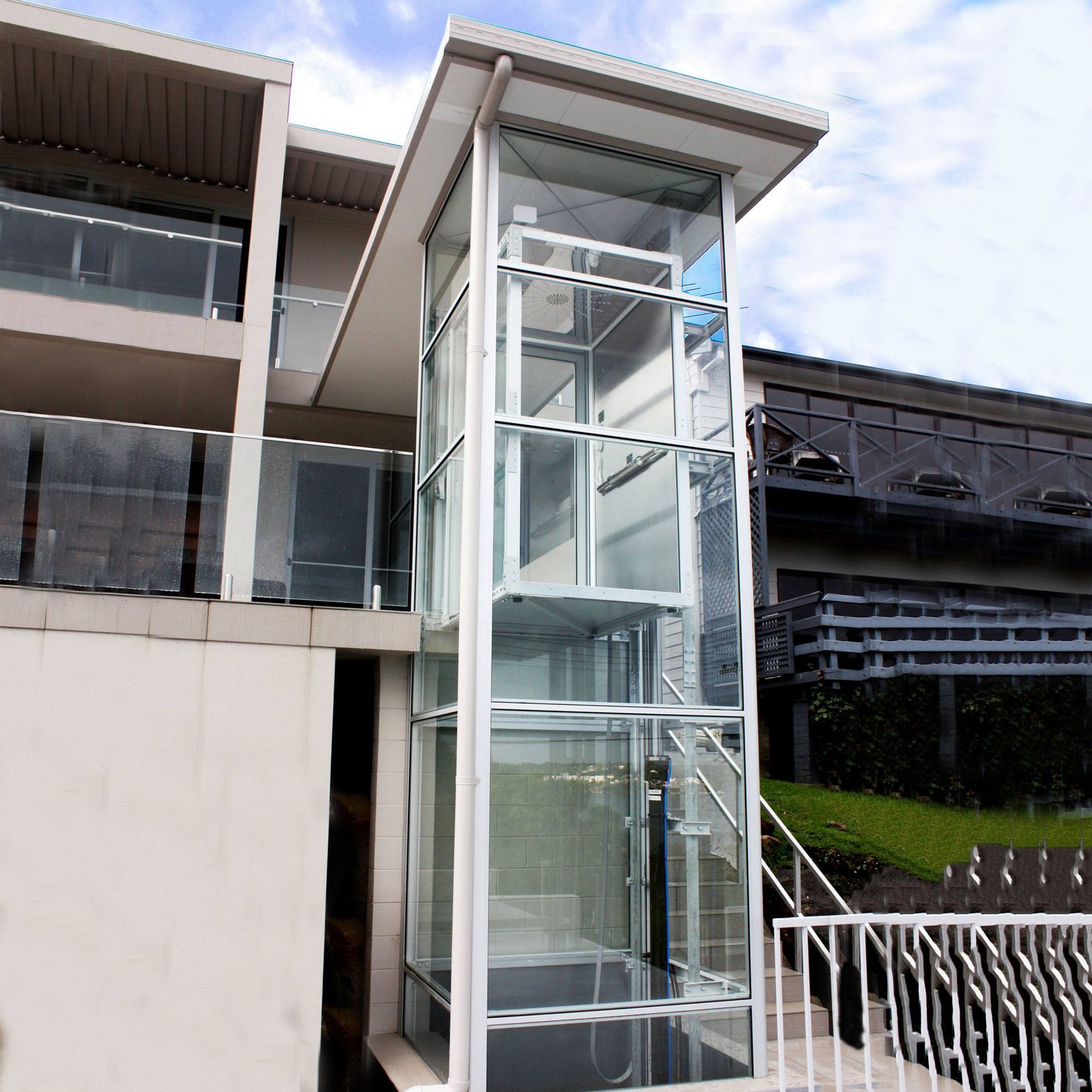
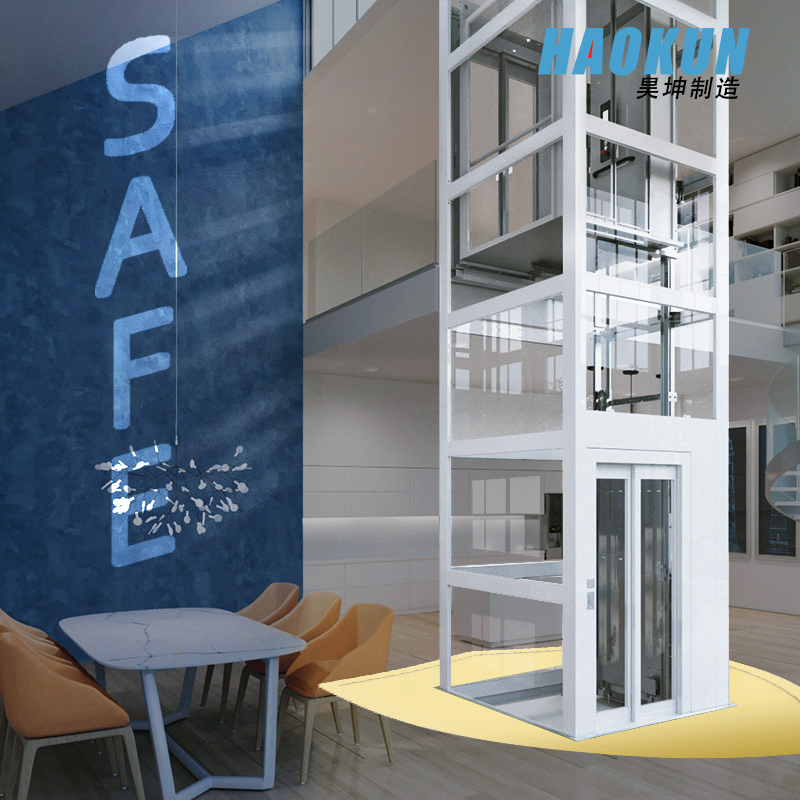
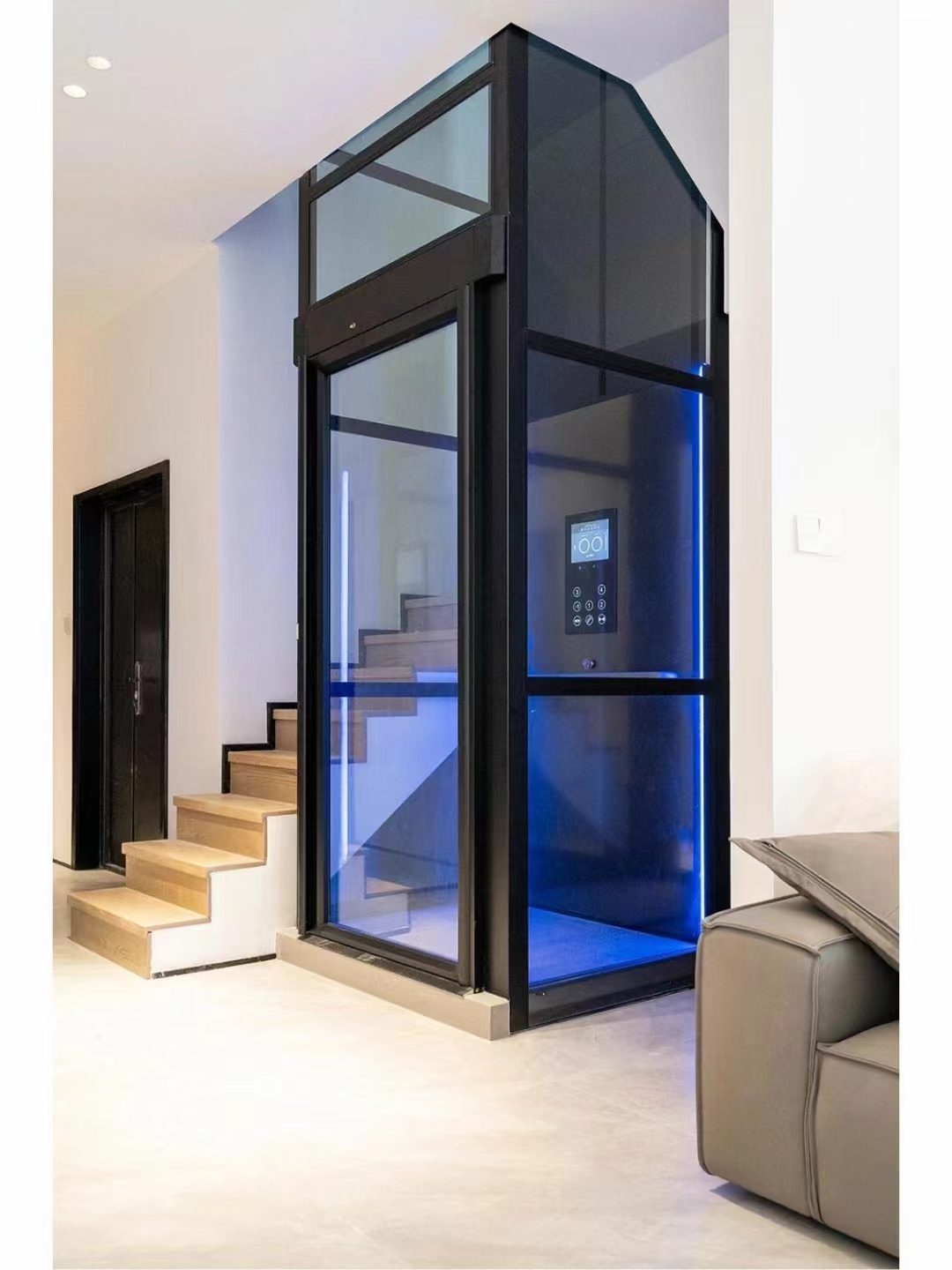
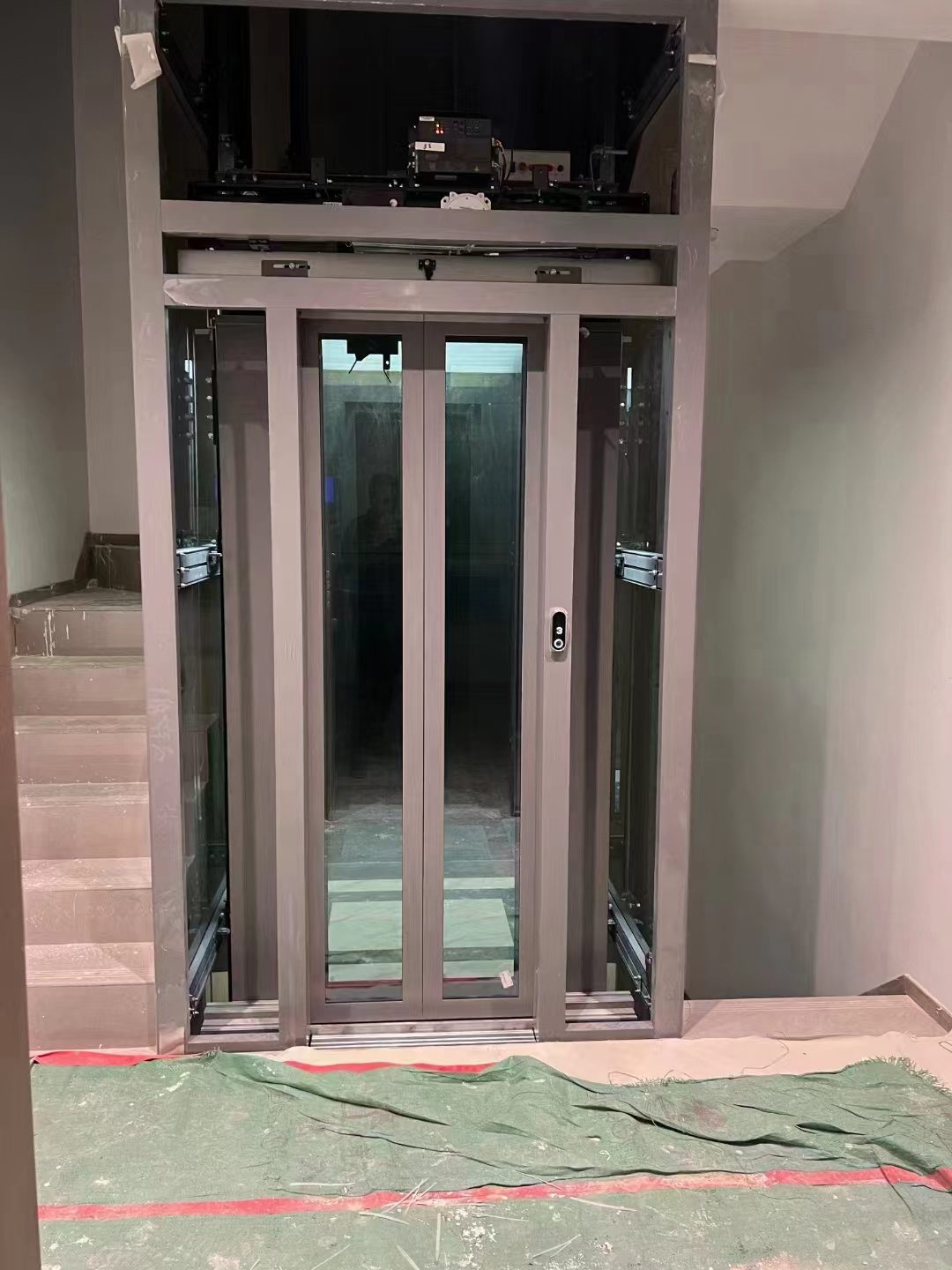
For many older adults, stairs become the biggest obstacle in their own home. The bedroom is upstairs, the bathroom is upstairs — and every trip up and down becomes a risk. A home elevator changes that completely: it lets seniors stay in the home they love, move freely at any hour, and keep their independence for years longer.
This guide explains why a home elevator is one of the smartest investments for aging in place, and what to look for when choosing one for an older family member.
1. Why a Home Elevator Matters for Seniors
Safety first
Falls are the leading cause of injury among older adults — and stairs are where most home falls happen. An elevator removes the risk of stairs entirely: no carrying laundry while climbing, no hurrying to the bathroom, no winter-slippery treads.
Independence
An elevator lets seniors move between floors on their own schedule, without waiting for help. That independence preserves dignity and confidence — two things that matter enormously in later years.
Everyday convenience
Beyond safety, an elevator makes daily life easier: groceries, laundry, luggage, and furniture all move between floors effortlessly. What was a tiring, risky chore becomes a non-event.
Staying in the home they love
Moving to a single-floor home or care facility is disruptive and expensive. Aging in place with an elevator is often the most economical and emotionally best solution — and it adds value to the home rather than costing it.
2. Key Features to Look For in a Senior-Friendly Elevator
Not all home elevators are equally senior-friendly. Here are the features that matter most:
Cabin size and wheelchair access
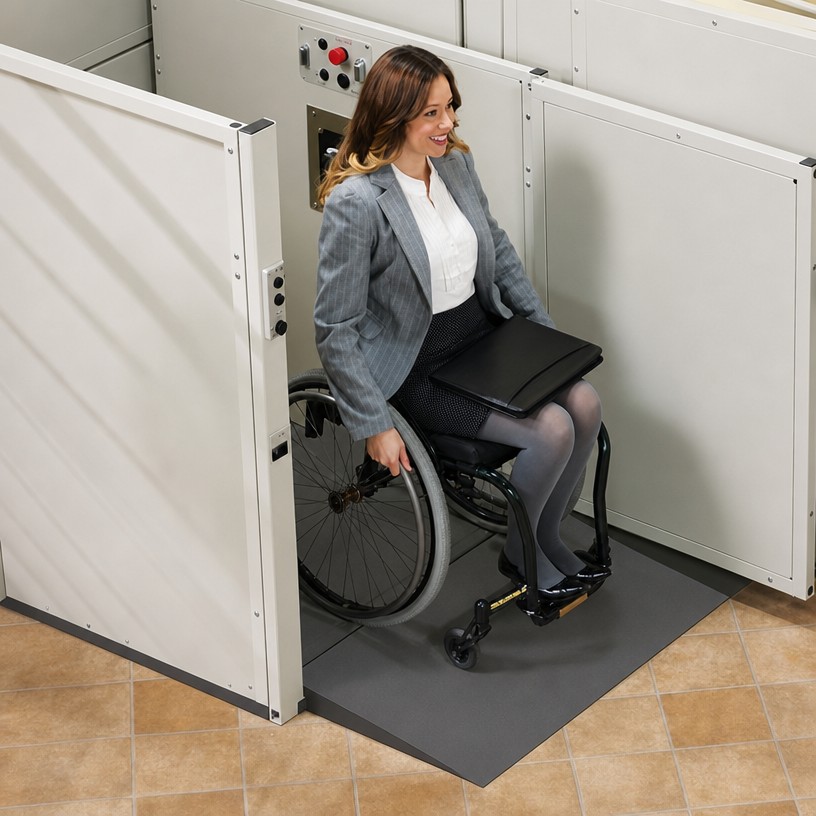
- A cabin that accommodates a wheelchair or walker (or can be sized to do so) keeps the elevator useful as mobility needs change
- A low floor threshold makes entering smooth, with no step to climb
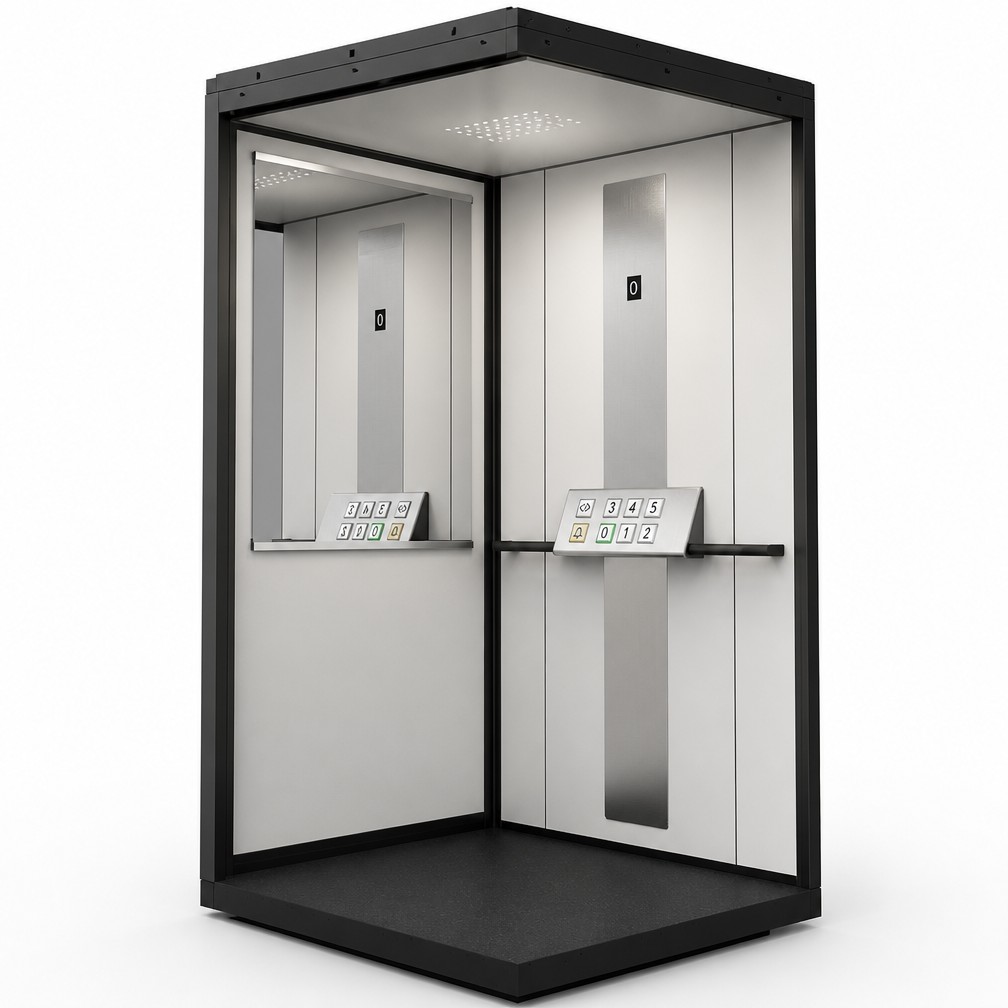
- Handrails inside the cabin for stability while riding
Doors designed for easy use
- Automatic doors — no heavy gate to pull; doors open and close on their own
- Wide door openings — comfortable for walkers and wheelchairs
- Safety sensors — doors reverse if anything (or anyone) is in the way
Simple, accessible controls
- Large, clearly labeled buttons — easy to see and press
- Low-mounted control panels — reachable from a seated or wheelchair position
- Bright cabin lighting — no dark corners
- Optional voice announcements or floor indicator displays help seniors who are visually impaired
Smooth and quiet operation
- Gradual start and stop — no jerking, which matters for balance and comfort
- Low noise — a quiet ride is calmer and less startling; traction elevators are the quietest option
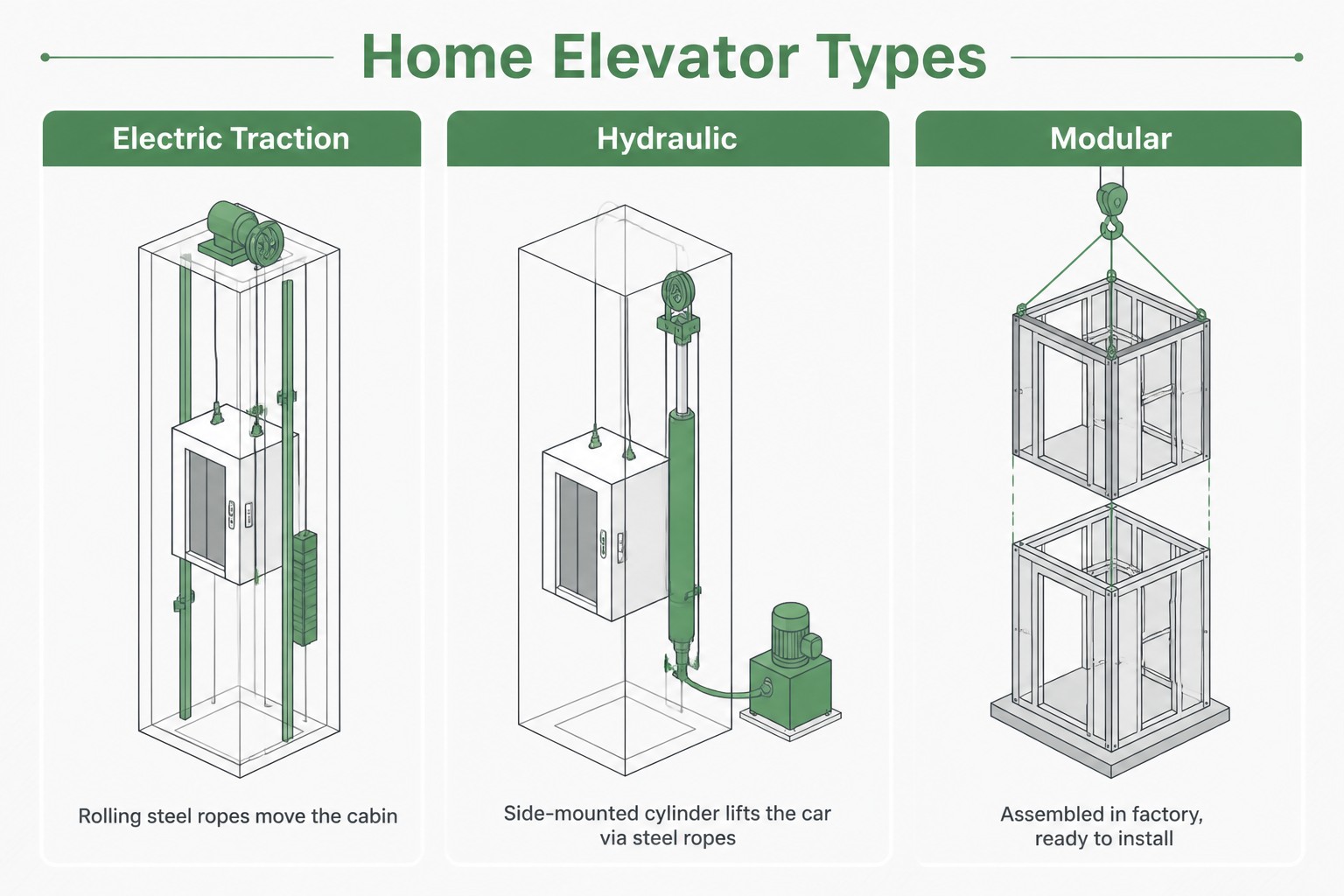
3. Hydraulic or Traction for Seniors?
Both drive types can serve seniors well, but they suit different priorities:
| Hydraulic | Traction | |
|---|---|---|
| Quietness | Moderate (pump noise) | Lowest — quietest ride |
| Maintenance | Higher (oil, seals) | Lower — simpler long-term care |
| Smoothness | Smooth | Very smooth |
| Price | from $3,000 | from $8,500 |
| Best for | Budget-conscious, 2–3 floors | Quiet, reliable, low-maintenance — ideal for daily senior use |
For daily, long-term senior use, traction is usually the better choice: quieter, smoother, cheaper to maintain over time, and more durable. If budget is the priority and the home has 2–3 floors, hydraulic remains a dependable option.
4. Emergency Preparedness: The Peace-of-Mind Features
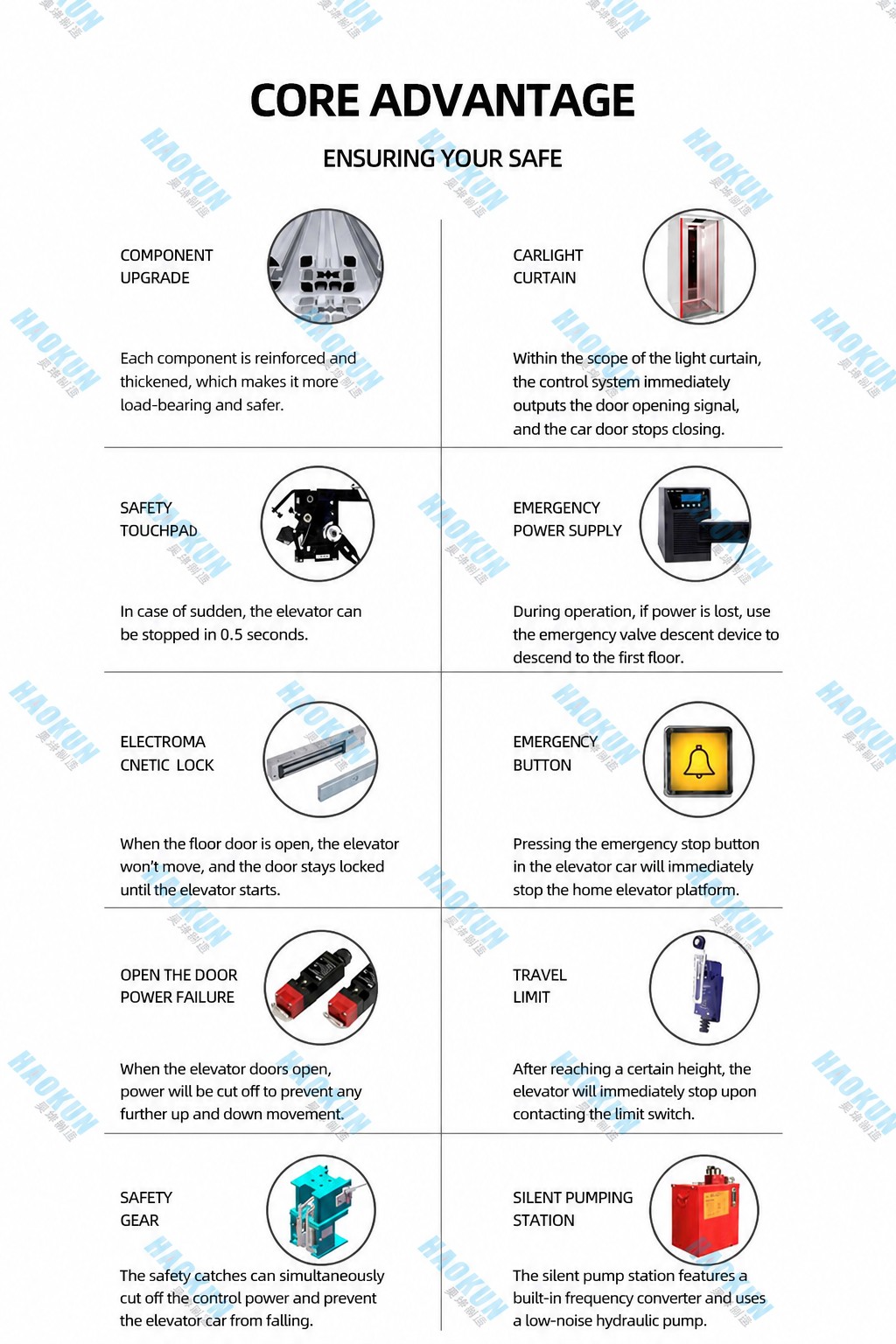
For seniors — and their adult children — knowing the elevator is safe in any situation is essential:
- Emergency alarm + two-way intercom — a senior can call for help from inside the car at any time
- Emergency lighting with battery backup — the cabin never goes dark during a power failure
- Automatic rescue mode (traction) — the elevator drives itself to the nearest floor and opens the doors when power fails
- Manual emergency lowering (hydraulic) — the car can be lowered safely to a floor without power
- Key switch / call lock — prevents unsupervised use by young grandchildren or unauthorized persons
5. Compact Installation: Fits the Homes Seniors Already Live In
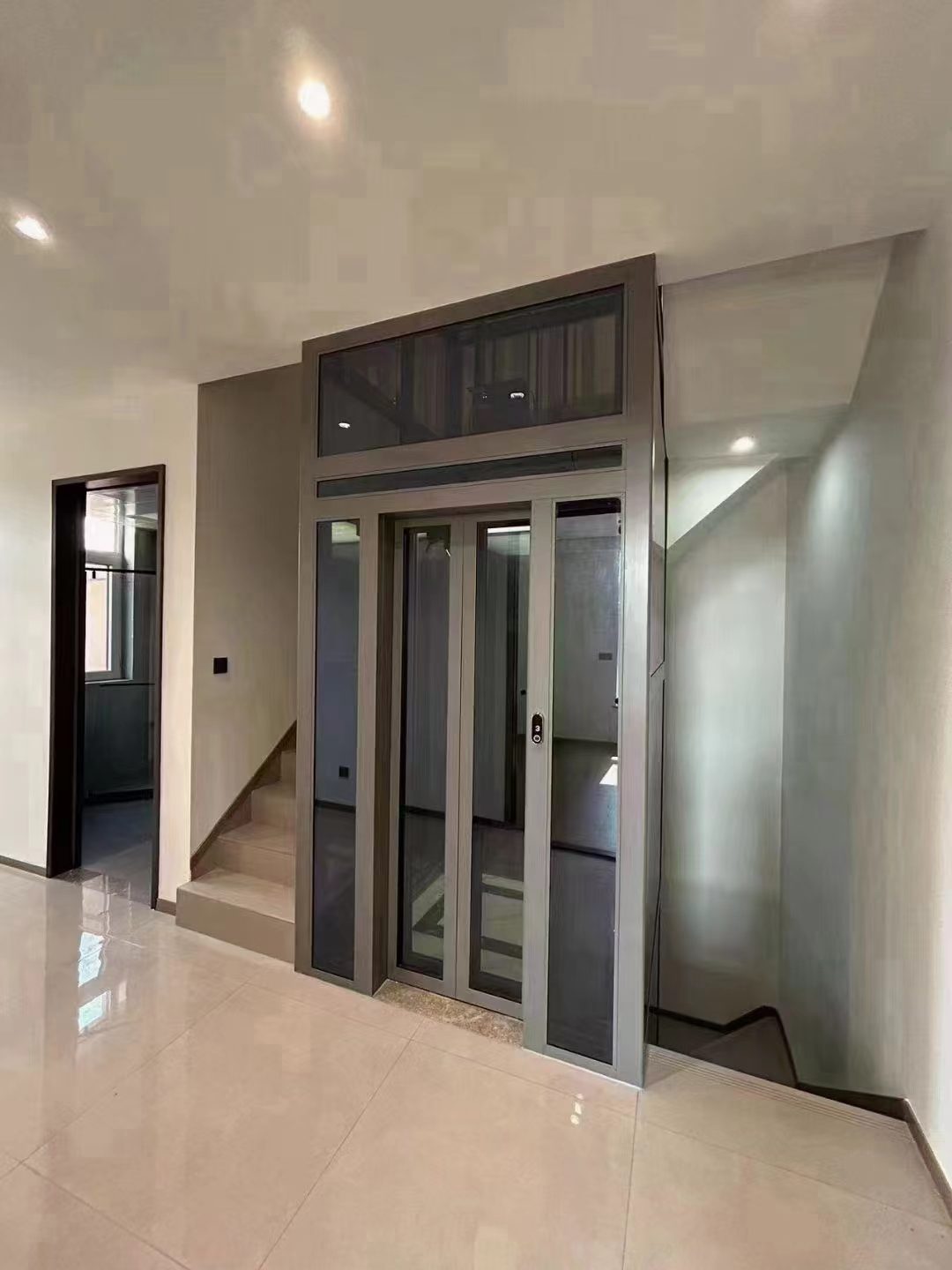
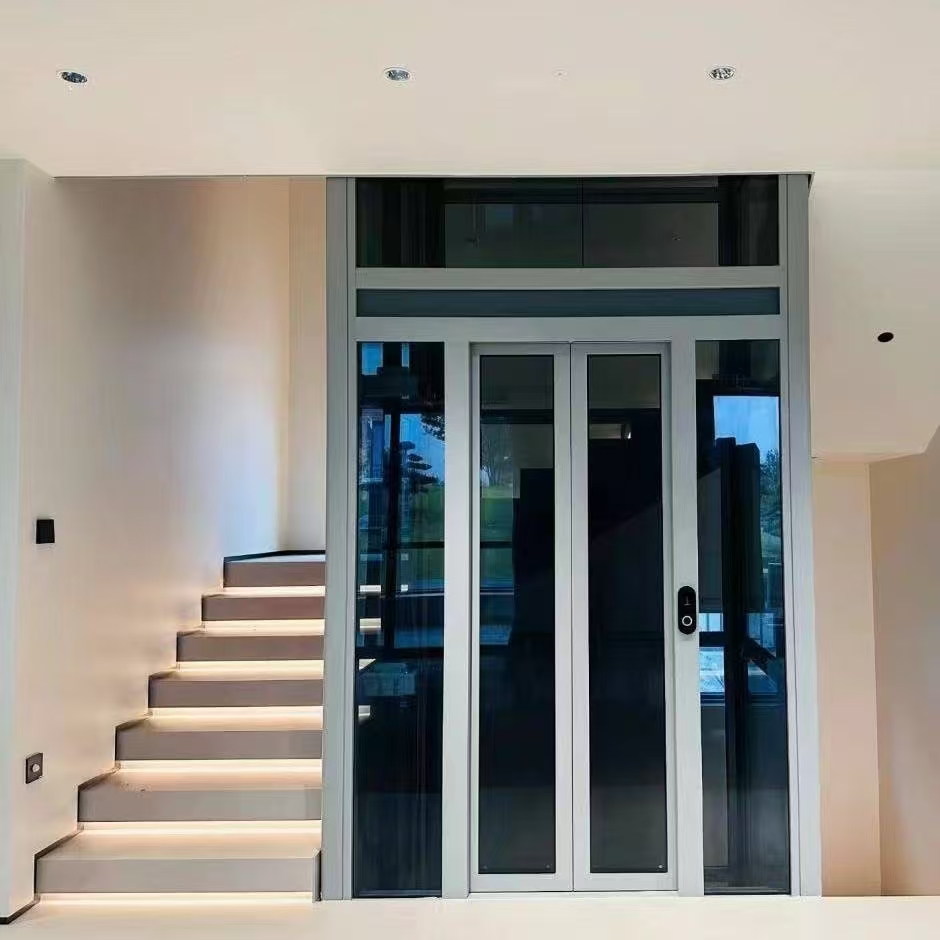
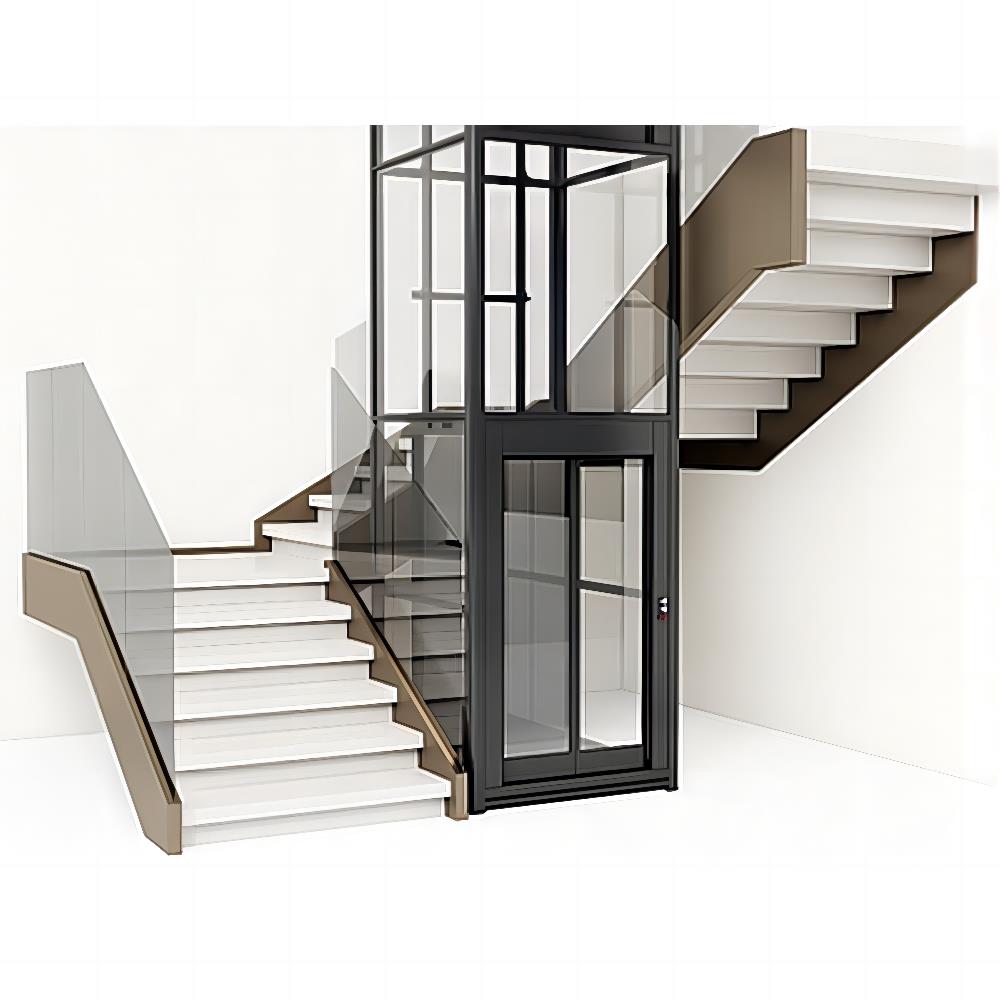
One of the most common myths is that a home elevator requires a large shaft and major construction — which puts seniors off making the change. With modern designs, that is no longer true:
- From ~1 m² of space — small enough for most hallways, stairwells, or room corners
- No pit required — no deep excavation; installation is far simpler, especially in existing homes
- Factory pre-assembled — most parts and guide rails arrive already assembled, so installation is fast and clean
- Professional on-site guidance available — our installation team can supervise the work (cost calculated per country)
Whether it’s a villa, a townhouse, or a renovated family home, a compact home elevator can usually be installed with minimal disruption.
6. What It Costs
| Item | Typical range |
|---|---|
| Drive unit | Hydraulic from $3,000 / Traction from $8,500 |
| Enclosure (if needed) | from $200/m², indoor or outdoor |
| Installation & related | Shipping + local labor + permits (varies by country) |
Compared to the cost of a single fall-related hospital stay — or the cost of moving — a home elevator is a modest investment that pays for itself many times over in safety, independence, and quality of life.
7. Questions Families Ask
Q: Is it safe for a senior to use a home elevator alone?
A: Yes. Modern home elevators have multiple safety layers — door interlocks, sensors, emergency alarm, battery backup, and automatic rescue — designed for independent daily use.
Q: Can a wheelchair fit in a home elevator?
A: With a suitably sized cabin (e.g., wheelchair-accessible configuration), yes. Many families size the cabin for a wheelchair even if the senior currently walks with a cane — future-proofing the investment.
Q: Will installation disrupt our home?
A: Minimal. With no pit required and factory pre-assembled components, installation is clean and typically completes within days.
Q: How long does a home elevator last?
A: 20–35 years with regular maintenance — designed to serve a senior for the long term.
Q: Does an elevator help if we’re caring for an elderly parent at home?
A: Immensely. It reduces caregiver strain, prevents accidents, and gives your parent independence — while giving you peace of mind.
HAOKUN: Elevators Built for Family Care

HAOKUN designs and manufactures home elevators with aging-in-place needs in mind:
- Compact footprints from ~1 m², no pit required
- Hydraulic drive units from $3,000 / traction from $8,500
- Factory pre-assembly for fast, simple installation
- Full CE and ISO 9001 certification
- Professional installation guidance available worldwide
Give your parents — or yourself — the freedom to move between floors safely. A home elevator is more than a machine; it’s the difference between surviving at home and truly living at home.
Plan Your Senior-Friendly Elevator
Contact the HAOKUN team with your home’s layout and the user’s mobility needs. We’ll recommend the right cabin size, drive type, and safety configuration — with an itemized quotation within 24 hours.
Contact HAOKUN:
- Phone: +86 132 1058 1168
- Email: sales01@haokungroups.com
- Website: haokungroups.com