
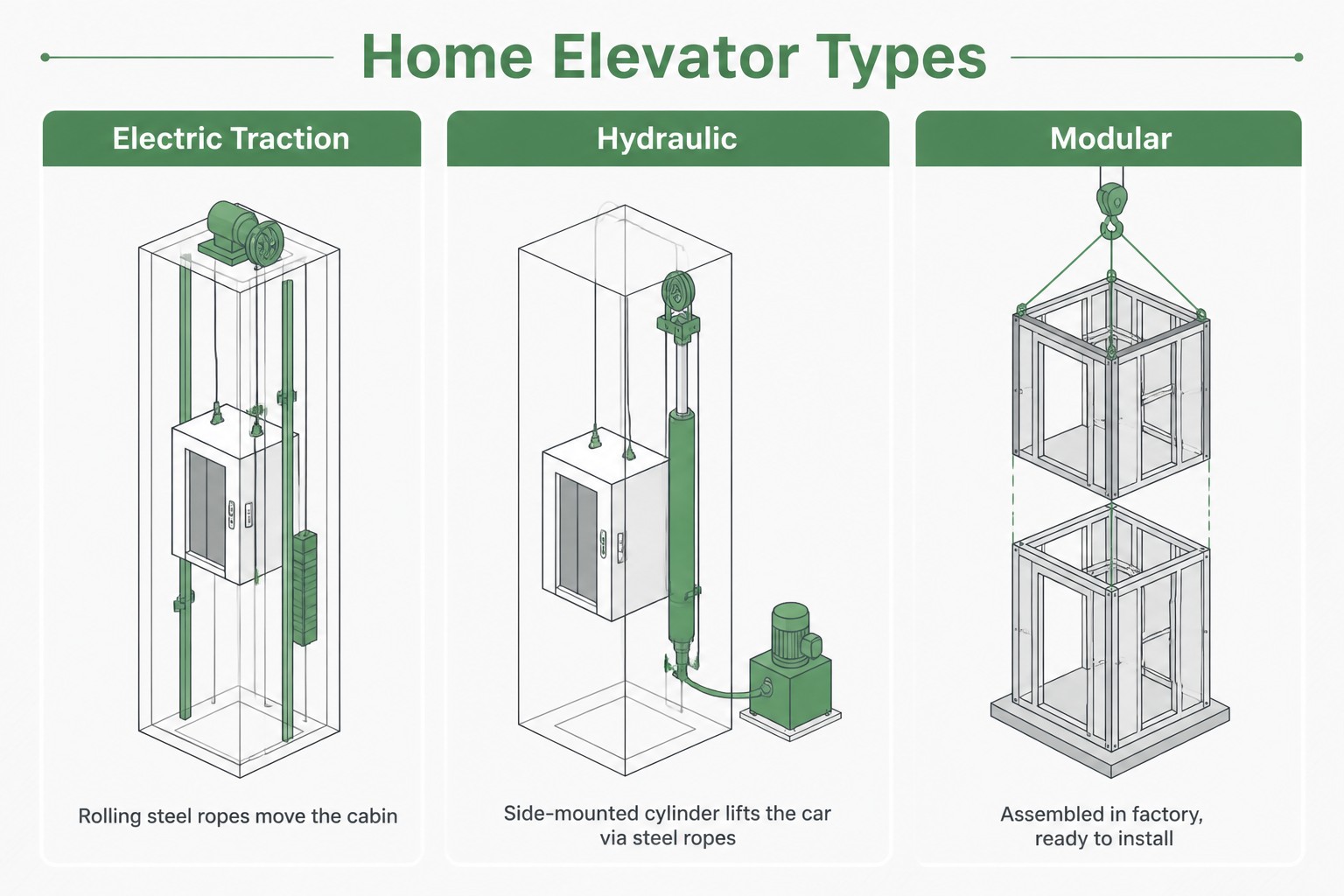
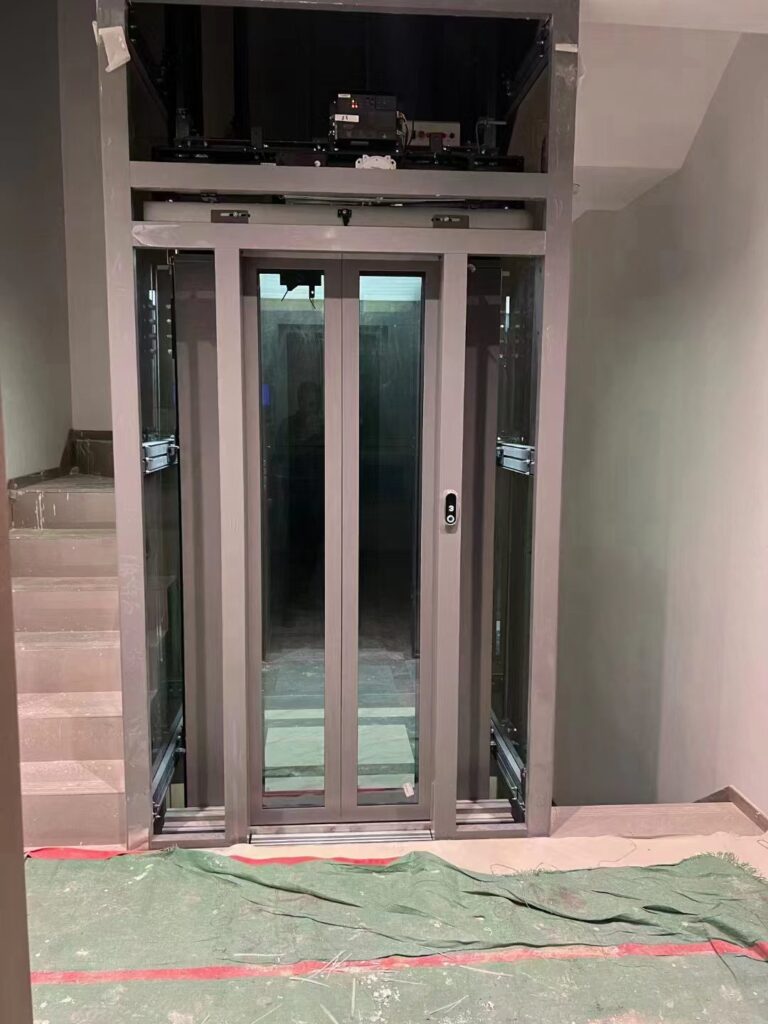
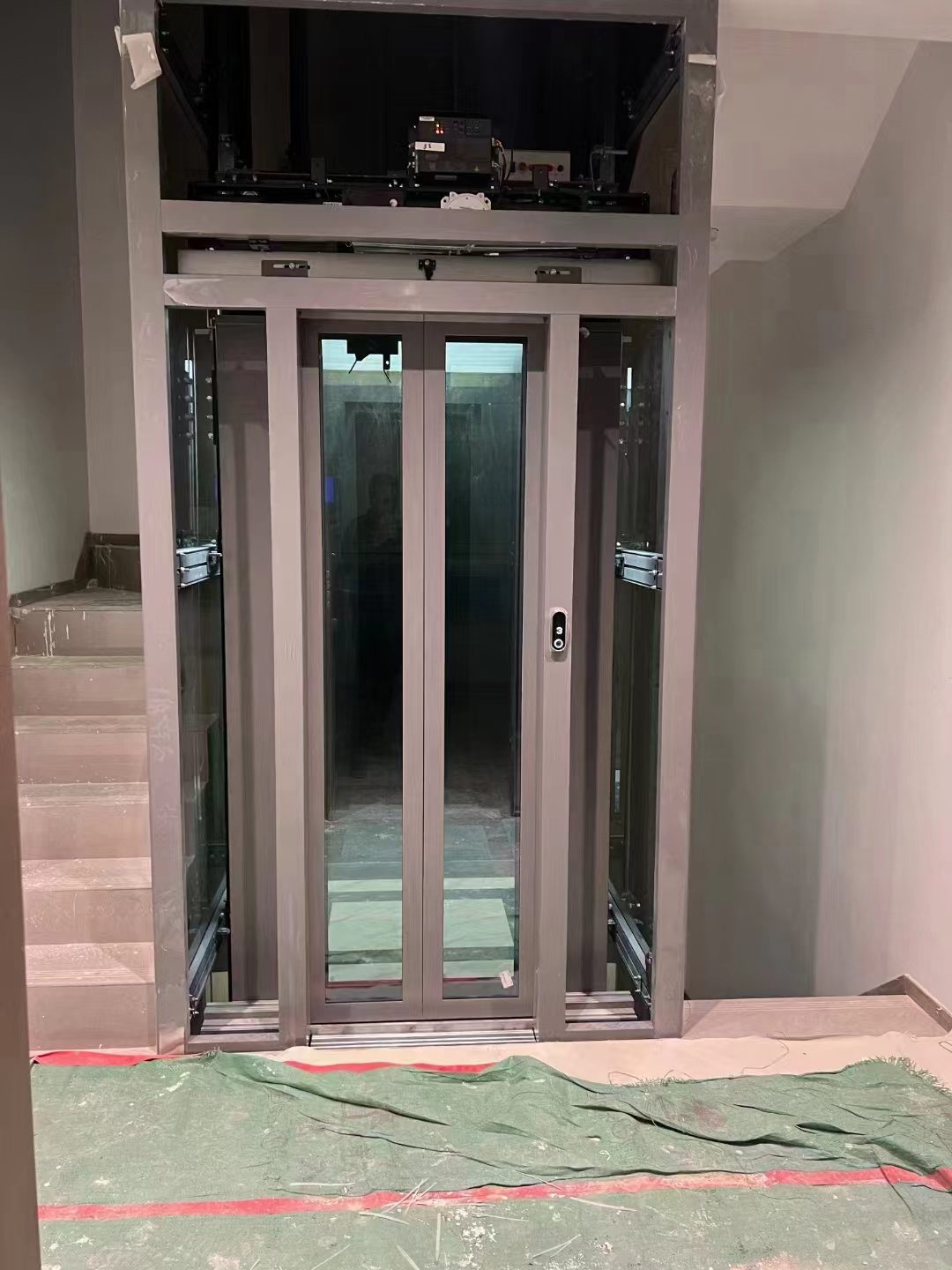
Quick answer: On-site installation of a home elevator typically takes 2–5 working days — about 2–3 days for hydraulic systems and 2–5 days for traction (MRL) systems, depending on configuration and site readiness. With factory pre-assembled components and full installation support, the whole project from order to first ride is measured in weeks, not months.
Key Facts at a Glance
- Hydraulic installation: typically 2–3 days (includes oil filling and testing)
- Traction (MRL) installation: typically 2–5 days — quiet, low-maintenance, works from 2 floors up
- No pit required: no excavation stage means less time and less disruption
- Factory pre-assembly: guide rails and most parts arrive pre-assembled, cutting significant on-site work
- Installation manual & tutorial: detailed manual and installation tutorial provided with every product
- Engineer dispatch available: our engineers can travel to your site for installation
- Local partner teams: cooperating installation crews and professional after-sales service in every country we serve
- Total project time: order + production + shipping + installation is typically a few weeks
1. The Four Stages of a Home Elevator Project
| Stage | What happens | Typical duration |
|---|---|---|
| 1. Planning & design | Measurements, floor plan review, 3D drawings, quotation, approvals | Days to a week |
| 2. Production | Factory builds and pre-assembles the system | Varies with the factory schedule |
| 3. Shipping | Delivery to your site (door, port, or air) | Depends on destination |
| 4. On-site installation | Assembly, electrical connection, testing, handover | 2–5 working days |
The fastest path to a working elevator is a supplier that does stages 1–2 well: accurate planning and factory pre-assembly remove the delays that happen after the elevator reaches your home.
2. How Many Days Does On-Site Installation Take?
Typically 2–5 working days — but the exact number depends on what you’re installing:
| Configuration | Typical on-site time | Notes |
|---|---|---|
| Hydraulic (2–3 floors) | 2–3 days | Includes oil filling and testing |
| Compact traction (MRL) | 2–5 days | Pre-assembled guide rails, no machine room |
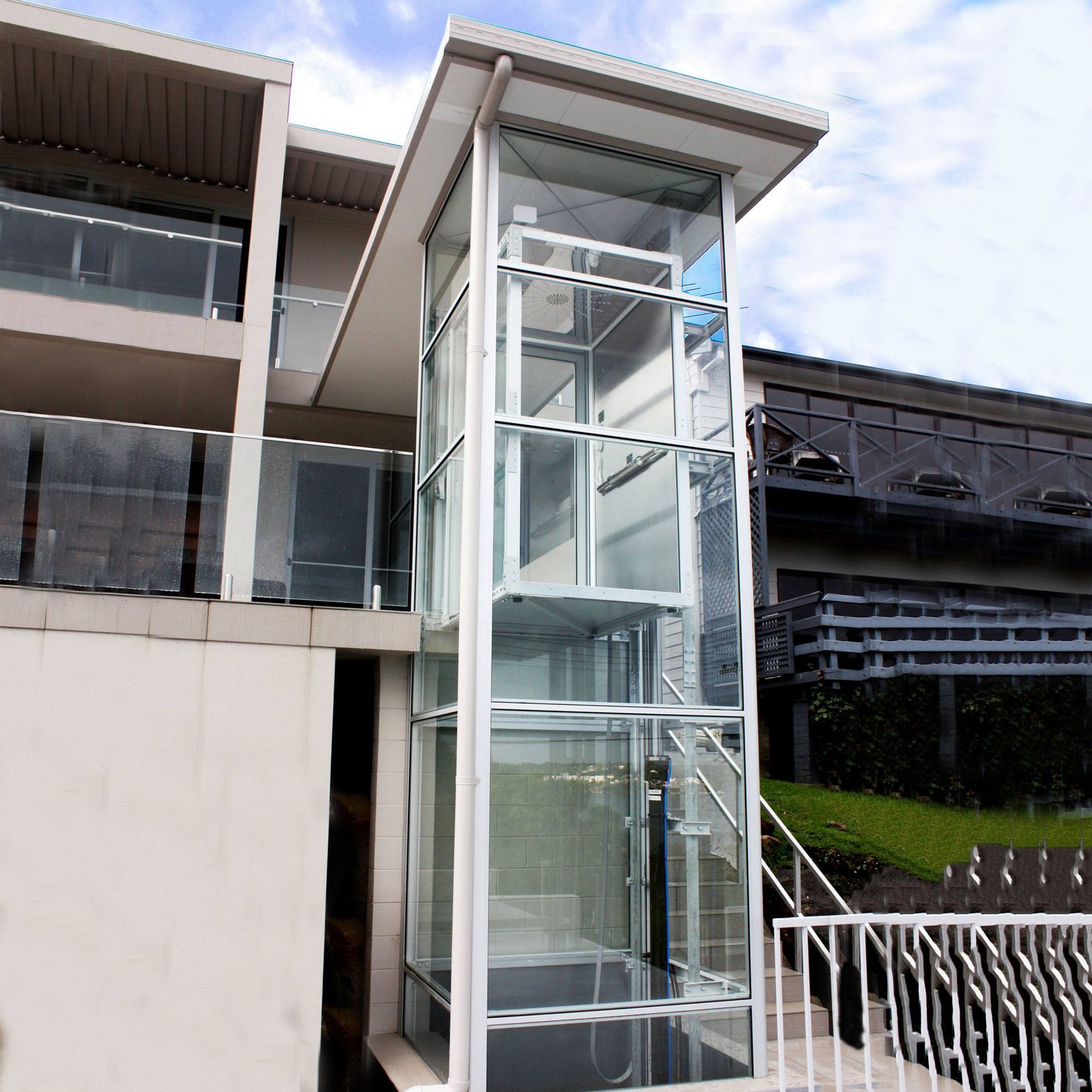
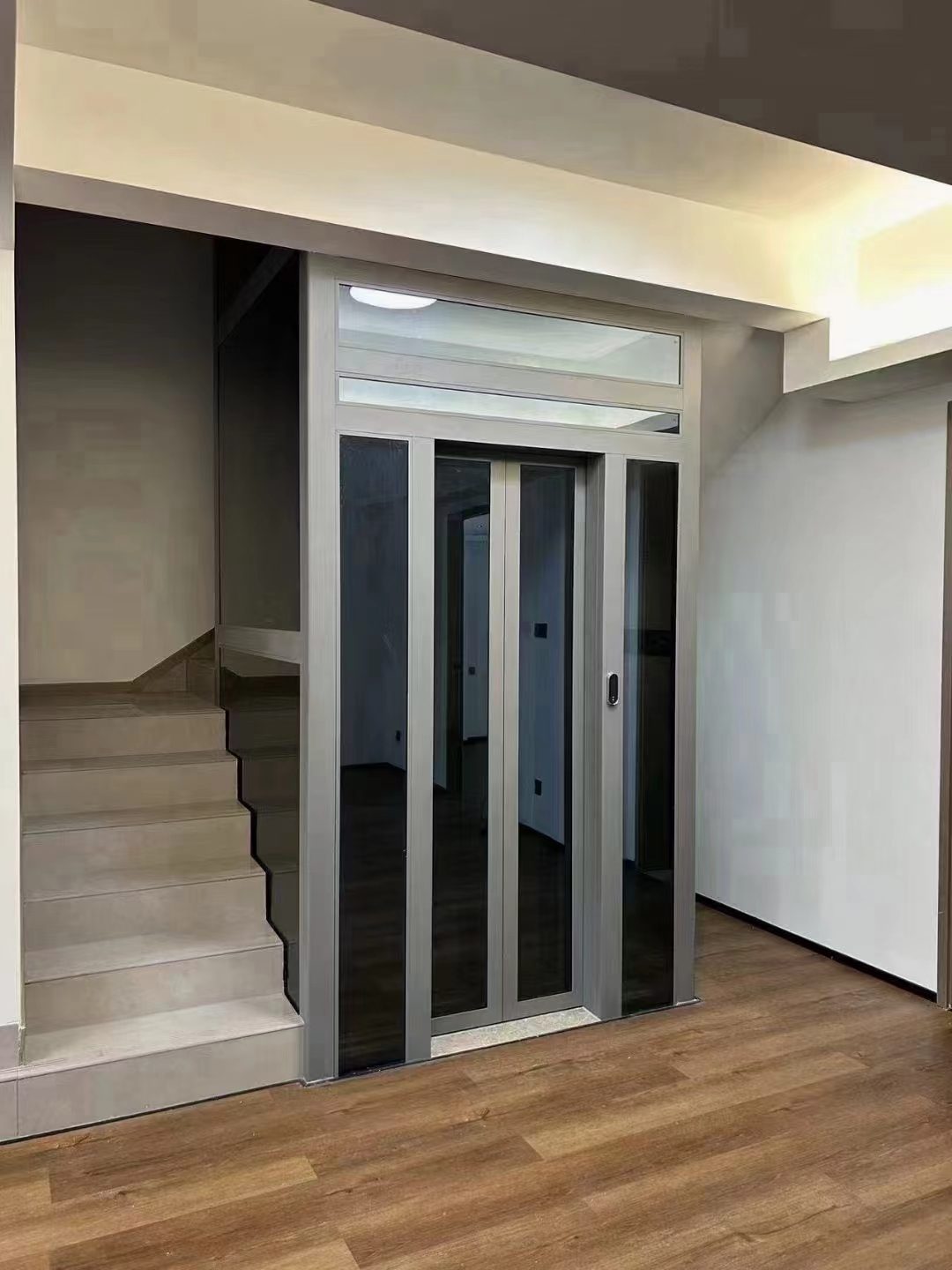
| With enclosure (cladding) | +1–2 days | Indoor or outdoor enclosure from $200/m² |
| Retrofit (existing home) | Similar | No-pit design avoids excavation work |
These are planning estimates — your supplier should confirm the timeline for your specific configuration and site.
3. What Determines Installation Speed
| Factor | Effect on timeline |
|---|---|
| Factory pre-assembly | Biggest accelerator — pre-assembled rails and modules cut days of on-site work |
| Pit requirement | No-pit designs skip excavation, foundation, and waterproofing stages |
| Machine room | MRL designs avoid building and fitting a separate machine room |
| Site readiness | Prepared shaft, power supply, and clear access speed everything up |
| Local installer experience | A trained team with clear documentation installs faster and safer |
| Enclosure style | Custom cladding adds a little time but transforms the look |
4. Why Factory Pre-Assembly Changes Everything
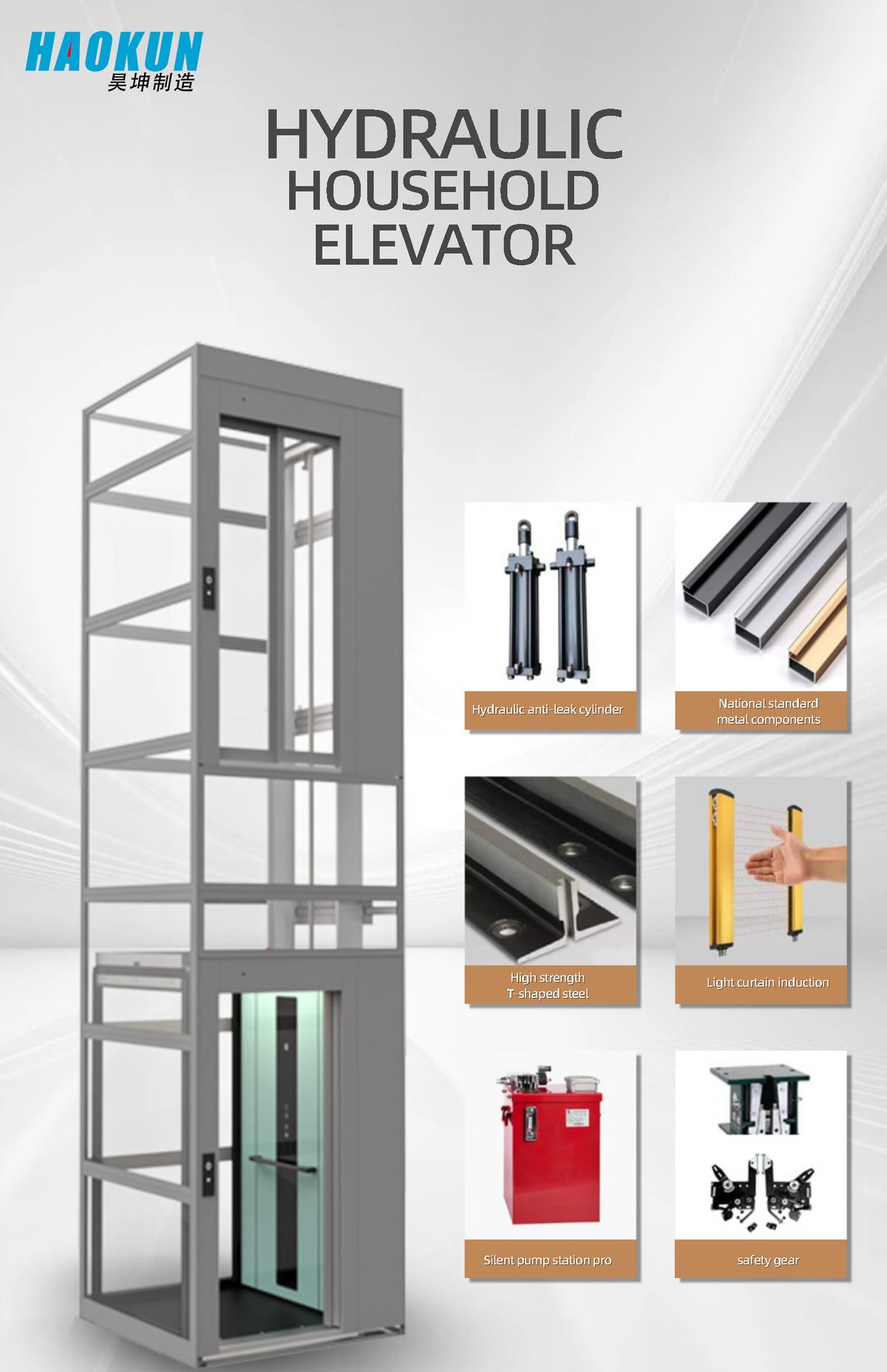
Traditional elevator installation means days of on-site welding, cutting, and adjusting. Factory pre-assembled systems are different:
- Guide rails arrive pre-assembled — aligned and tested at the factory, not improvised on site
- Simple connection, not complex craftsmanship — components are designed to be bolted and connected, so local installers need no special skills
- Fewer errors — factory-tested modules mean fewer surprises during assembly
- Less disruption — shorter on-site time means less dust, noise, and inconvenience in your home
This is why modern home elevators can go from delivery to first ride in just a few days.
5. Installation Support That Removes the Worry
Even the fastest system needs the right support. A complete home elevator package solves your concerns end to end:
- Detailed installation manual & tutorial — every product ships with a comprehensive manual and installation tutorial, so your local team always has clear, step-by-step guidance
- Engineer dispatch — our engineers can travel to your site and handle the installation for you
- Local partner crews — we cooperate with installation engineering teams in every country we serve
- Professional after-sales service — local partners and factory support work together to keep your elevator running for years
You’re never left alone with a box of parts — from delivery to handover, and long after.
6. The On-Site Installation Process, Step by Step
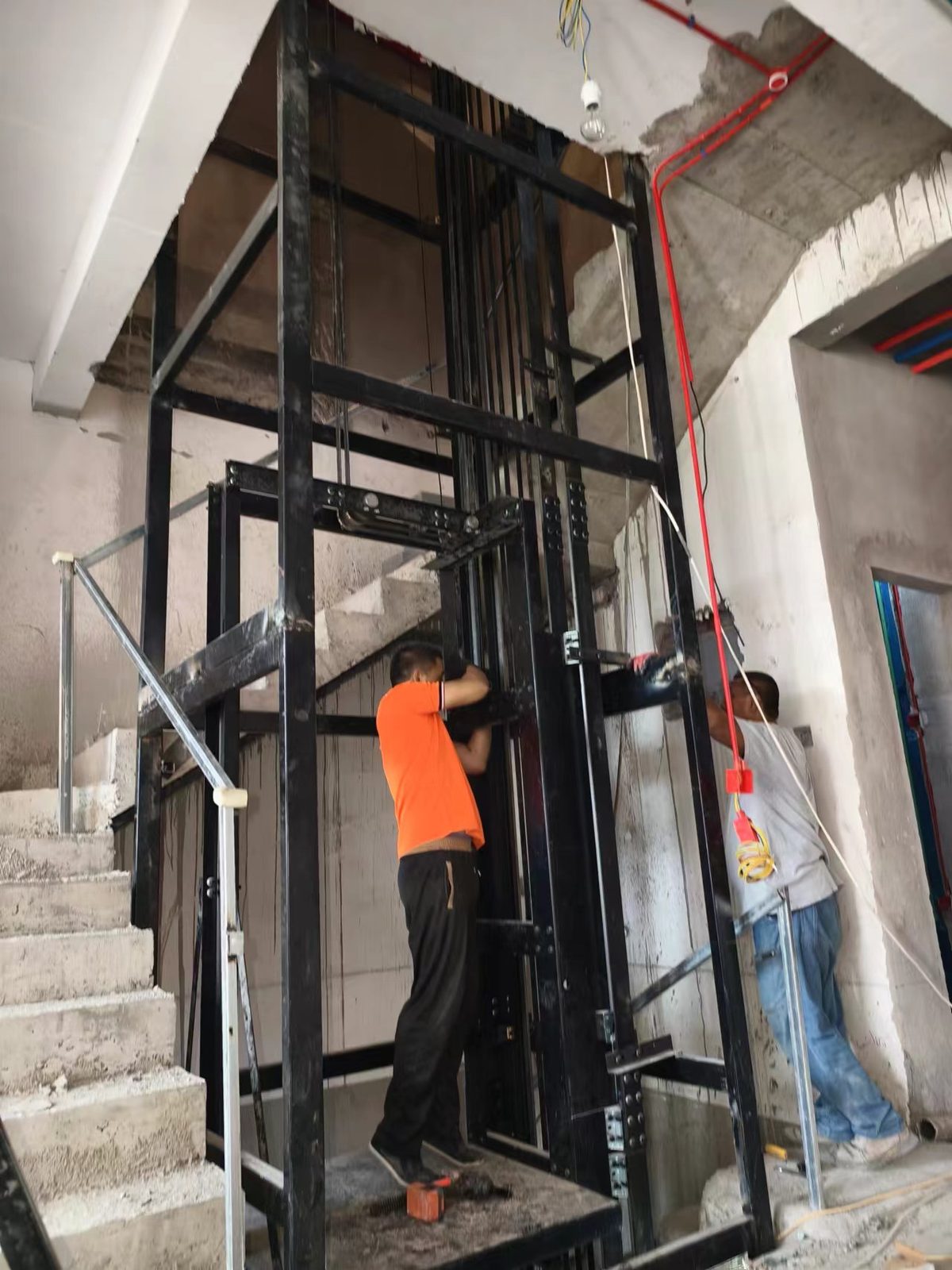
- Site check — verify shaft dimensions, power supply, and access
- Rail and frame assembly — pre-assembled guide rails are positioned and fixed
- Drive unit installation — traction machine (inside the hoistway) or hydraulic unit
- Car assembly — cabin, doors, and interior details fitted
- Electrical connection — control system and safety circuits wired
- Testing — load test, safety checks, and smooth-ride adjustment
- Handover — final inspection, documentation, and instructions for use
With the detailed installation manual, tutorial, engineer dispatch, and local partner crews, even a first-time local installer can complete these steps confidently.
7. How to Keep Your Installation On Schedule
- Confirm measurements early — accurate floor plan data avoids site surprises
- Prepare the shaft and power — have the space cleared and power available before delivery
- Choose pre-assembled options — factory pre-assembly is the single biggest time-saver
- Use the supplier’s guidance — a dedicated team guiding your local installers reduces risk
- Ask for a written timeline — a professional manufacturer will commit to a schedule
Frequently Asked Questions
Q: How long does it take to install a home elevator?
A: On-site installation typically takes 2–5 working days, depending on configuration. Factory pre-assembled systems install fastest, and no-pit designs avoid excavation work entirely.
Q: Does a home elevator need a pit?
A: Not with modern compact designs. No-pit installation skips excavation and foundation work — saving both time and cost.
Q: How long does the whole project take, from order to first ride?
A: Order, production, shipping, and installation together are typically measured in weeks — planning and production are the main stages, while on-site installation itself is just a few days.
Q: Can a home elevator be installed in an existing house?
A: Yes. Compact designs from ~1 m² with no pit required make retrofit installation practical — and fast — in most homes.
Q: Who installs the elevator?
A: You have options: our cooperating installation crews in your country, or our engineers dispatched to your site — plus a detailed installation manual and tutorial with every product. Professional after-sales service is available in every country we serve.
Q: How much does a home elevator cost?
A: Drive units start from $3,000 (hydraulic) or $8,500 (traction); enclosures from $200/m². Installation time and cost depend on floors, configuration, and site.
Want a Realistic Timeline for Your Home?
Send the HAOKUN team your floor plan and country — you’ll receive 3D design drawings, an itemized quotation, and a clear installation timeline within 24 hours.
Contact HAOKUN:
- Phone: +86 132 1058 1168
- Email: sales01@haokungroups.com
- Website: haokungroups.com