
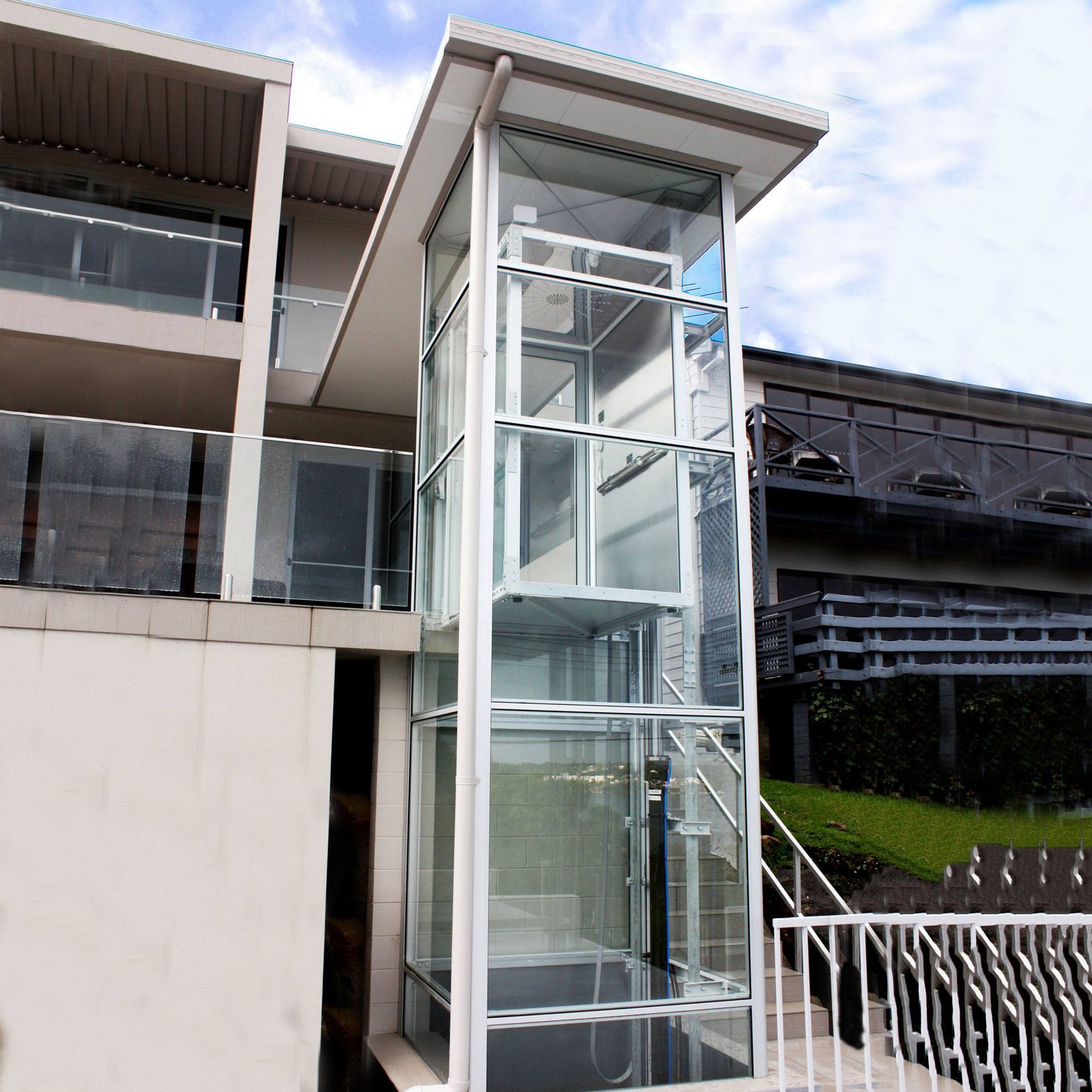
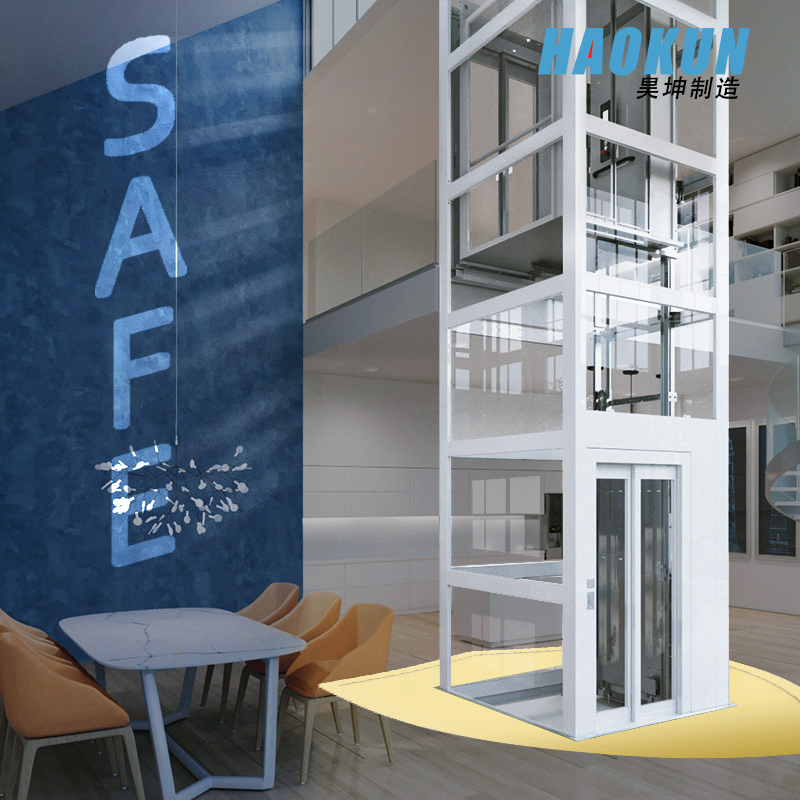
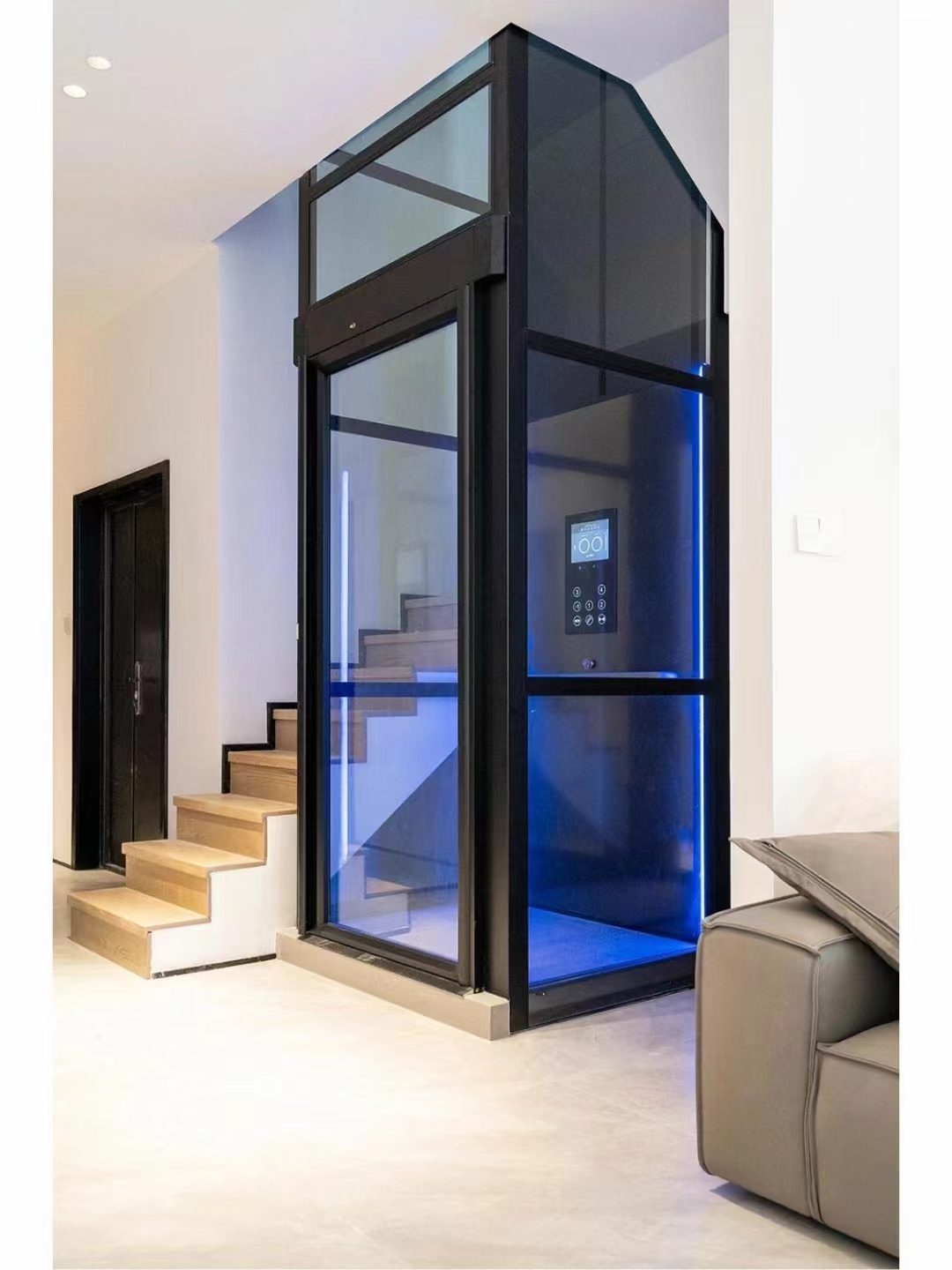
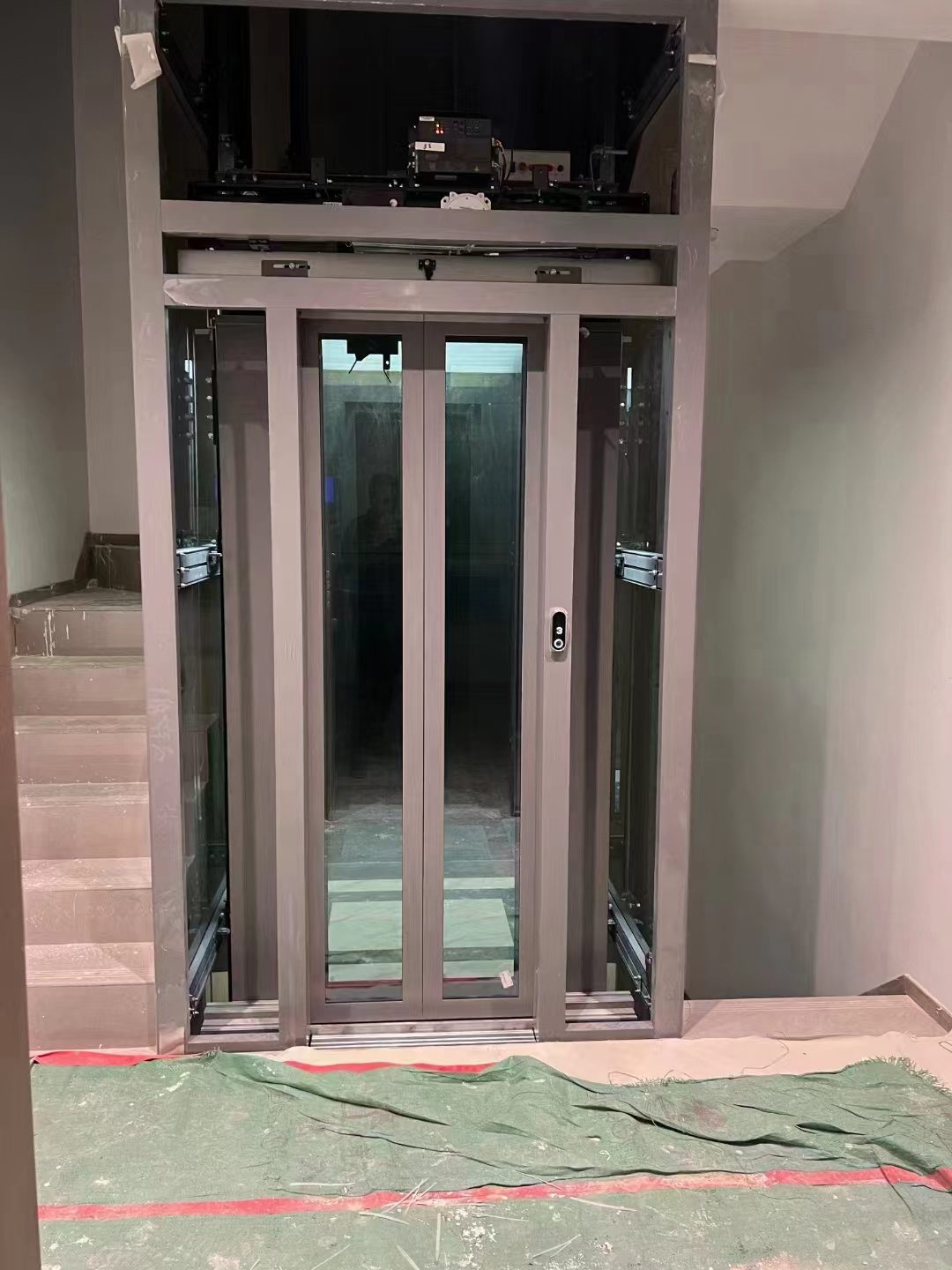
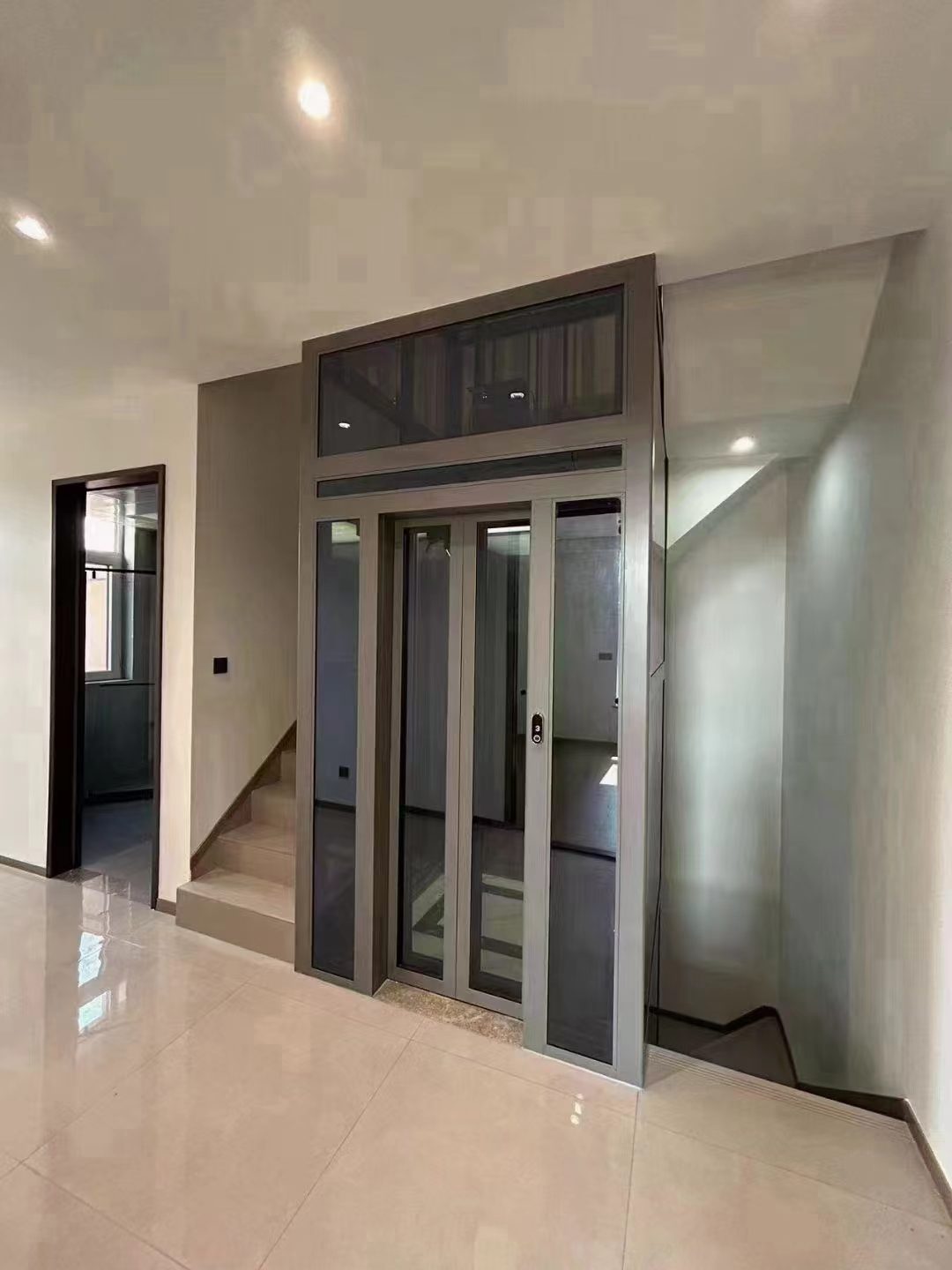
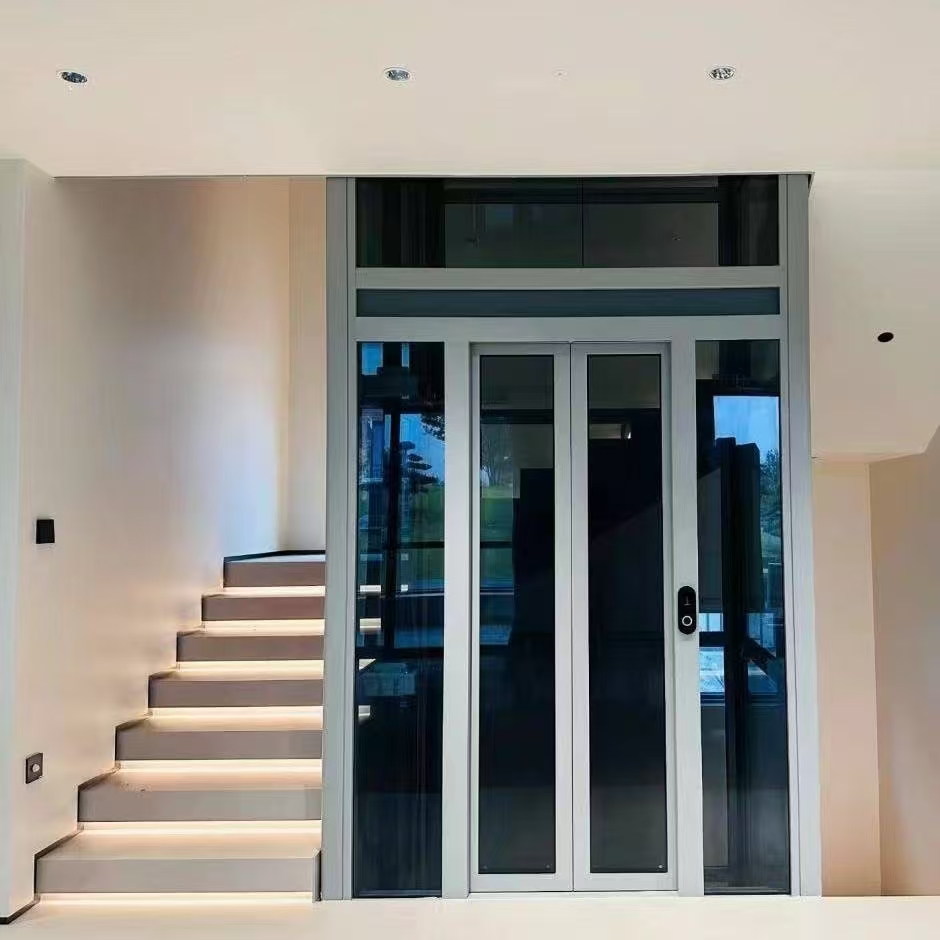
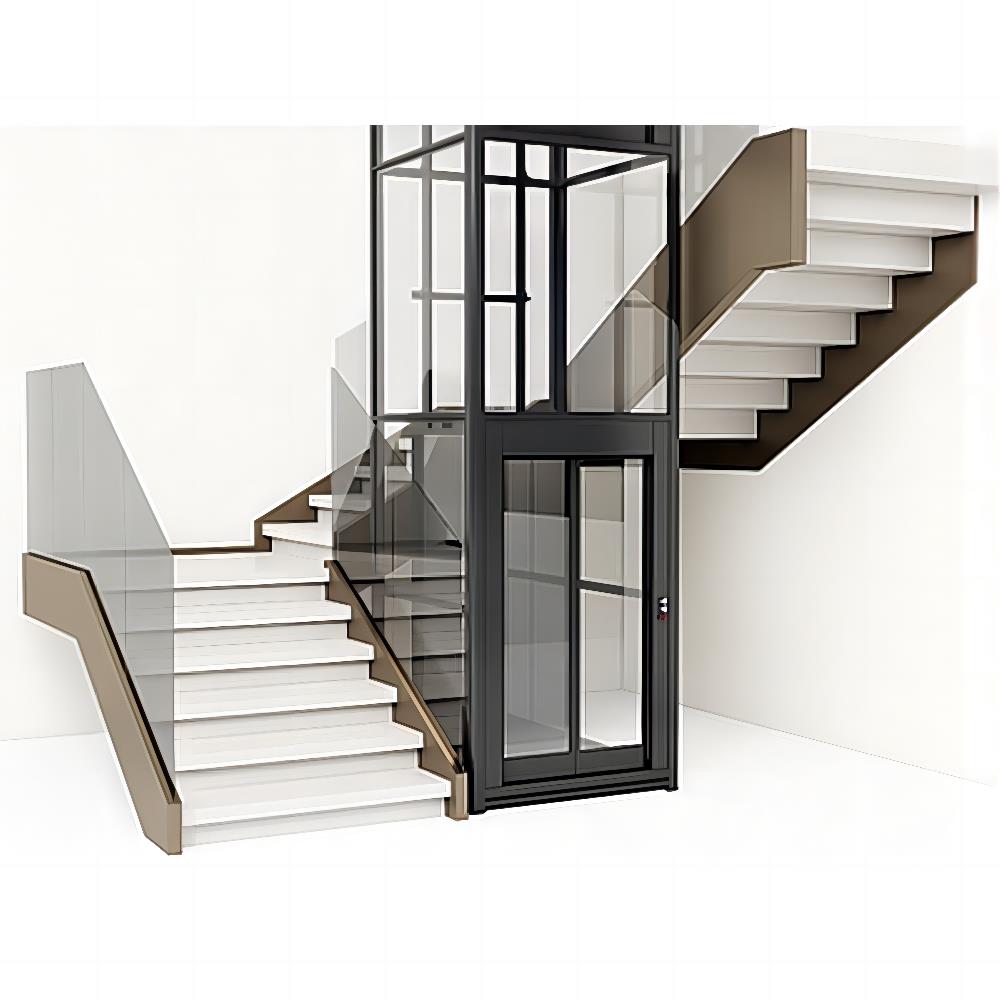
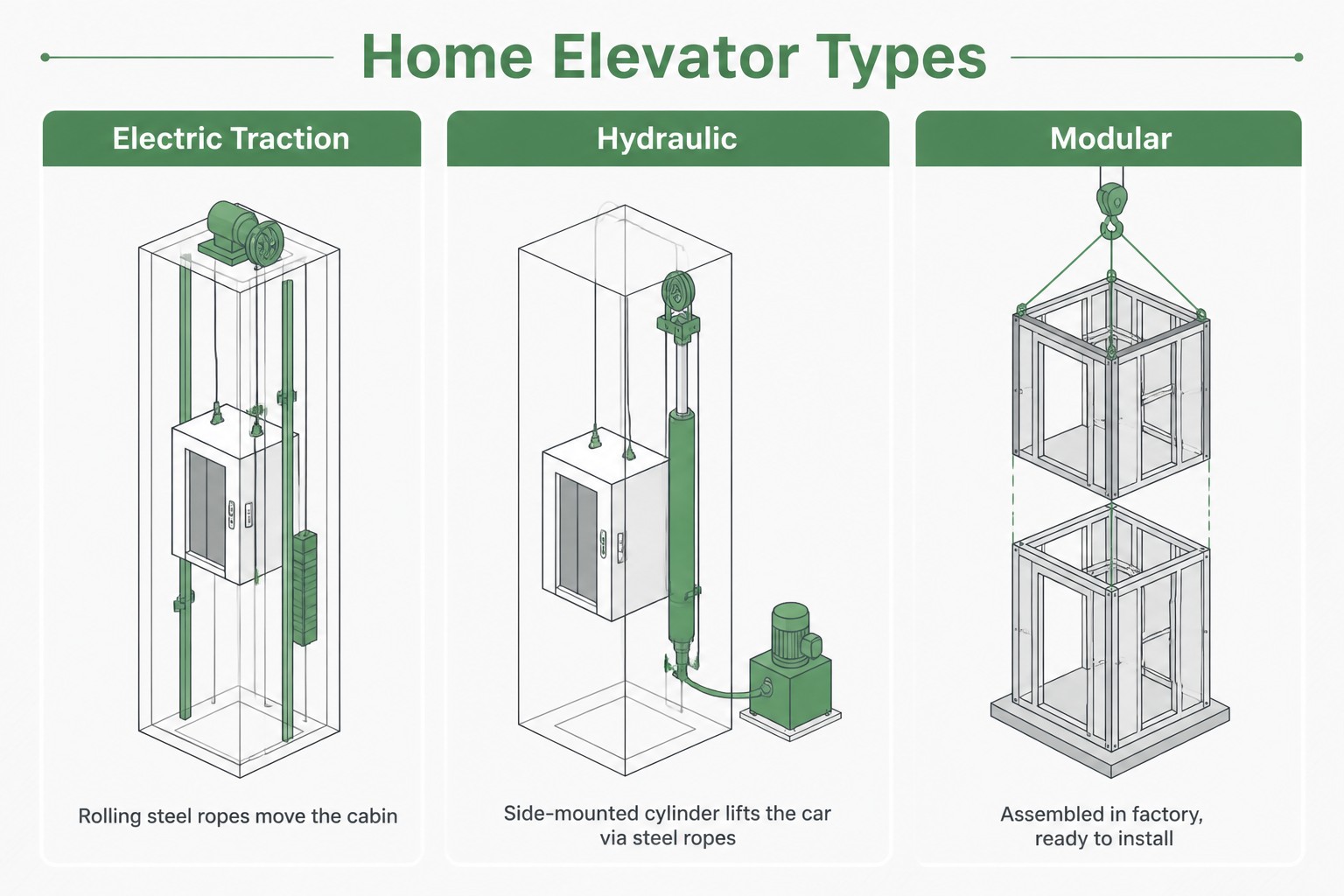
Traction elevators — powered by an electric motor, sheave, and steel wire ropes — are the preferred choice for modern residential buildings. They run quieter than hydraulic systems and are more energy-efficient, making them ideal for daily family use. However, a traction system involves precision mechanical and electrical components that benefit greatly from regular attention.
This guide is written for homeowners who want to understand what their traction home elevator needs to stay safe, quiet, and dependable for years to come.
1. Understanding Your Traction Home Elevator
A traction elevator works like a pulley system. An electric motor turns a grooved wheel (the sheave). Steel ropes run over the sheave — one end holds the elevator car, the other holds a counterweight. When the motor turns, the car moves up or down. Because the counterweight balances most of the car’s weight, the motor doesn’t have to work very hard, which is why traction elevators are so energy-efficient.
What this means for maintenance:
- The ropes are the single most critical safety component. They must be inspected regularly.
- The brake holds the car at each floor — it must be in perfect working order.
- Ride quality (smooth starts and stops) tells you a lot about the system’s health.
2. The Wire Ropes: Your Elevator’s Most Critical Safety Component
Homeowner tip: Think of the wire ropes like the tires on your car — they wear gradually, and you need to replace them before they become dangerous, not after.
What you can observe:
- From inside the car, a smooth, quiet ride suggests the ropes and sheave are in good condition. Any new vibration, shaking, or unusual sound during travel warrants investigation.
- You don’t need to inspect the ropes yourself (that’s a technician’s job), but you should know their approximate age. Wire ropes in home elevators typically last 12–15 years with normal use.
What your technician checks (annually):
- Broken wire strands — even a single broken strand on a rope is cause for concern
- Diameter reduction — ropes wear thin over time and must be replaced before they lose more than 7% of their original diameter
- Surface rust or corrosion — especially important in coastal or humid locations
- Tension balance — all ropes in the set must share the load equally; uneven tension causes premature wear
Important: Rope replacement is a job for qualified professionals only. All ropes in the set must be replaced together — never just one. Mixing old and new ropes is dangerous because they stretch differently.
3. What a Healthy Traction Elevator Feels Like
You ride your elevator regularly. That makes you the best person to notice when something changes.
A healthy ride:
- Accelerates gently and smoothly from a stop
- Travels quietly — a soft hum from the motor, minimal mechanical noise
- Decelerates gradually and stops exactly level with the floor
- Doors open and close smoothly without hesitation
Warning signs to act on:
- Vibration or shaking during travel — could indicate worn sheave grooves, rope issues, or guide rail problems
- A bump or jolt when starting or stopping — may be a brake adjustment issue or drive parameter problem
- The car stops above or below floor level — often a sensor/encoder issue or rope slip on the sheave
- Scraping or grinding sounds — could be a guide shoe or roller issue, or something rubbing in the hoistway
- A squeal during braking — brake pads may be worn or contaminated
Any of these warrant a call to your service provider. Don’t wait until the problem gets worse.
4. The Brake: What Keeps Your Family Safe
The brake in a traction elevator has two jobs: hold the car stationary at each floor, and stop it in an emergency. It is spring-applied and electrically released — meaning it engages automatically when power is removed (a fail-safe design).
What you should know:
- A properly functioning brake is silent when holding and quiet during release. Any grinding, squealing, or thumping sound means the brake needs attention.
- The brake should engage immediately when the elevator stops. If you feel the car “settle” or drop slightly after stopping, the brake may be slow to engage.
- The brake linings wear over time — just like brake pads on a car. Your annual service should include a brake lining thickness check.
What you should never do:
- Never attempt to adjust the brake yourself. Incorrect adjustment can prevent the brake from holding, creating a serious safety risk.
- Never ignore a burning smell from the machine room. A dragging brake generates significant heat and is a fire hazard.
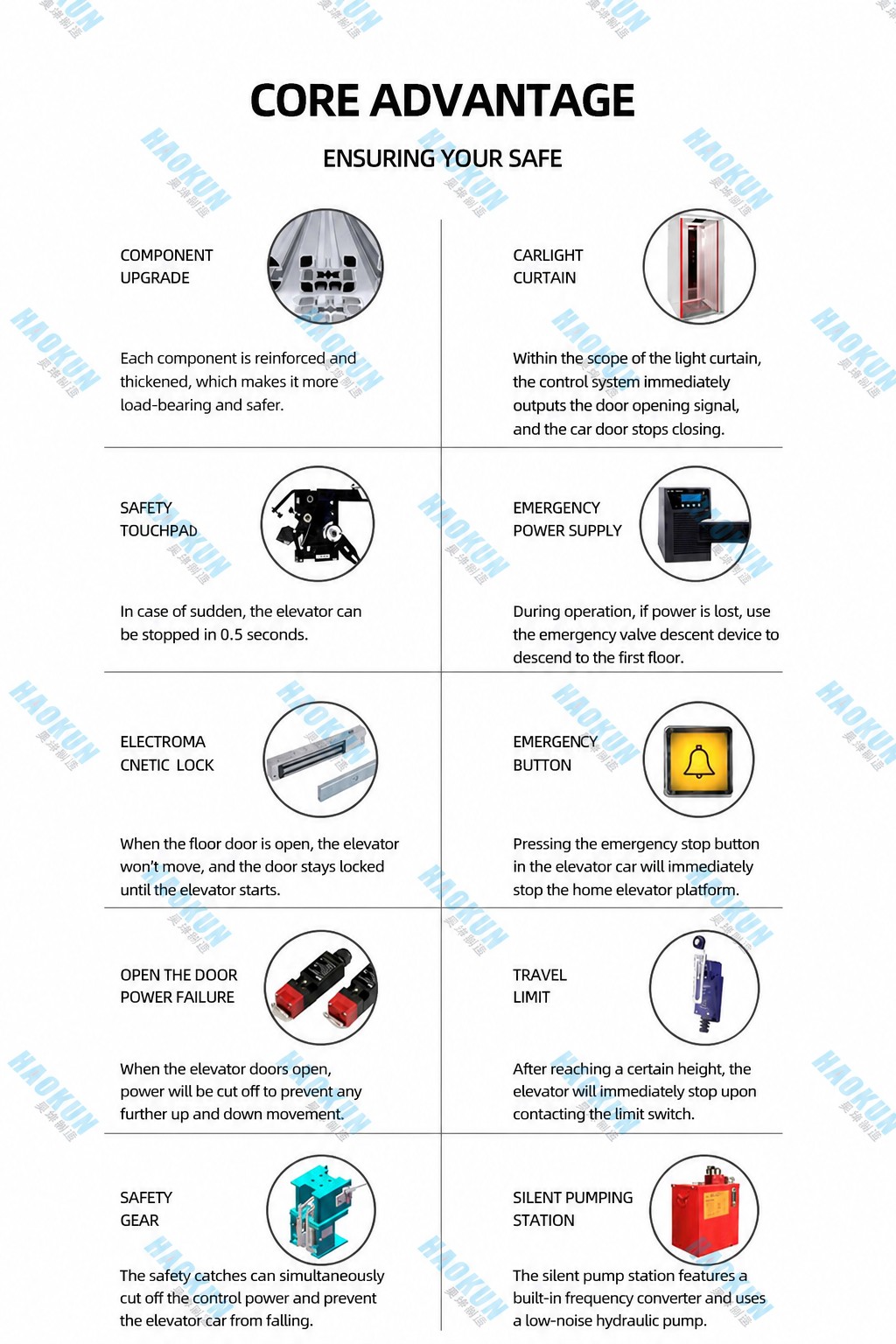
5. The Overspeed Governor and Safety Gear: Your Last Line of Defense
These two components are the elevator’s ultimate safety system. They activate automatically if the elevator ever exceeds its rated speed — a scenario that is extremely rare but must be prepared for.
How it works:
The overspeed governor is a mechanical device that monitors the elevator’s speed. If the car moves too fast, the governor locks and pulls a lever that activates the safety gear — wedges or rollers that grip the guide rails and bring the car to a controlled stop.
Homeowner takeaway:
- You will probably never see this system activate, and that’s a good thing. But it must be tested during annual service to ensure it works.
- The governor rope and mechanism must be kept clean and dry. Never allow anyone to paint, lubricate, or obstruct these components.
- If the safety gear ever activates (even during testing), the guide rails should be inspected for scoring afterward.
6. Door Safety: The Most Frequently Used System
Your elevator doors open and close every single time someone uses the elevator. They are the most likely part to develop minor issues — and also the most important for family safety, especially with children and pets.
Monthly door checks:
- Watch the doors close. They should move smoothly without dragging or hesitating.
- Test the safety mechanism: as the doors are closing, place your hand (or a rolled-up magazine) in the doorway. The doors should reverse immediately. If they don’t — call for service today, not tomorrow.
- Check the door track (the groove at the bottom of the door opening) for debris. Small stones, pet hair, or dirt can prevent the door from closing properly.
- Verify that the car door and each landing door interlock correctly: the elevator should not move unless all doors are fully closed and locked.
With children:
- Teach children never to lean on elevator doors or try to force them open.
- Explain that the alarm button is for emergencies only — not for play.
7. The Machine Room: Keep It Clean, Cool, and Accessible
Traction elevators usually have the motor and control equipment in a dedicated machine room — often at the top of the hoistway or in an adjacent utility space.
What good looks like:
- Clean, dust-free floor and equipment surfaces
- Stable temperature — ideally between 15–30°C. If the room feels uncomfortably hot in summer, the equipment is overheating too.
- No storage items. The machine room is not a storage closet. Boxes, decorations, and household items create fire risk and block access for technicians.
- Lighting works so technicians can see clearly during service visits
- The door to the machine room should be lockable to prevent children or guests from entering
Summer warning: The motor and variable frequency drive (VFD) generate heat during operation. If the machine room lacks ventilation, install a vent or small air conditioner. An overheated VFD is one of the most common and expensive failures in home elevator systems.
8. Seasonal Checks for Home Elevators
Home elevators see far fewer cycles than commercial ones, which means seasonal changes can have a noticeable impact.
Spring / rainy season:
- Check the machine room and hoistway for any signs of dampness or water ingress
- Ropes and metal surfaces are more prone to surface rust in humid conditions — your annual service should include a close inspection
- If your home has been closed up for a season (holiday home, for example), cycle the elevator several times before relying on it
Summer:
- Hot weather stresses the motor and drive. If the machine room gets very hot, limit heavy use during the hottest part of the day or add cooling.
- Listen for the cooling fan in the VFD cabinet — if it fails, the drive can overheat quickly.
Autumn / winter:
- Cold temperatures don’t affect traction elevators as much as hydraulic ones, but very cold machine rooms can make lubricants thicker. A brief warm-up cycle (one full up-and-down trip with no passengers) on very cold mornings is a good habit.
- Check that the machine room heater (if installed) is functional before winter sets in.
9. What a Professional Annual Service Should Cover
Even if your elevator seems to be working perfectly, schedule a comprehensive professional inspection once a year.
Annual service checklist:
| System | What your technician should check |
|---|---|
| Wire ropes | Individual strand inspection, diameter measurement, tension balance |
| Sheave | Groove wear measurement, surface condition, bearing sound |
| Brake | Lining thickness, air gap, engagement/release timing, braking distance |
| Overspeed governor | Trip speed calibration, rope tension, electrical switch function |
| Safety gear | Free movement, gripping surface condition, controlled test |
| Motor | Bearing noise, insulation resistance, operating temperature |
| Drive (VFD) | Cabinet cleanliness, fan operation, parameter verification, connection tightness |
| Doors | Track cleanliness, roller condition, safety edge/photocell test, interlock function |
| Control system | All buttons and indicators, floor leveling accuracy, emergency communication |
| Guide rails and rollers | Cleanliness, lubrication, roller bearing condition, alignment |
| Counterweight | Frame security, guide shoe condition, buffer check |
10. Simple Monthly Checks You Can Do Yourself
Set aside 15 minutes each month. This routine catches most developing problems:
- Take a ride on every floor. Is the start smooth? Is the stop gentle? Is the floor level accurate?
- Listen during the ride. Any new noise, vibration, or change from last month?
- Watch the doors open and close at each floor. Smooth movement? No hesitation or stuttering?
- Test door safety: block the door during closing — does it reverse immediately?
- Press the in-car alarm button. Does it sound? Does the intercom/phone connect?
- Visit the machine room. Is it clean? Is the temperature reasonable? Any unusual smell?
- Check that all landing call buttons and indicator lights work correctly.
11. When to Call for Help Immediately
Some problems can wait for the next scheduled service. These cannot:
- Any burning smell from the machine room — shut off the main power disconnect and call a technician
- The car doesn’t stop level with the floor — a significant gap (more than 2–3 cm) is a trip hazard and indicates a control or brake problem
- Doors do not close, or close but the elevator still moves — a serious safety interlock failure
- Unusual noises — banging, grinding, metallic scraping, or loud squealing
- The elevator stops between floors with people inside — this is a rescue situation. Use the emergency communication system. Never attempt to extract passengers yourself.
- After a power outage, if the elevator behaves differently than before — have it checked
Maintenance at a Glance
| Frequency | What to Do |
|---|---|
| Monthly | Ride test, door safety test, alarm test, machine room visual check |
| Quarterly | Door track cleaning, all indicator and button test, machine room temperature check |
| Semi-annual | Professional inspection (especially for high-use families) |
| Annually | Full professional service — ropes, brake, sheave, safety gear, full electrical |
| Every 5 years | Rope condition assessment; sheave wear measurement |
| Every 10–15 years | Rope replacement (sooner if inspection indicates) |
For professional maintenance service or specific guidance on your HAOKUN home traction elevator, contact our support team. We are committed to helping your elevator serve your family safely and comfortably for decades.
Contact HAOKUN:
- Phone: +86 132 1058 1168
- Email: sales01@haokungroups.com
- Website: haokungroups.com