


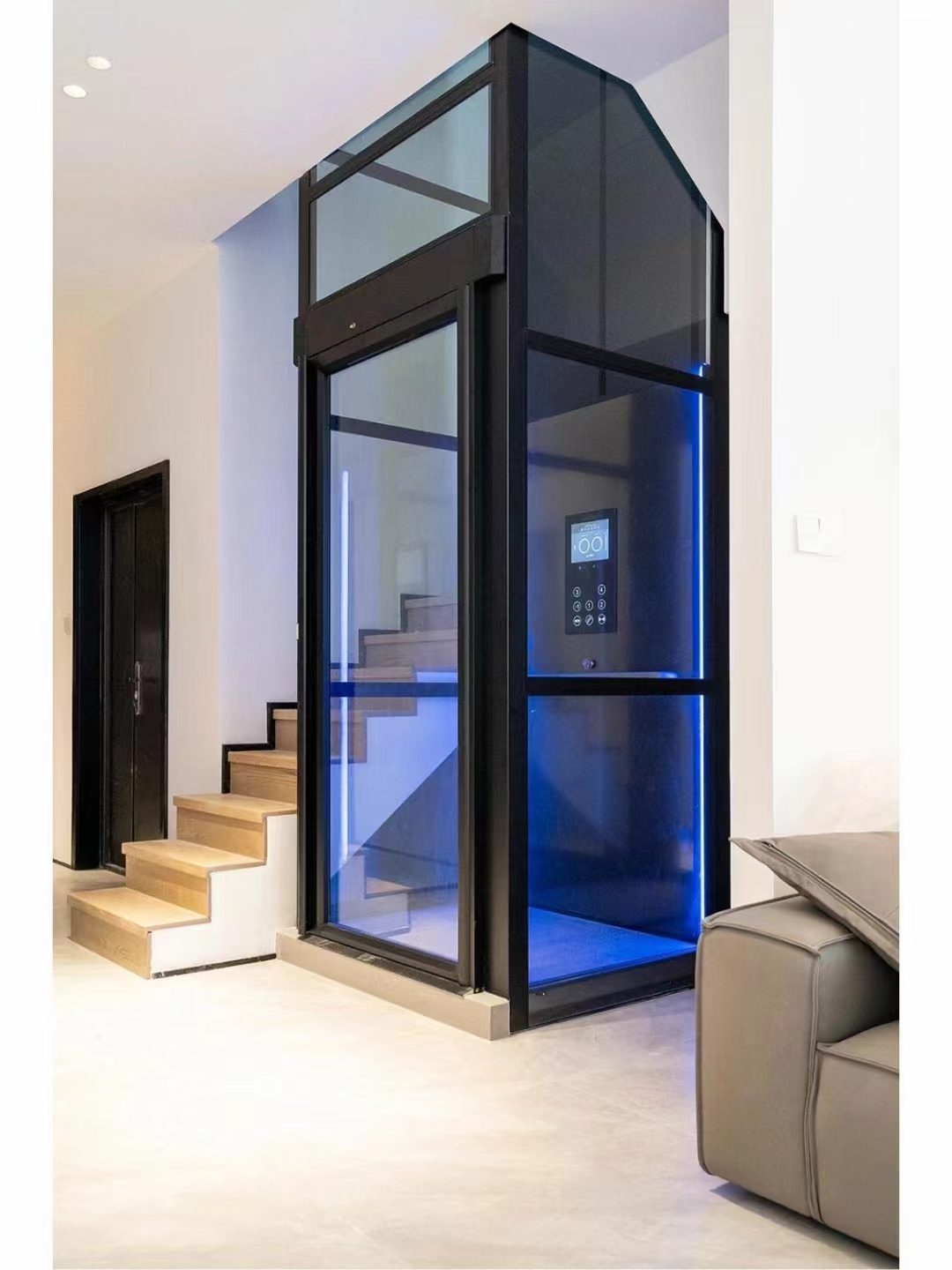
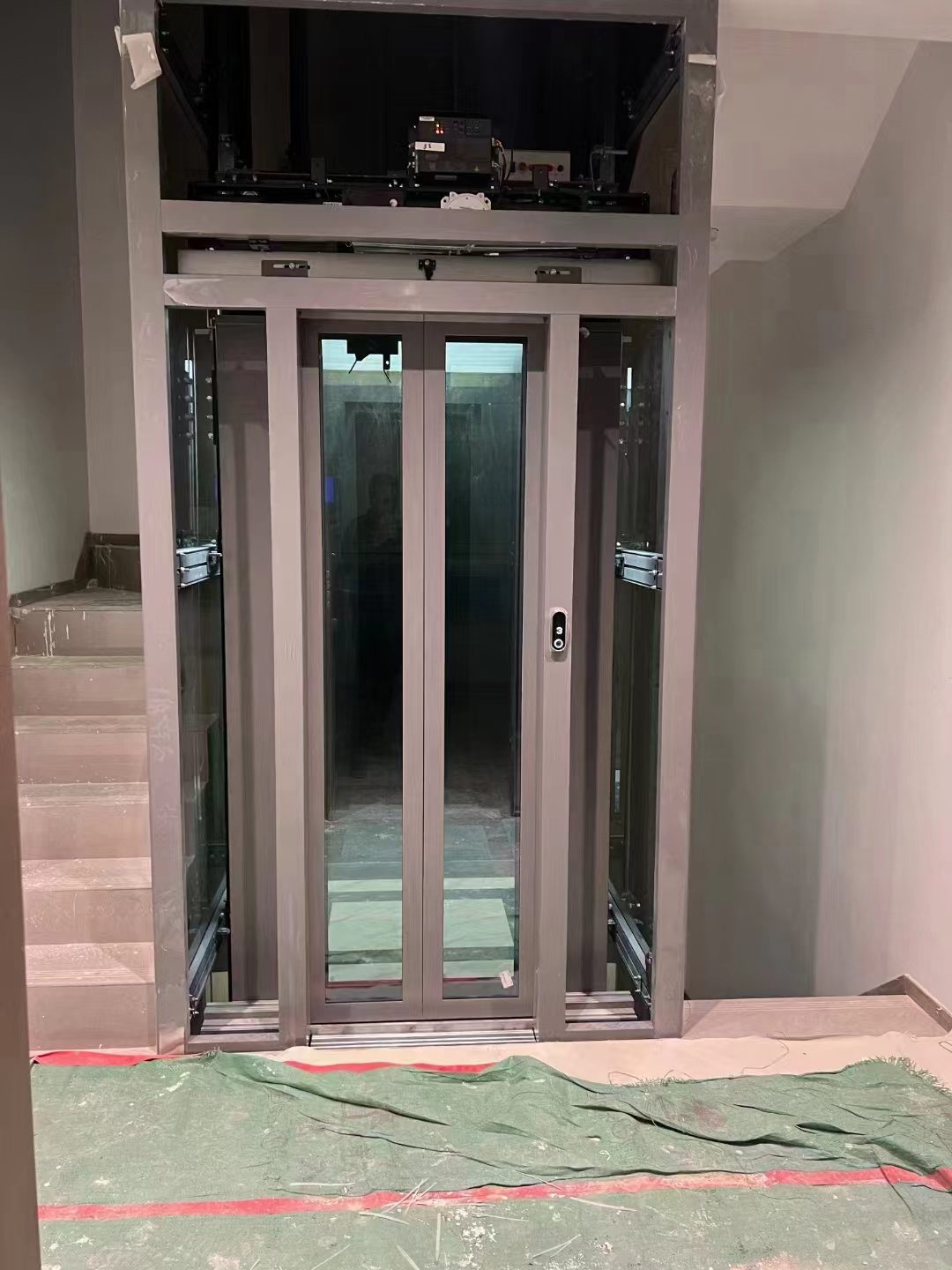
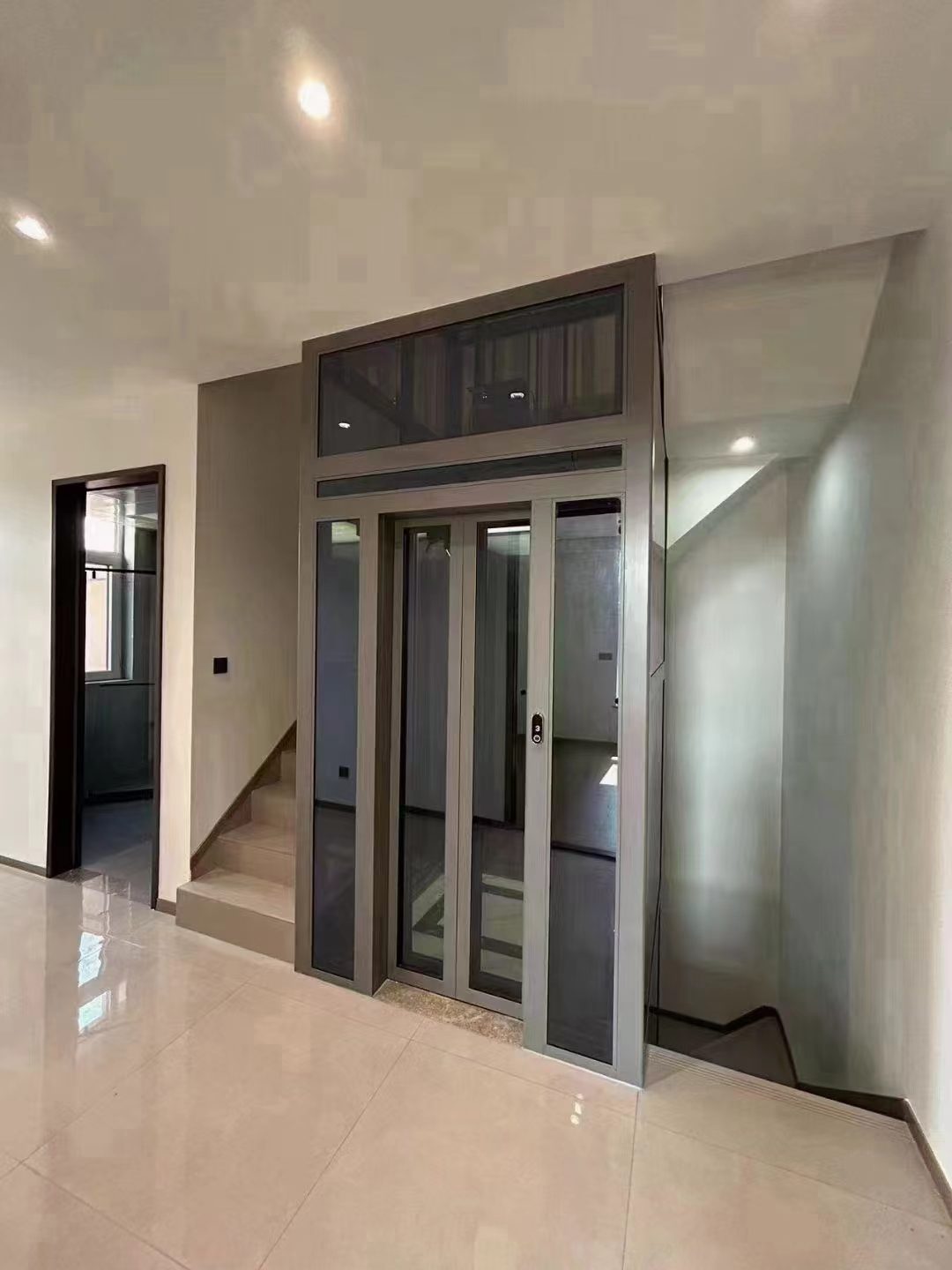

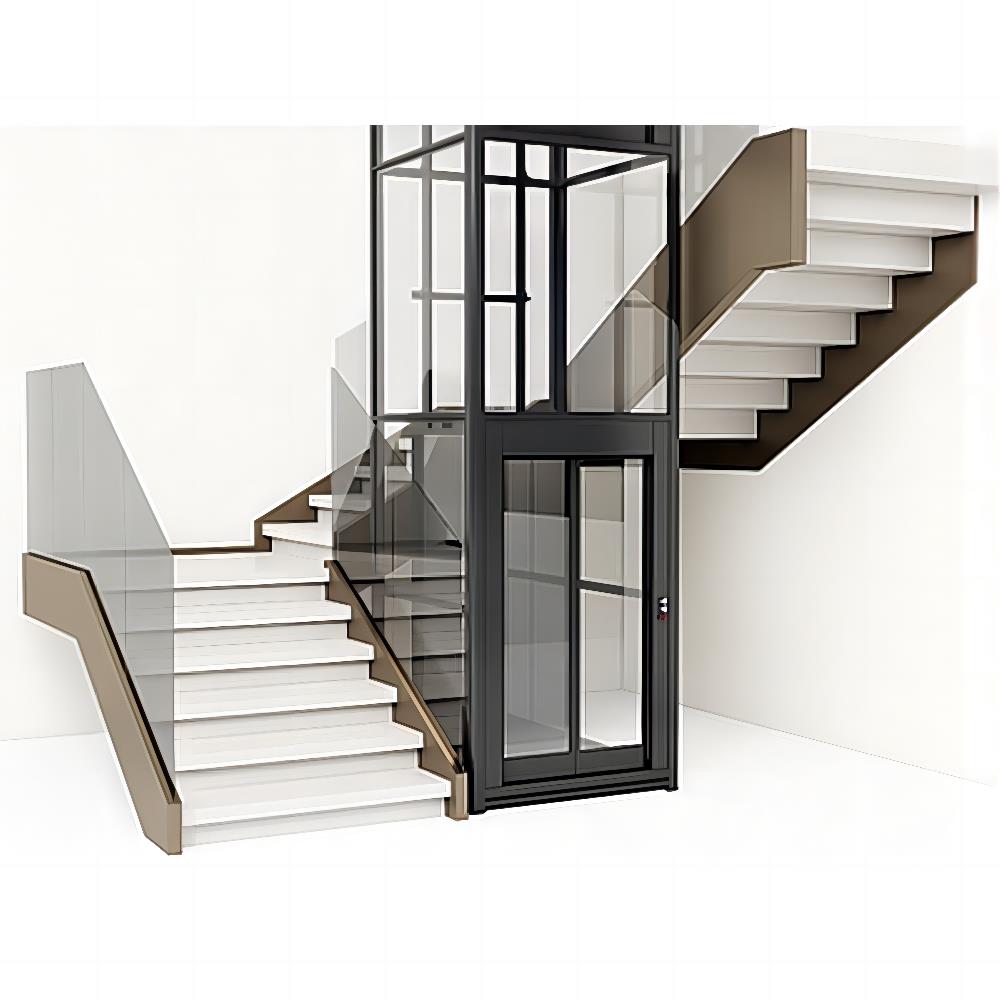

A hydraulic home elevator offers smooth, quiet rides and the ability to handle heavy loads — making it an excellent choice for multi-story residences. Unlike commercial elevators that run hundreds of cycles a day, your home elevator operates far less frequently. But that doesn’t mean maintenance can be ignored. In fact, infrequent use brings its own challenges, such as seal drying and fluid stagnation.
This guide is written for homeowners who want to understand what their hydraulic home elevator needs to stay safe, quiet, and reliable for years to come.
1. Understanding Your Hydraulic Home Elevator
Before diving into maintenance, it helps to understand how your elevator works.
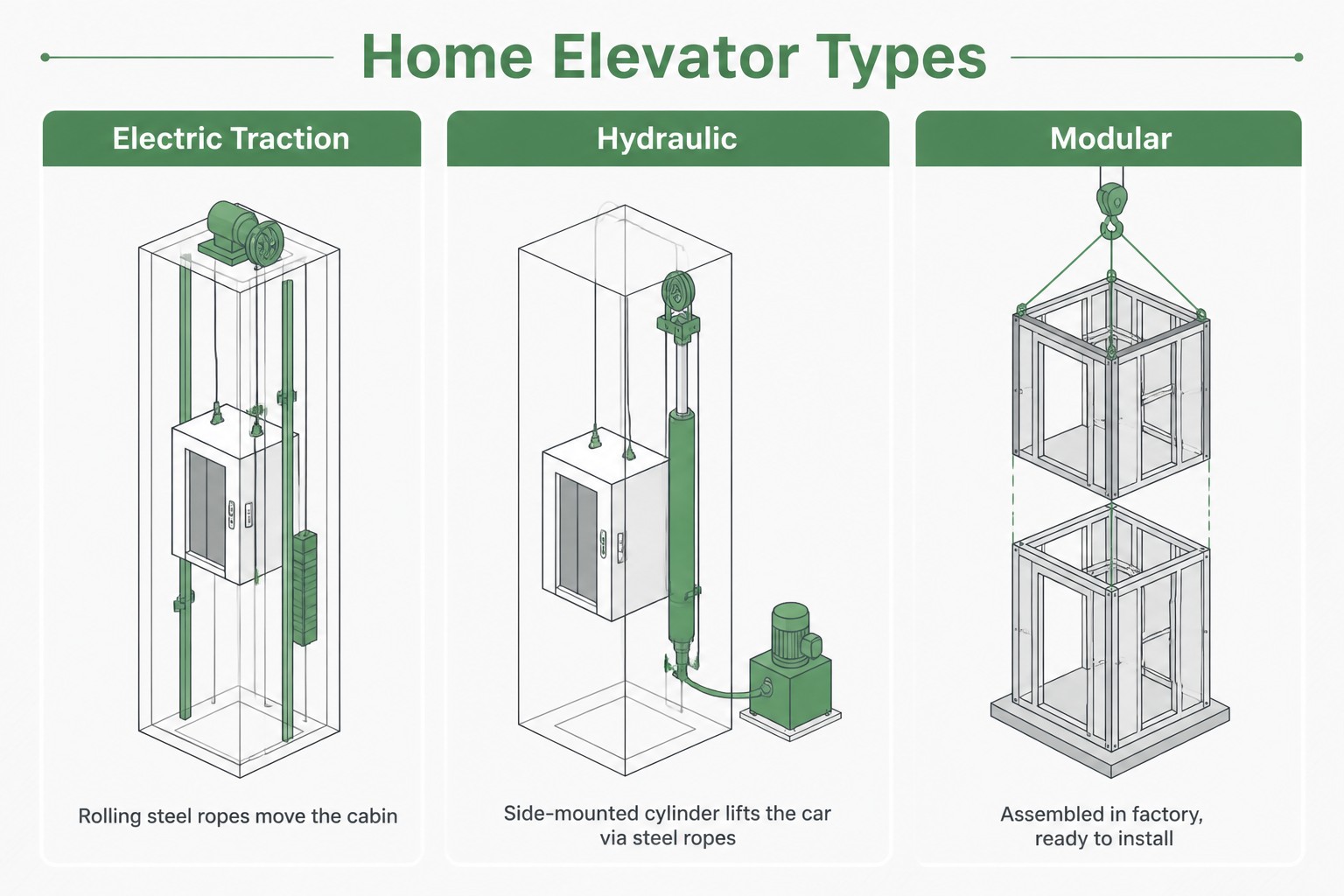
A hydraulic home elevator lifts the car using a hydraulic cylinder — essentially a large piston filled with oil. An electric pump pushes oil into the cylinder, raising the car. To descend, the control valve opens and the car lowers under its own weight as oil returns to the tank.
What this means for maintenance:
- No oil = no lift. Keeping the hydraulic system healthy is everything.
- The ride should be smooth and quiet. Jerky movement or unusual noise is a warning sign.
- Even if you only use the elevator a few times a week, the system needs regular attention.
2. Hydraulic Oil: The One Thing You Cannot Neglect
Homeowner tip: Think of hydraulic oil like the oil in your car — it degrades over time even when you’re not driving much.
Oil level:
- Check the oil level every 3 months. Look at the sight glass on the hydraulic tank when the elevator is at the ground floor (car fully lowered).
- If the level is low, there’s likely a leak somewhere. Topping up the oil without finding the leak is a temporary fix that will cost you more later.
Oil condition:
- Fresh hydraulic oil is clear and amber. If it looks dark, cloudy, or has a burnt smell, it needs changing.
- In a typical home setting with light use, change the hydraulic oil every 2–3 years. If your home is in a humid area (near the sea, for example) or the equipment room gets hot in summer, shorten this to every 18 months.
What happens if you skip oil changes?
- Contaminated oil clogs valves, causing jerky or unpredictable movement.
- Degraded oil loses its lubricating properties, wearing out the pump and seals faster.
- Water contamination (from humidity) causes internal rust — a very expensive repair.
3. What to Look (and Listen) For
You don’t need to be an engineer to spot early warning signs. Pay attention during your daily use:
Sounds:
- Normal: A low hum from the pump during lifting. Quiet during descent.
- Warning sign: Whining or screeching — this could mean low oil, air in the system, or a worn pump.
- Warning sign: Knocking or banging — stop using the elevator and call a technician immediately. This could indicate a loose component or cylinder problem.
Movement:
- Normal: Smooth, steady ascent and descent with a gentle stop at each floor.
- Warning sign: Jerky or hesitant movement — often a sign of dirty oil or a sticking valve.
- Warning sign: The car doesn’t stop level with the floor — could be a control valve issue or air in the hydraulic system.
Oil spots:
- A few drops of oil on the pit floor are worth investigating but may not be urgent.
- A small puddle or visible wetness around the cylinder or hoses needs professional attention.
4. Safety Systems Every Homeowner Should Know About
Your hydraulic home elevator has several built-in safety features. Make sure you know how they work — and that they’re tested regularly.
Overload protection:
- Your elevator has a maximum weight capacity (typically 250–400 kg for home models). Exceeding it won’t make the elevator collapse — the overload sensor will prevent it from moving. If your elevator refuses to move when you think it should, check whether you’ve loaded too much.
- Never bypass or disable the overload sensor. It is protecting your family and the equipment.
Pilot-operated check valve (anti-drift):
- This valve locks oil in the cylinder so the car cannot sink unexpectedly — even if a hose bursts. It works passively, meaning it requires no power.
- How to check: After the elevator stops at an upper floor, watch the floor indicator for a few minutes. If the car drifts downward noticeably, have the check valve inspected.
Emergency lowering:
- In a power failure, your hydraulic elevator can be lowered manually using the emergency lowering valve. Make sure you know where this valve is and how to operate it.
- Have your installer show you the emergency lowering procedure. Keep the area around the valve clear and accessible.
Emergency stop and alarm:
- Test the in-car alarm button and emergency phone/intercom at least once a month. In a real emergency, these are your family’s lifeline.
- If your elevator has a battery backup for lighting and alarm, test it by switching off the main power briefly and confirming the lights and alarm still work.
5. The Equipment Room: Keep It Clean and Cool
Your hydraulic power unit lives in a dedicated space — usually a closet, garage corner, or basement utility room.
What good looks like:
- Clean floor, no dust buildup on the pump or motor
- Good ventilation — the room shouldn’t feel hot or stuffy
- No storage items stacked against or near the power unit
- Easy access to the emergency lowering valve and main power disconnect
What causes problems:
- Storing boxes, cleaning supplies, or garden equipment next to the power unit blocks ventilation and creates a fire hazard
- Dust and pet hair accumulating on the motor can cause overheating
- A room that gets very hot in summer (above 40°C) degrades hydraulic oil much faster
6. Seasonal Checks for Your Home Elevator
Home elevators don’t see constant use, so seasonal changes have a bigger impact than you might think.
Spring / rainy season:
- Check for any signs of water ingress in the pit or equipment room. Even a small leak in the foundation can create humidity that causes rust.
- Run the elevator through several full cycles to circulate the hydraulic oil and lubricate seals.
Summer:
- On very hot days, the equipment room may overheat. If possible, leave the door open or run a small fan during heatwaves.
- Hot oil is thinner — you may notice the elevator feels slightly different. This is normal, but if the ride becomes very sluggish, have it checked.
Autumn / winter:
- Cold oil is thicker. On the first cold morning of the season, the elevator may run slightly slower. This is normal and should improve after a cycle or two.
- If you live in an area that freezes and the equipment room is unheated, consider a small space heater set to keep the room above 5°C. This applies to garages and separate utility buildings especially.
7. What a Professional Service Visit Should Cover
Schedule a professional inspection at least once a year — even if the elevator seems to be working perfectly.
Annual service checklist for your technician:
| System | What they should check |
|---|---|
| Hydraulic oil | Level, condition, contamination test |
| Cylinder and seals | Visual inspection for leaks, rod surface condition |
| Pump and motor | Noise, temperature, mounting security |
| Hoses and fittings | Cracks, abrasion, tightness of connections |
| Guide rails | Cleanliness, lubrication, alignment |
| Safety valve (check valve) | Drift test, proper operation |
| Overload sensor | Functional test |
| Emergency systems | Alarm, intercom, battery backup, manual lowering |
| Doors and interlocks | Smooth operation, safety edge/photocell test |
| Control system | All buttons, indicators, floor leveling accuracy |
8. Simple Monthly Checks You Can Do Yourself
These take about 10 minutes. Pick a day each month (first Saturday, for example) and make it routine.
- Take a ride in your elevator. Does it start, run, and stop smoothly?
- Listen for any new or unusual sounds during the ride.
- Check that the car stops level with each floor — no big step up or down.
- Press the alarm button and confirm it sounds.
- Look at the pit (if accessible) and the equipment room floor for any oil spots.
- Check that the equipment room is clean, ventilated, and free of stored items.
- Operate every door and confirm they open/close smoothly.
9. When to Call for Help Immediately
Most elevator problems develop gradually, but some situations demand an immediate call to your service provider:
- Any burning smell from the equipment room — shut off power and call a technician
- The car drops or sinks when standing at a floor — do not use the elevator
- Oil leaking visibly — a few drops is one thing; a visible drip or puddle means a seal has failed
- The elevator makes a loud bang or grinding noise — stop using it and call for service
- Doors do not close or lock properly — the elevator should not operate, but if it does, get it checked immediately
Maintenance at a Glance
| Frequency | What to Do |
|---|---|
| Monthly | Ride test, noise check, alarm test, visual inspection for oil leaks |
| Quarterly | Oil level check, equipment room inspection, door safety test |
| Every 6 months | Professional inspection recommended for heavy-use homes (4+ people, daily use) |
| Annually | Full professional service — oil condition, safety systems, all components |
| Every 2–3 years | Hydraulic oil change (or sooner in harsh environments) |
For professional maintenance service or specific guidance on your HAOKUN home hydraulic elevator, contact our support team. We are happy to help your elevator serve your family safely for decades.
Contact HAOKUN:
- Phone: +86 132 1058 1168
- Email: sales01@haokungroups.com
- Website: haokungroups.com