
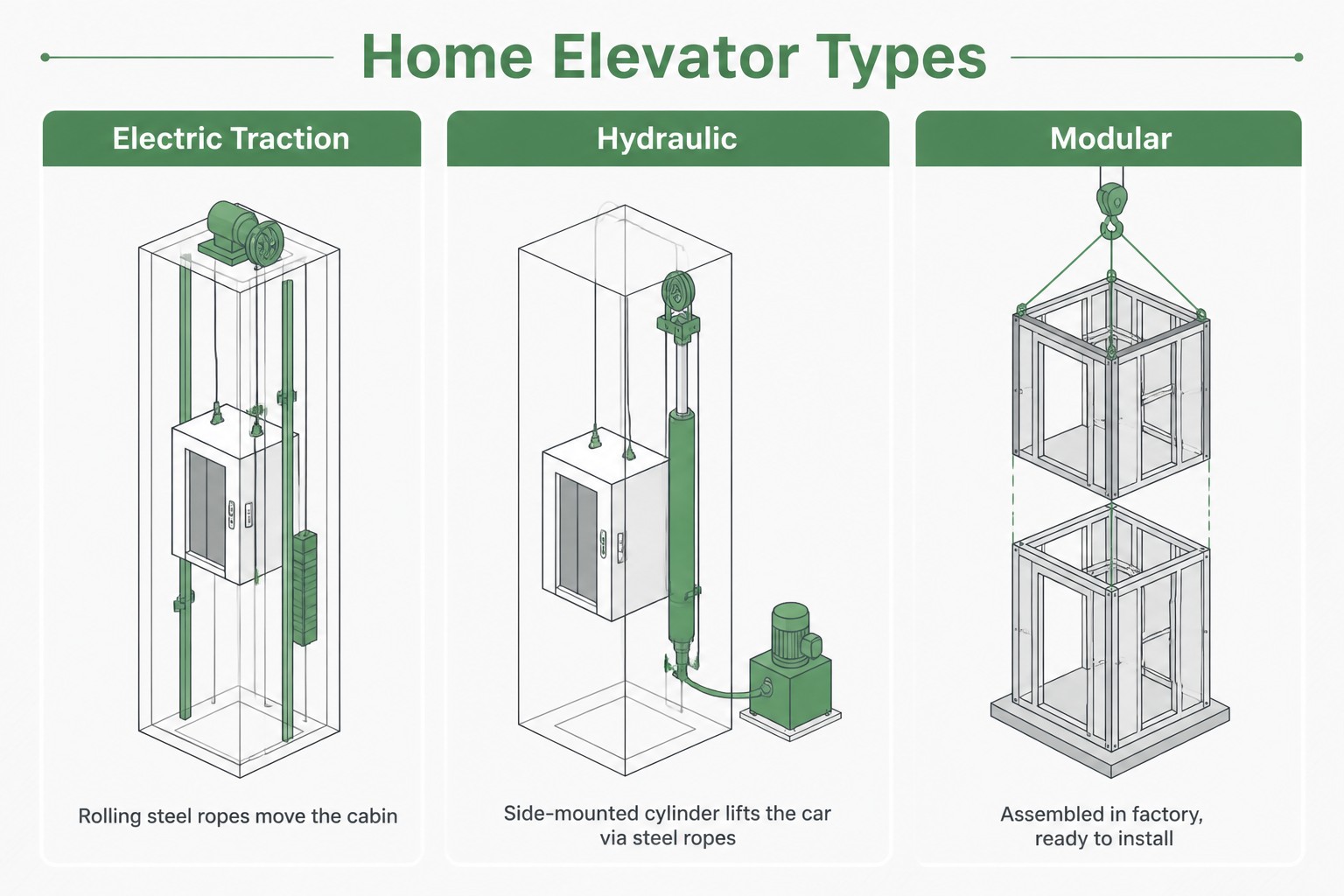
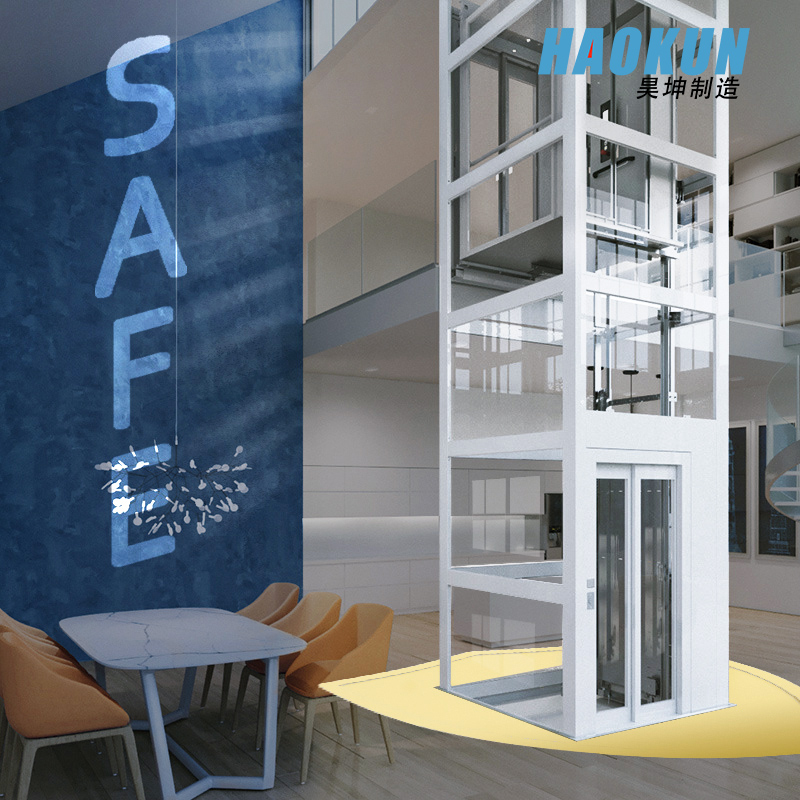
A home elevator is made up of two main parts: the drive unit (the machinery that lifts the car) and the enclosure (the cabin and the structure that encloses it). Understanding how these two components are priced helps you budget accurately — and avoid surprises.
HAOKUN supplies both drive units and enclosures separately, so you can buy exactly what your project needs. This guide explains the 2026 pricing for each, the differences between hydraulic and traction drive systems, and how to choose the right configuration for your home.
1. Understanding the Two Main Components
The Drive Unit (主机)
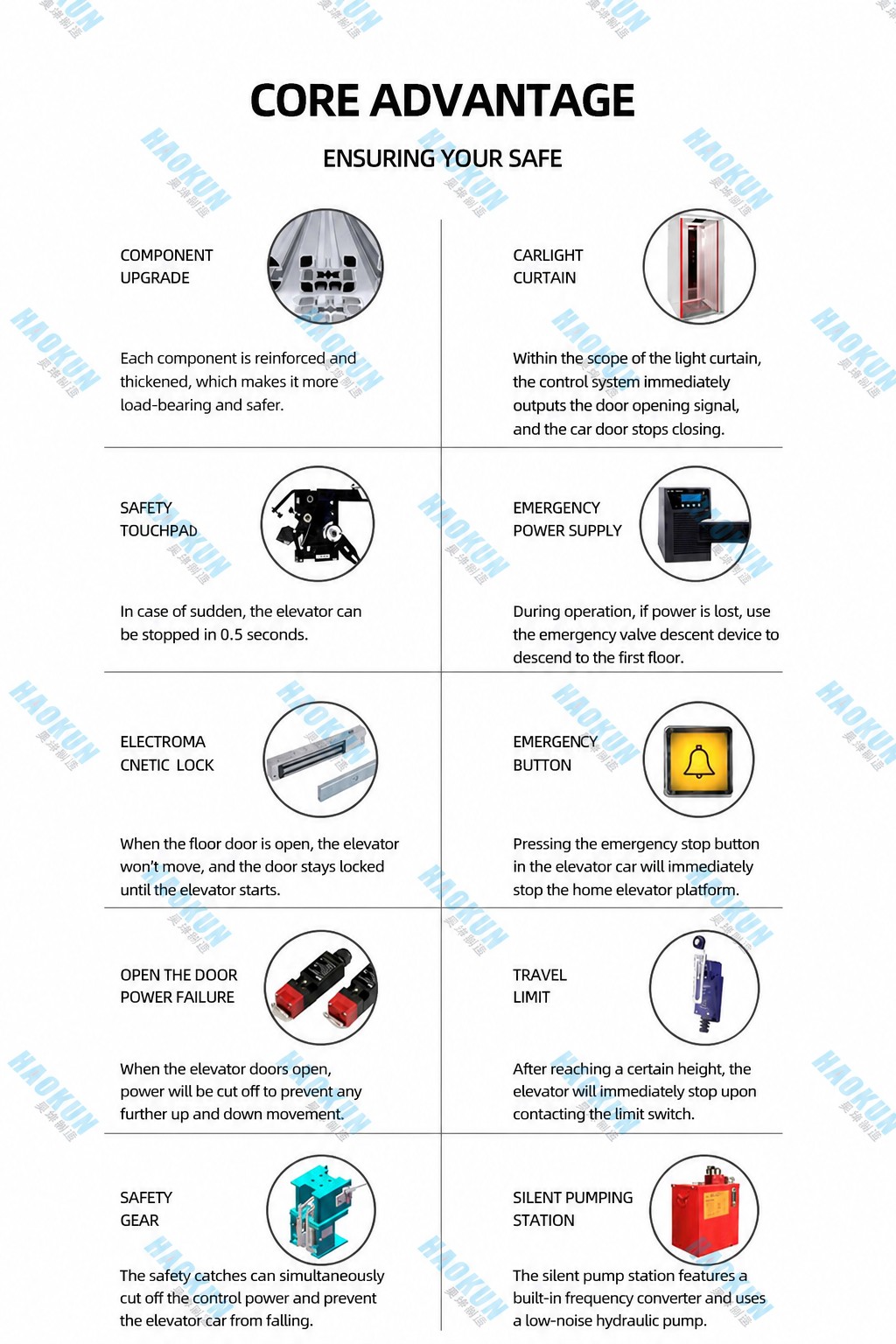
The drive unit is the heart of the elevator — the motor, hydraulic cylinder or traction machine, control system, and safety devices. This is the core technology that determines performance, reliability, and maintenance costs.
The Enclosure (外封)
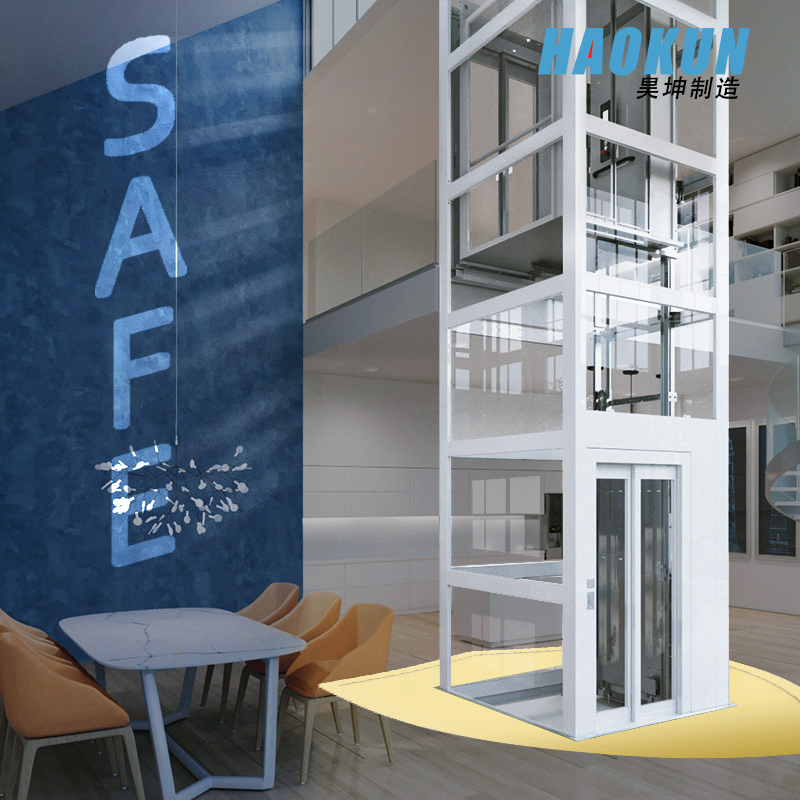
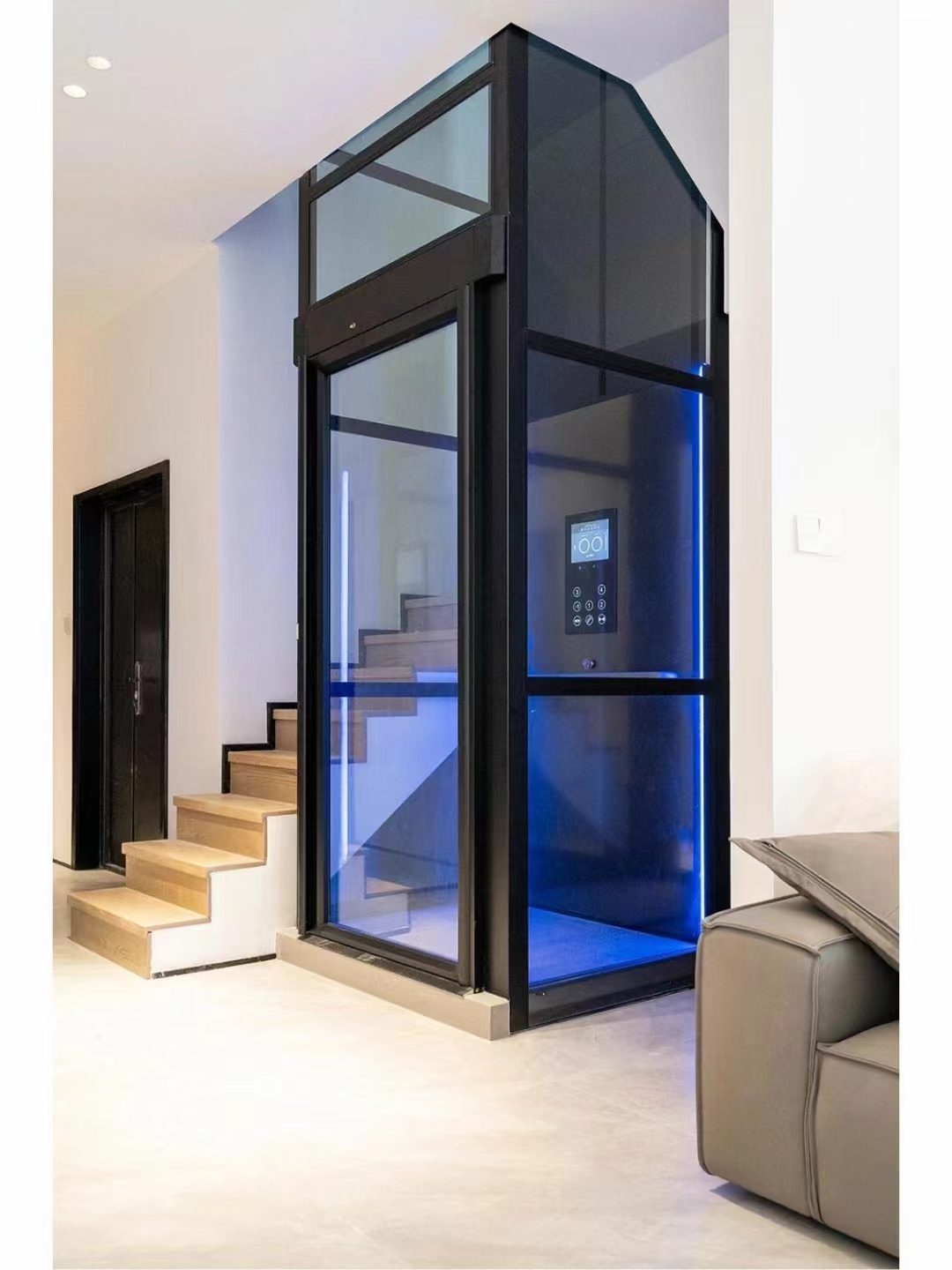
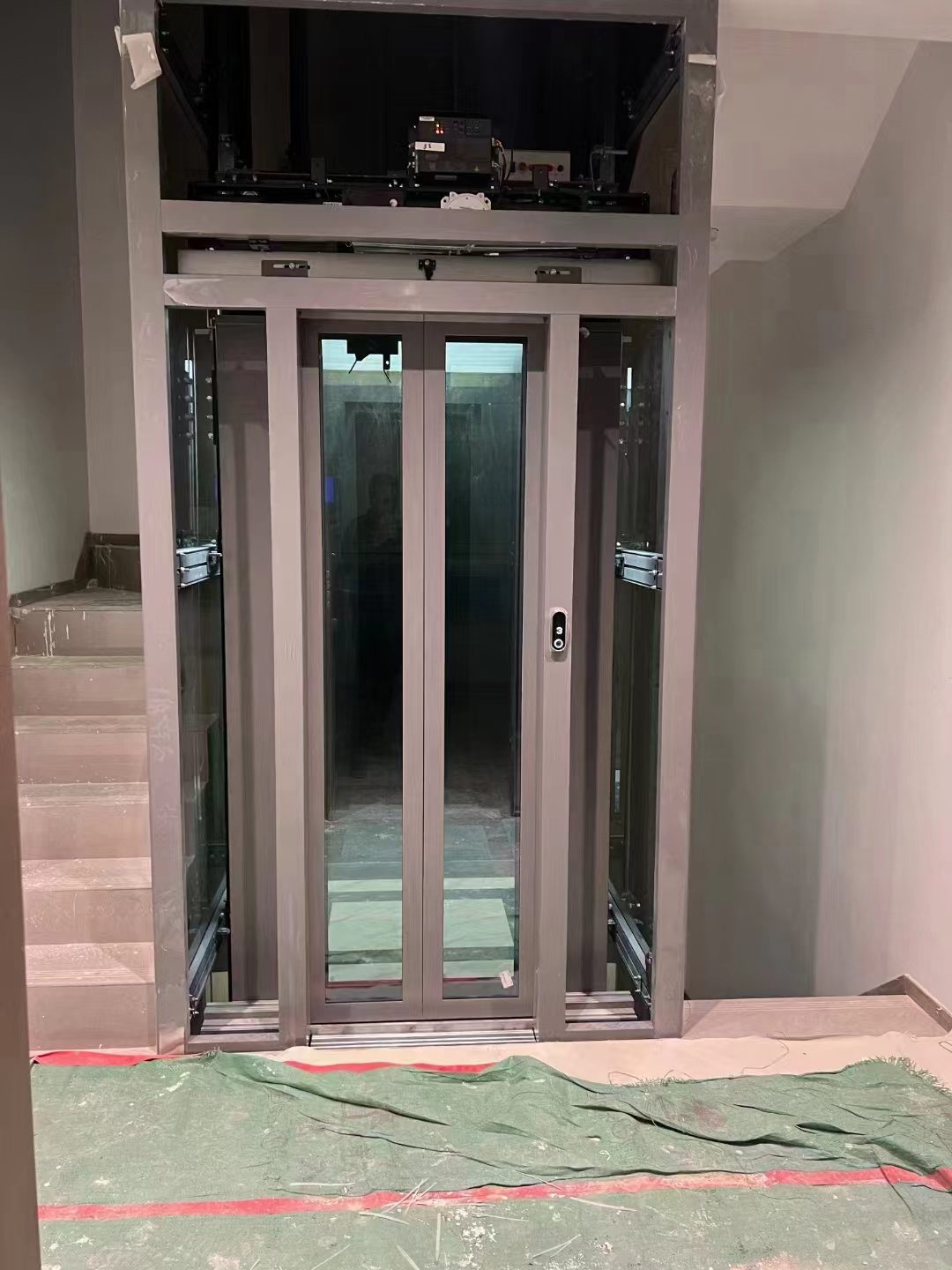
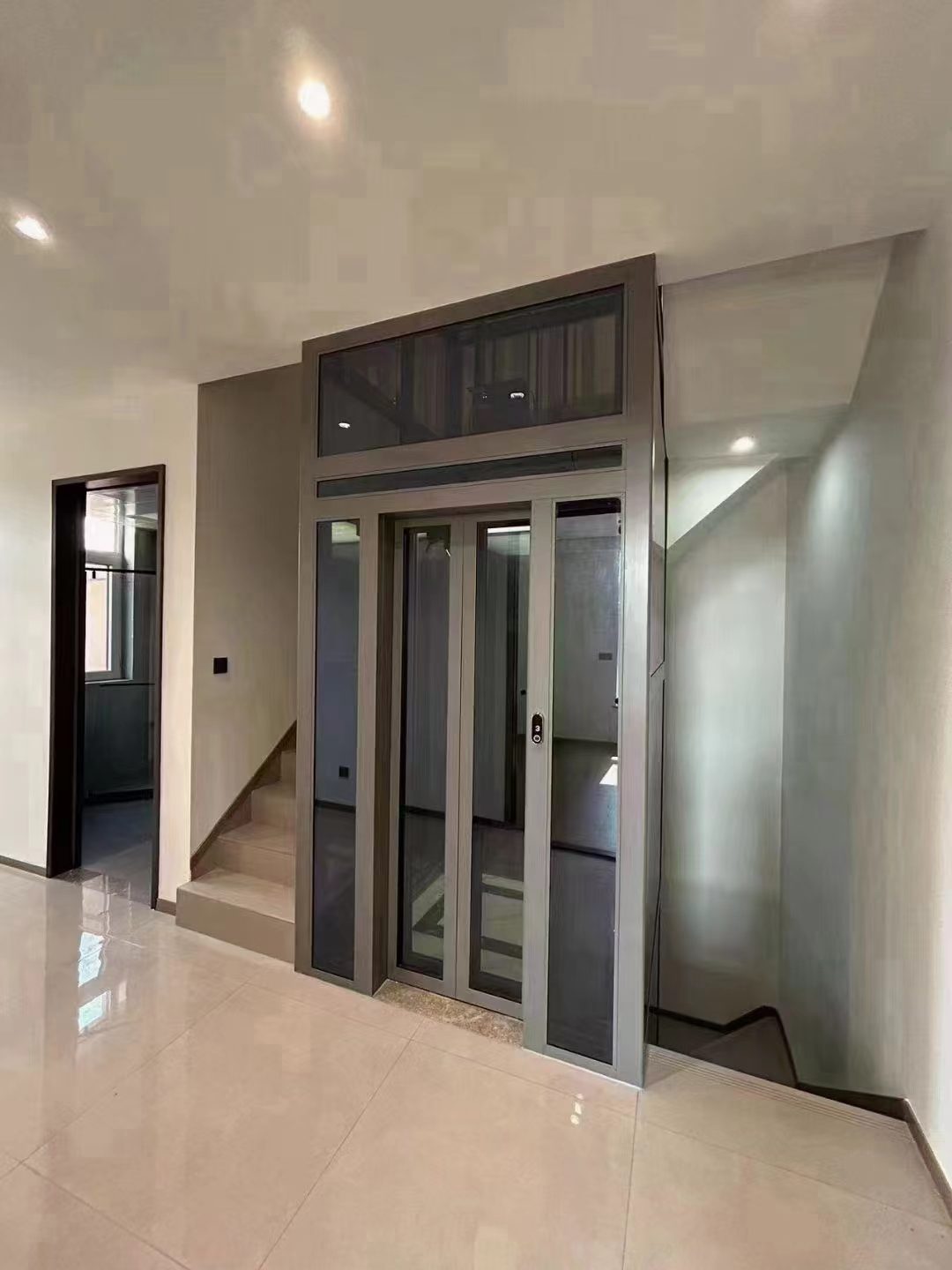
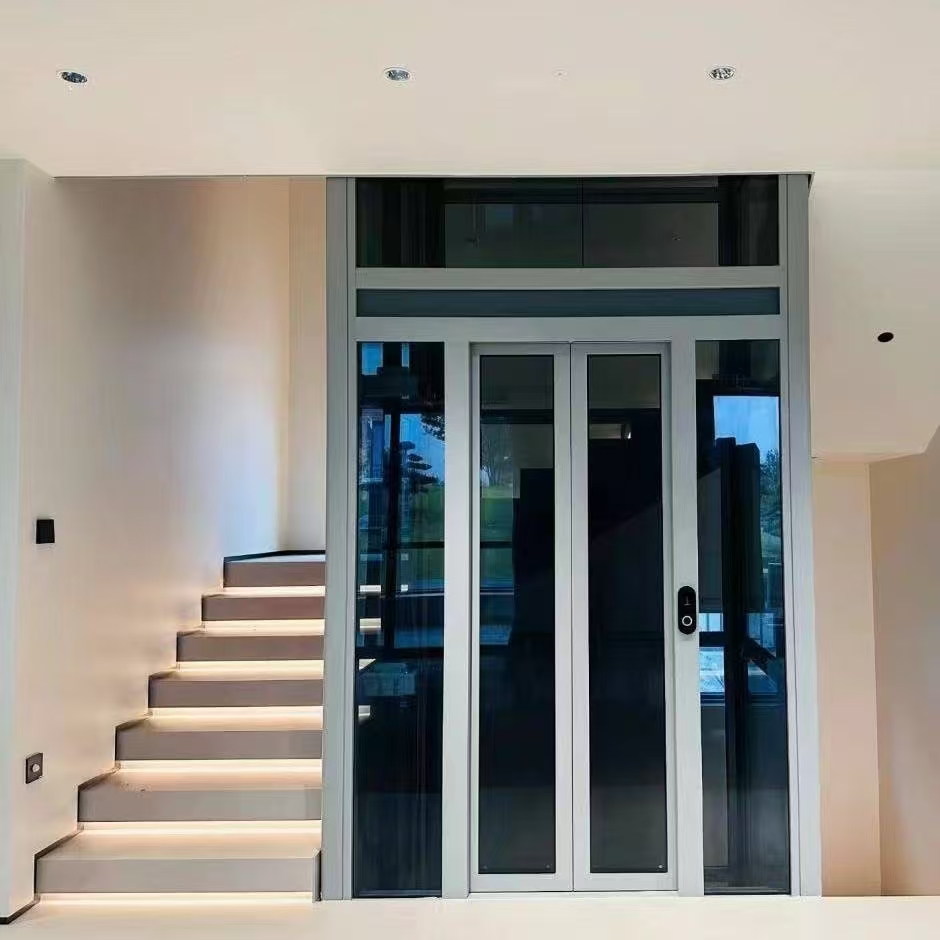
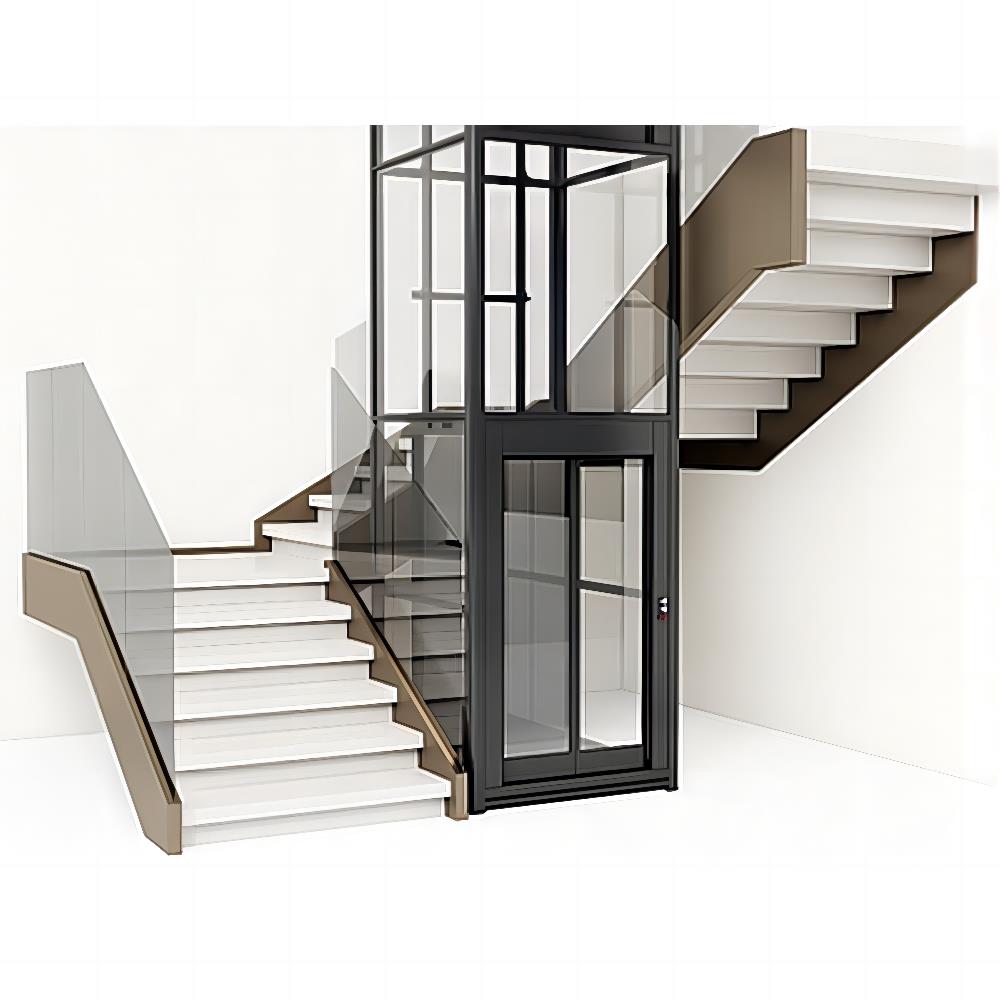
The enclosure is the visible structure: the cabin (car), the shaft frame, doors, and finishing materials. It determines the look of your elevator and protects users and the machinery.
Important: Before ordering, confirm with your supplier whether you need the enclosure at all. Some buyers already have a shaft or cabin arrangement in place and only need the drive unit. Others need the complete package — and if you need an enclosure, you must also decide: indoor or outdoor?
2. Enclosure (外封) Pricing: from $200/m²
The enclosure is priced per square meter, starting from $200/m², depending on the form, material, and whether it will be installed indoors or outdoors.
First: Do You Need an Enclosure?
- No — you have an existing shaft and/or cabin, and only need the drive unit
- Yes — you need the cabin, shaft structure, and doors supplied
Second: Indoor or Outdoor?
| Location | Considerations |
|---|---|
| Indoor (户内) | Standard finishing materials; no weather protection needed; lower cost |
| Outdoor (户外) | Weatherproof materials (corrosion-resistant coatings, sealed joints, UV-resistant finishes); higher cost — typically 20–40% more than indoor |
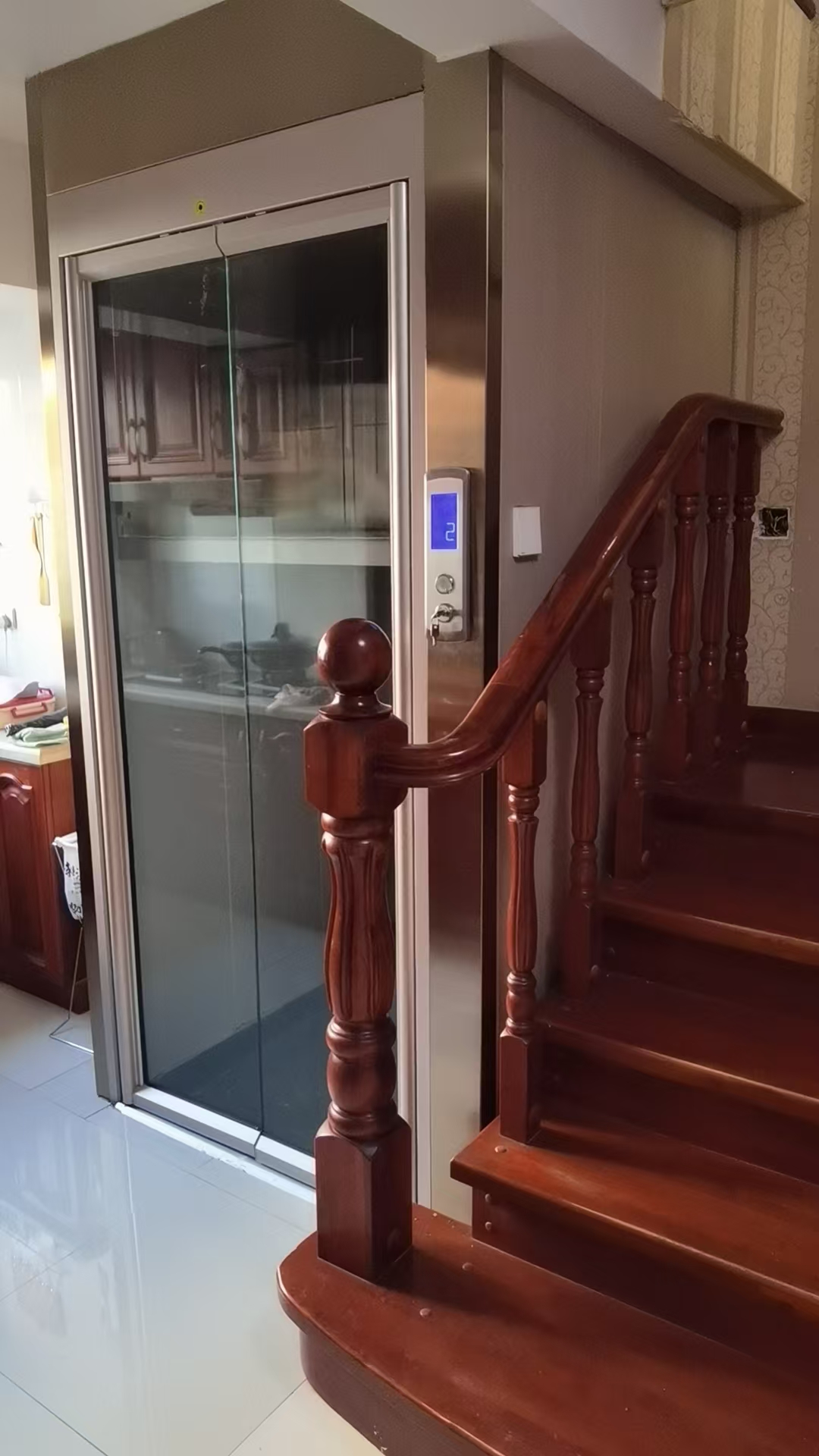
Enclosure Forms
Enclosures come in various forms to suit different homes and budgets:
- Standard steel / painted panels — the economical choice for indoor installations
- Glass enclosures — modern, transparent look; popular for stairwell and sightseeing installations
- Stainless steel — premium appearance, excellent durability, ideal for both indoor and outdoor
- Aluminum-frame structures — lightweight, corrosion-resistant, a good outdoor option
- Self-supporting steel frame + panels — a complete solution when no shaft exists
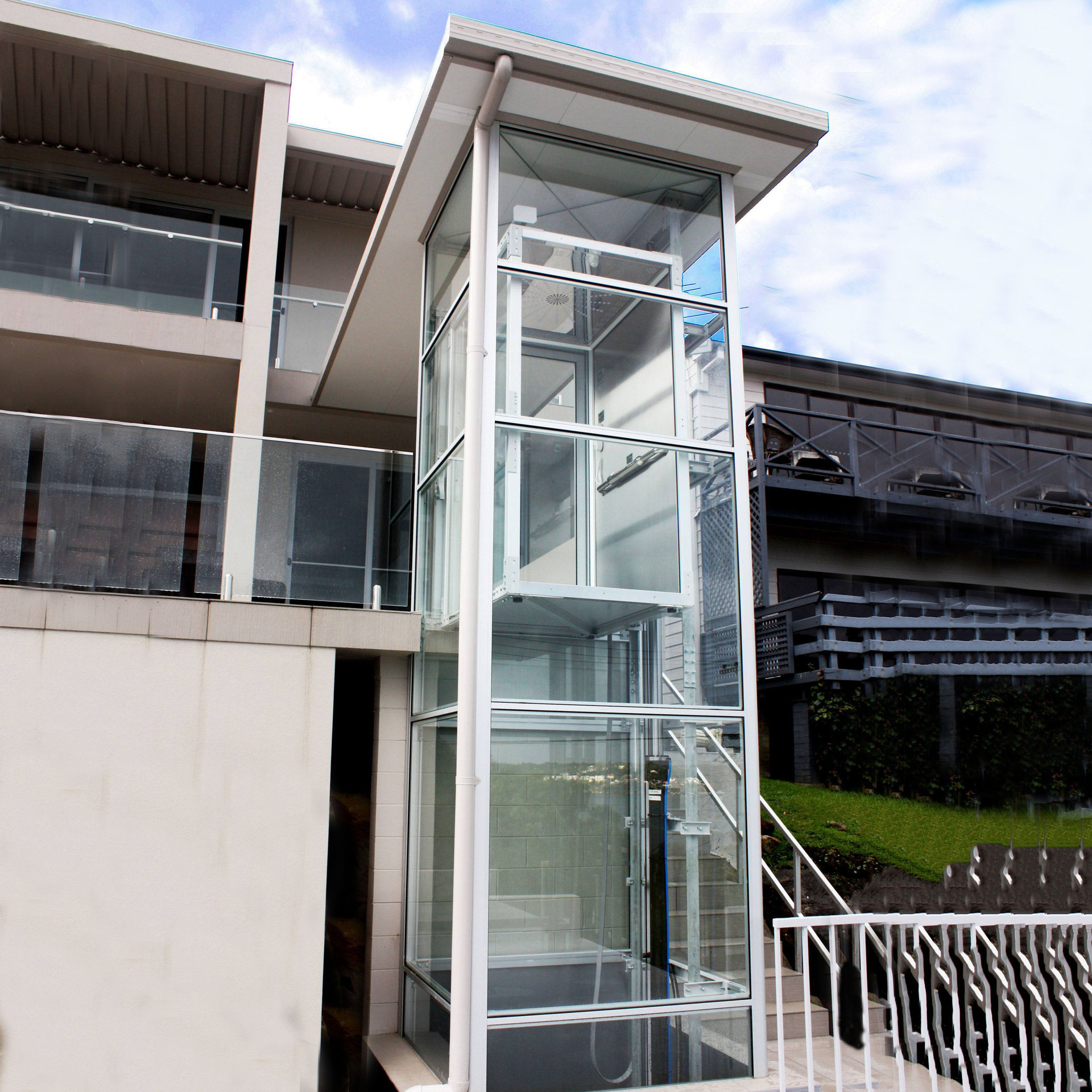
> Pricing: from $200/m², rising with material grade, glass area, and outdoor requirements. Always request a per-square-meter quotation with the total surface area itemized.
3. Drive Unit (主机) Pricing: Hydraulic vs. Traction
HAOKUN drive units are available in two structures — hydraulic and traction — each with different starting prices and characteristics.
| Drive Type | Starting Price | Best For |
|---|---|---|
| Hydraulic (液压结构) | from $3,000 | 2–3 storey homes, budget-conscious projects |
| Traction (曳引结构) | from $8,500 | 3+ storey homes, quiet and low-maintenance priorities |
4. Hydraulic Drive: Pros and Cons
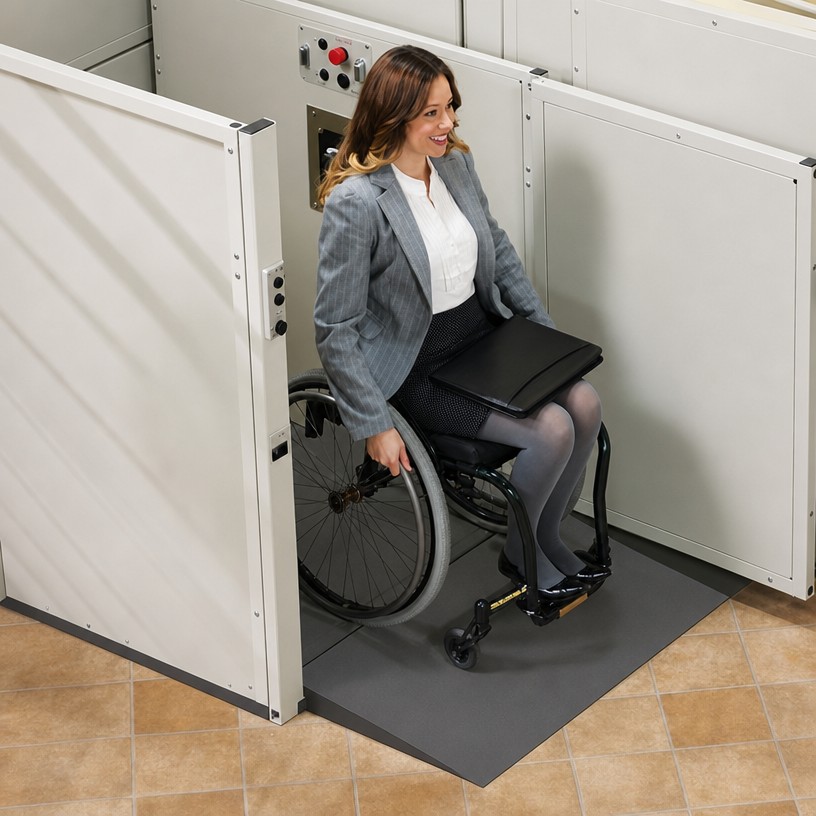
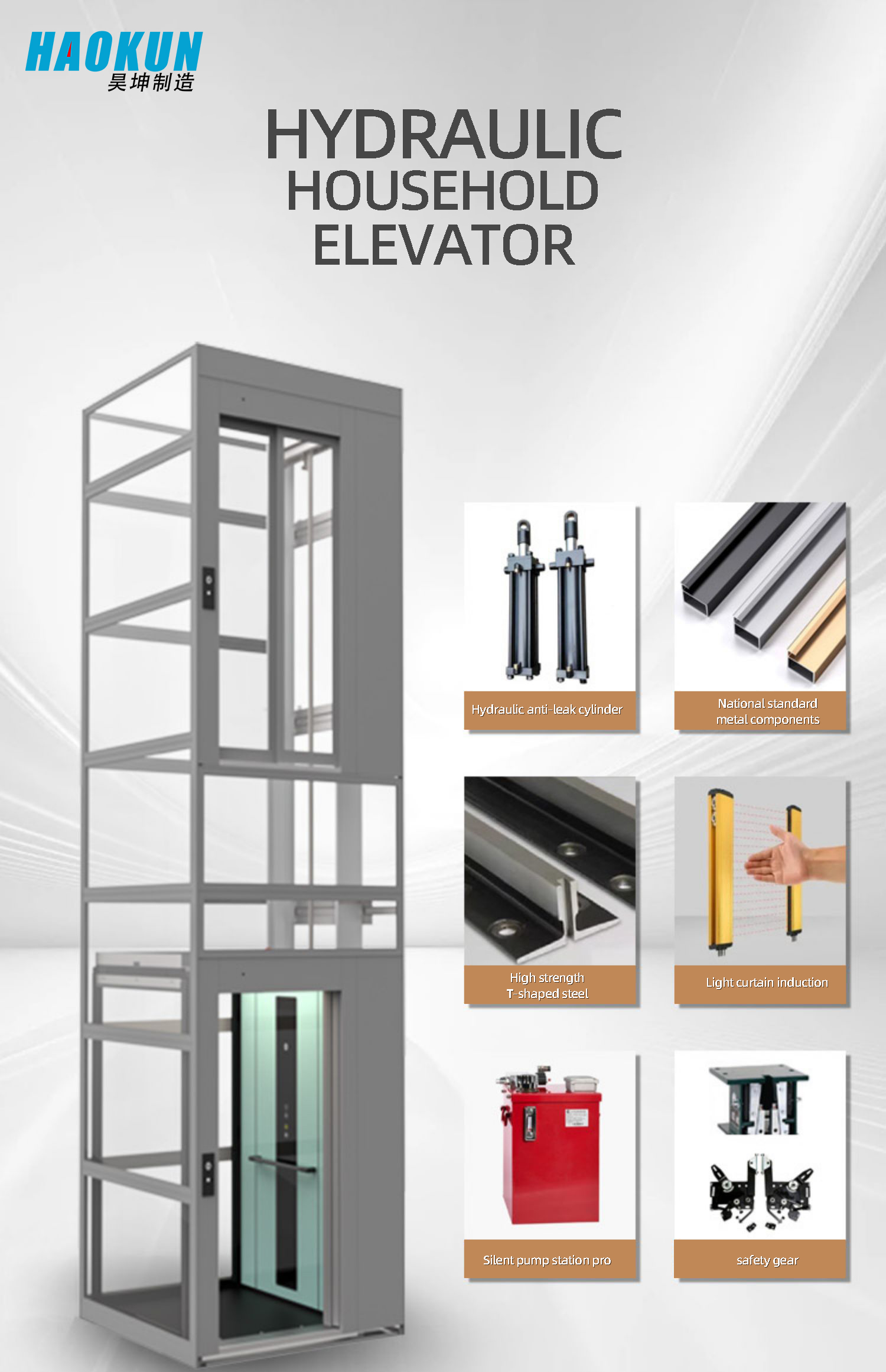
Hydraulic elevators use a piston and oil-powered pump to lift the car. They are the most widely used system in low-rise residential projects worldwide.
Advantages
- Lower initial cost — starting from $3,000, the most affordable drive unit option
- Heavy load capacity — hydraulic systems handle heavy loads with ease
- Smooth, controlled movement — gradual acceleration and deceleration
- Simple, proven technology — easy to understand and service
- Ideal for 2–3 storey homes — perfectly matched to the lift heights and speeds of low-rise residential use
Disadvantages
- Needs a machine room — the pump and oil tank require dedicated space (though compact units exist)
- Higher maintenance cost — hydraulic oil must be changed periodically; seals and valves wear with use
- Higher failure rate over time — more moving parts under pressure, especially in heavy use
- Not recommended for higher floors — above 3 storeys, lift speed and efficiency drop while maintenance demands rise
- Slightly slower — lower travel speeds than traction systems
- Oil-related environmental considerations — leaks, though rare with quality components, require proper handling
> Recommendation: Hydraulic is an excellent choice for 2 to 3 storey homes. For higher buildings, we recommend against hydraulic — the failure rate and maintenance cost increase significantly at taller lift heights.
5. Traction Drive: Pros and Cons
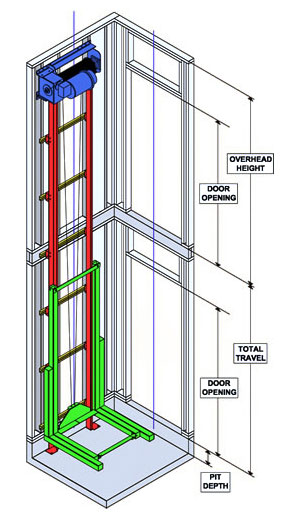
Traction elevators use a motor-driven sheave and steel ropes (with a counterweight) to move the car. They are the standard choice in modern residential buildings.
Advantages
- Lower maintenance cost — no hydraulic oil to change, no seals or valves to wear; simpler long-term upkeep
- Quieter operation — no noisy pump unit; smoother and more pleasant rides
- More durable and reliable — fewer wear-prone components under pressure, longer trouble-free service
- Energy-efficient — the counterweight balances the car, reducing motor load
- Suitable for higher floors — handles 3+ storeys with ease, with faster travel speeds
- Machine-room-less (MRL) options — saves construction cost and space
- Compact footprint — fits into spaces as little as 1 m², with no pit required
Disadvantages
- Higher initial cost — starting from $8,500, roughly 2–3× the price of a hydraulic unit
- Brake and rope inspection needed — safety-critical components that require professional annual checks
> Recommendation: If your budget allows, traction is the more cost-effective choice over the long term — cheaper to maintain, quieter, and more reliable. It is especially recommended for homes above 3 storeys.
6. Installation: Designed for Easy Assembly
A common worry for buyers is installation. With HAOKUN, this is one less thing to worry about.
Every elevator we export is designed with installation in mind from day one. Our engineers consider assembly, alignment, and on-site work during the design phase itself, so that what reaches your home is as close to ready-to-use as possible.
What Your Elevator Looks Like When It Arrives
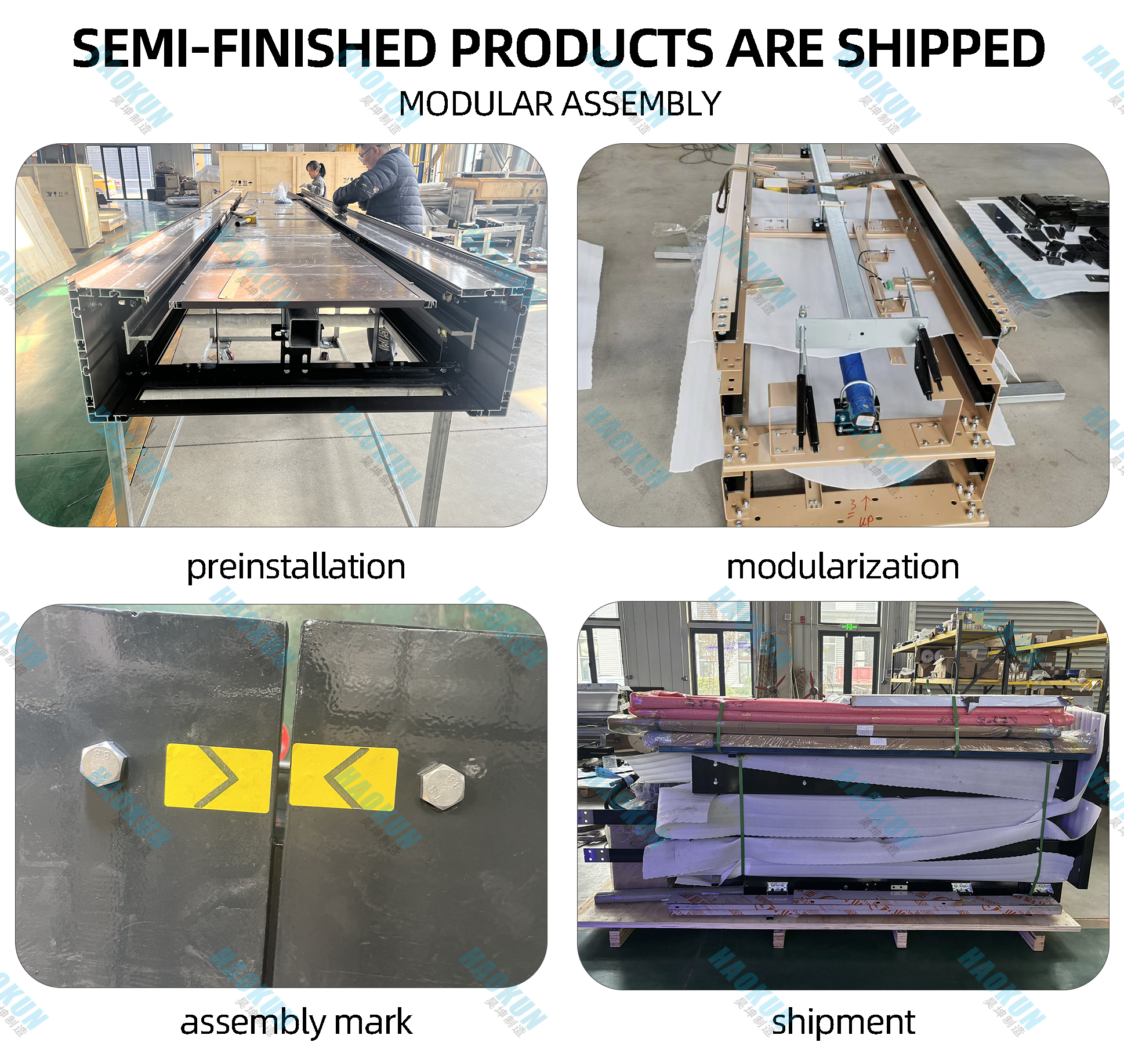
When your HAOKUN elevator is delivered, most of the work has already been done at our factory:
- Most parts pre-assembled — components arrive factory-assembled and tested, ready to be positioned and connected
- Most guide rails pre-assembled — the rails are joined and aligned at our factory, so on-site work is simply positioning and fixing them into place
- Modular design — major sections are delivered as complete modules that connect together quickly and logically
- Tested before shipping — every elevator is factory-tested, so what you receive is a proven, working system
- Compact footprint — the complete system fits into spaces as little as 1 m², with no pit required for installation
The result: with the basic information and the detailed installation manual we provide, most customers find installation remarkably simple and fast. The pre-assembled design saves a significant amount of installation time on site.
Professional On-Site Guidance Available
If you prefer — or if your project has special requirements — our professional installation team can travel to your site to guide and supervise the installation. The specific cost depends on the destination country, travel distance, and the scope of the project; we calculate it on a case-by-case basis and include it clearly in your quotation.
> With HAOKUN, installation is not a barrier — it is one of the easiest parts of your project.
7. Which Should You Choose?
| Your Situation | Recommended Drive |
|---|---|
| 2–3 storey home, budget-conscious | Hydraulic (from $3,000) |
| 3+ storey home | Traction (from $8,500) |
| Quiet operation is a priority | Traction |
| Low long-term maintenance is a priority | Traction |
| Heavy loads, simple technology | Hydraulic (2–3 storeys only) |
Summary: For 2–3 storey homes, hydraulic gives you the best value for money. For anything taller — or if you want the lowest maintenance burden, quietest ride, and longest trouble-free service — choose traction. While traction costs more upfront, its cheaper maintenance and higher durability make it the better investment over the life of the elevator.
8. Budgeting for Your Total Project
When pricing your home elevator project, add up:
- Drive unit — hydraulic from $3,000 / traction from $8,500
- Enclosure (if needed) — from $200/m², indoor or outdoor specification
- Shipping — depends on destination and whether freight is included
- Installation — fast and simple thanks to factory pre-assembly; optional on-site guidance by our professional team (cost calculated per country)
- Permits, electrical work, certification — varies by country
Always confirm three things with your supplier:
- ✅ Do I need an enclosure, or is a drive unit enough?
- ✅ If enclosure — indoor or outdoor?
- ✅ Which drive structure fits my floors, budget, and maintenance expectations?
Get a Detailed Quotation
HAOKUN supplies hydraulic and traction drive units from $3,000 and $8,500 respectively, plus enclosures from $200/m² in indoor and outdoor forms. With 20+ years of manufacturing and export experience, we provide:
- Customized solutions with free 3D design drawings
- Full CE and ISO 9001 certification
- Complete export documentation
- Technical support throughout installation
Contact HAOKUN:
- Phone: +86 132 1058 1168
- Email: sales01@haokungroups.com
- Website: haokungroups.com